You open your closet the morning of the wedding and hate everything you see. The dress you bought three months ago looked cute in the bedroom mirror but now feels too short, too tight, or just wrong for an outdoor ceremony in July. You end up wearing something you’ve worn to four other weddings. Everyone notices.
This scenario repeats every wedding season because most “wedding guest dress inspo” comes from Instagram influencers who wore that dress for exactly 47 photos and returned it. Real wedding attendance requires a dress that survives dancing, dinner, weather shifts, and a second wear without looking like a costume. This article walks through what actually works — fabric choice, fit strategy, venue matching, and the hidden costs of “cheap chic.”
Why Most Wedding Guest Dresses Fail After One Wear
The fundamental problem with wedding guest dressing is that you’re buying for a single event but paying as if it’s an investment piece. A $68 dress from a fast-fashion site looks great in the listing photo. The polyester blend doesn’t breathe. The zipper catches. The lining is so thin you can see your phone through the pocket. After one wash, the color fades and the hem unravels.
This happens because the dress was designed for a photo, not for a 10-hour day. The fabric weight, seam allowance, and finishing details are all optimized for the lowest possible price point. You’re not buying a dress — you’re buying a disposable costume.
The real cost of a cheap wedding guest dress isn’t the price tag. It’s the stress of worrying if it’ll hold up, the embarrassment of a wardrobe malfunction mid-reception, and the fact that you’ll have to buy another one next month. A $150 dress you wear five times costs $30 per wear. A $60 dress you wear once costs $60 per wear. The math is clear.
Look for these three red flags when shopping:
- 100% polyester with no lining — will cling, wrinkle, and make you sweat
- Single-layer fabric on a light color — you’ll need a slip, adding $15 to the cost
- Dry clean only on a dress under $100 — the cleaning cost will be 20% of the dress price per wear
The Venue Dictates the Dress — Here’s the Matching System
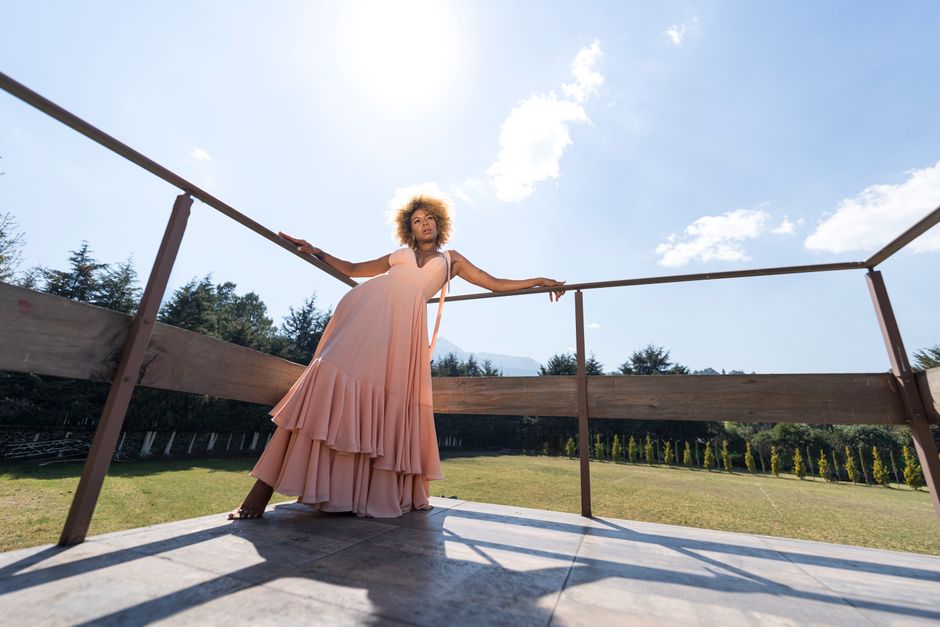
Most wedding guest advice starts with “check the dress code” and stops there. But ‘cocktail attire’ at a beach venue is completely different from ‘cocktail attire’ at a ballroom. The dress code is only half the equation. The venue’s physical environment determines whether a dress works in practice.
Outdoor summer wedding (garden, vineyard, beach): You need natural fibers. Linen, cotton, or Tencel. The Reformation ‘Mira’ dress in linen ($218) breathes well and has a relaxed fit that doesn’t show sweat. Avoid anything with a tight waistband — you’ll be standing for photos and sitting for dinner. A-line silhouettes in midi length work best. The Lulus ‘Good Vibes Only’ maxi dress ($68) is a budget option but runs sheer in sunlight. Size up and wear nude seamless underwear.
Indoor evening wedding (hotel ballroom, banquet hall): This is where you can wear silk or satin. The ASTR the Label ‘Lydia’ satin midi dress ($148) has a built-in slip and hits at the right length for most heights. Darker colors read as formal. Navy, emerald, burgundy. Avoid black unless the invitation specifies black-tie — you risk looking like you’re attending a funeral.
Barn or rustic venue: Do not wear heels. They sink into grass or gravel. A midi dress with block heels or dressy flats. The Hill House Home ‘Ellie’ Nap Dress ($195) in a solid color works for daytime barn weddings. For evening, the Farm Rio printed midi dress ($198) has enough structure to look intentional without being overdressed.
| Venue Type | Best Fabric | Length | Example Dress | Price |
|---|---|---|---|---|
| Beach / Garden | Linen, cotton, Tencel | Midi or maxi | Reformation ‘Mira’ | $218 |
| Ballroom / Hotel | Silk, satin, crepe | Midi or knee | ASTR the Label ‘Lydia’ | $148 |
| Barn / Rustic | Cotton, linen blend | Midi | Farm Rio printed midi | $198 |
| Backyard / Casual | Cotton poplin, jersey | Mini or midi | Hill House ‘Ellie’ | $195 |
Three Fit Issues That Ruin Every Dress (And How to Fix Them)
You can buy the most beautiful dress in the world. If it doesn’t fit your specific body, it will look like a costume. Three fit problems kill wedding guest dresses more than anything else.
Problem 1: The bust doesn’t match. If you’re between cup sizes, a structured bodice will either gap at the top or squeeze your chest. Solution: Look for dresses with adjustable straps or a smocked back. The Lulus ‘You’re a Catch’ satin cowl neck dress ($78) has a forgiving drape that works for A through D cups. For larger chests, the Baltic Born ‘Maren’ dress ($89) has a built-in shelf bra and higher neckline.
Problem 2: The waist hits at the wrong spot. Empire waists make most people look pregnant. Natural waistlines hit differently depending on your torso length. Solution: Buy a dress with a defined waist seam or add a belt. The Everlane ‘The Day Dress’ ($98) comes in three lengths and has a waist seam that actually sits at your waist, not your ribs.
Problem 3: The hem is a gamble. Mini dresses that look fine in the store can become scandalous when you sit down. Maxi dresses can trip you on stairs. Solution: Measure from your natural waist to the floor while sitting. A midi dress should hit 2-3 inches below the knee. The Quince stretch silk midi dress ($89.90) has a hem that falls at a safe length for most heights 5’4″ to 5’8″.
When Renting Beats Buying — The Cost Analysis
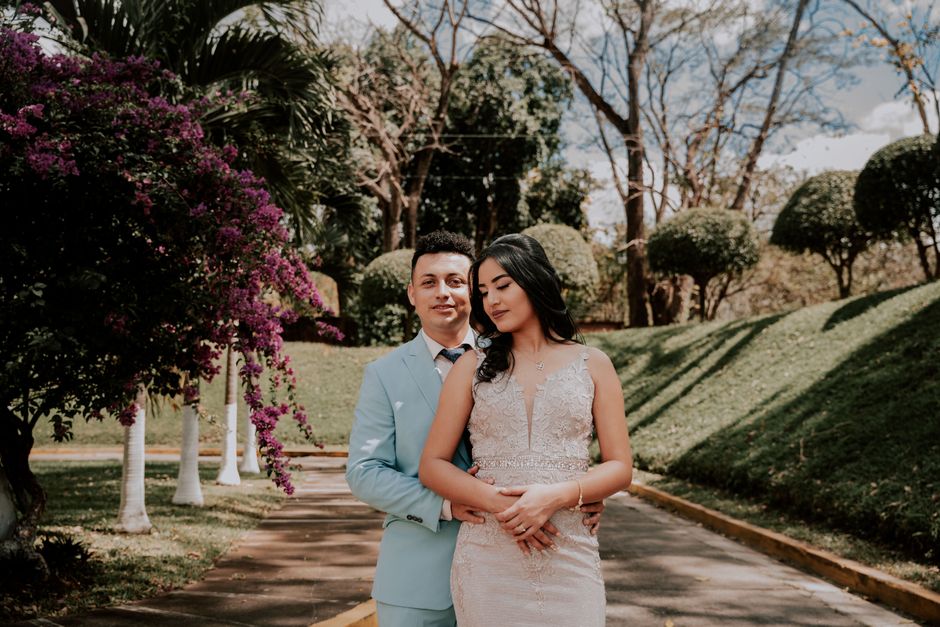
If you have three weddings in one month, buying three dresses is financially stupid. You’ll spend $400+ and wear each once. Renting solves this, but only if you understand the tradeoffs.
Rent the Runway charges $30-$80 per dress rental depending on the designer level. A single rental of a Shoshanna cocktail dress ($45) costs less than buying a cheap version that falls apart. The catch: you must order backup sizes (two sizes for $15 extra), and you’re liable for damage up to the retail price. One red wine spill and you owe $250.
Renting makes sense when: you need a specific dress code (black tie, formal) that you don’t own, you’re between sizes, or you want to wear a designer piece you can’t afford to buy.
Buying makes sense when: you wear the same size consistently, the wedding is casual enough that you can rewear the dress, or you find a dress under $100 that passes the fabric and fit checks above.
Nuuly ($98/month for six items) is a better deal for multiple weddings. You can rent a dress, a coat, and accessories in one shipment. Return everything and start fresh next month. Over a three-month wedding season, that’s $294 for up to 18 items. Compare that to buying even two mid-range dresses at $150 each.
Color and Pattern Rules That Actually Matter
The “don’t wear white” rule is obvious. But there are subtler color traps that make you look out of place or disrespectful.
Do not wear red to an Indian or Chinese wedding. Red is the bride’s color in many South Asian and East Asian traditions. You will look like you’re competing. Stick to jewel tones — emerald, sapphire, amethyst.
Pastels read as daytime only. A pale pink or baby blue dress at a 6 PM ballroom wedding looks like you forgot the event time. Save pastels for garden or brunch weddings. Evening calls for saturated colors or metallics.
Floral prints are fine but size matters. Small, dense florals (like a Liberty print) read as casual and work for daytime. Large, sparse florals read as boho and can clash with formal venues. The Ulla Johnson ‘Zadie’ dress ($495) uses a medium-scale floral that looks intentional at any venue. The budget alternative: the Lulus ‘Dreamy Daze’ floral midi ($72) has a similar scale but uses polyester — check the lining.
Sequins and metallics require a specific dress code. If the invitation says “black tie optional” or “formal,” a sequin dress works. If it says “cocktail” or “semi-formal,” sequins look like you’re going to a club. The Mac Duggal sequin midi dresses ($198-$298) are a safe bet for formal events. For cocktail, choose a dress with subtle metallic thread rather than full sequin coverage.
What to Avoid at All Costs — The Dress Buyer’s Blacklist
After looking at hundreds of wedding guest dresses across every price point, these are the patterns that consistently fail. Do not buy these.
Sheer panels without lining. The “illusion” neckline that’s actually just mesh. It always looks cheap. The mesh yellows after one wash. If you want a sheer effect, buy a dress with actual sheer fabric layered over a solid underlay. The Adrianna Papell ‘Beaded Illusion’ dress ($248) does this correctly. The $40 Amazon knockoff does not.
Dresses with built-in shapewear. They fit perfectly in the store but compress your stomach so much that eating dinner becomes uncomfortable. You’ll spend the reception holding your breath. Buy a separate shapewear piece if you need smoothing — at least you can take it off in the bathroom.
Anything with a train. Unless you are the bride, you do not need a train. It will get stepped on, dirty, and tangled in chair legs. A floor-length dress without a train is fine. A dress with even a 6-inch train will annoy you by the first dance.
Dry clean only dresses under $150. The cleaning cost ($12-20 per wear) adds up fast. If the dress costs $120 and you wear it twice with cleaning, that’s $80 per wear. Buy machine washable or hand washable fabrics. Cotton, linen, and most polyesters can be washed on delicate and hung to dry.
The Three-Dress Wardrobe That Covers Any Wedding Season
If you attend more than two weddings a year, stop buying individual dresses for each event. Build a three-dress rotation that covers every possible scenario.
Dress 1: The midi cocktail dress in a neutral color. Navy, charcoal, or olive. Satin or crepe. Works for evening weddings, indoor venues, and formal dress codes. The Quince stretch silk midi dress ($89.90) is the best value here. You can dress it up with heels and jewelry or down with flats and a denim jacket for a rehearsal dinner.
Dress 2: The printed midi for daytime. Floral or abstract print. Cotton or linen. Works for garden, beach, backyard, and barn weddings. The Farm Rio printed midi ($198) or the Lulus ‘Good Vibes Only’ maxi ($68) if you’re on a budget. Pair with wedge sandals and a straw bag.
Dress 3: The black tie option. Full-length gown in a solid color. Velvet for winter, silk for summer. The Adrianna Papell ‘Long Sleeve Gown’ ($298) in emerald or burgundy works year-round. Rent this if you only attend one formal wedding per year.
Total investment: $448-$586 for three dresses you can mix across a dozen weddings. That’s $37-$49 per wedding if you attend 12. Compare that to buying a new $80 dress for each event and you save $500+ over three years.
That morning-of-the-wedding panic where you hate everything in your closet? It disappears when you know exactly which dress goes with which venue. No more last-minute store runs. No more wearing the same black dress to every event because it’s the only thing that fits. The inspo isn’t about finding one perfect dress. It’s about having the right three.