I own twelve blazers. Four are standard fit. Eight are deliberately too big. And honestly? The oversized ones get worn four times as often. The trick isn’t just buying a bigger jacket — it’s knowing the exact proportions, fabric weights, and layering moves that make it look intentional instead of like you grabbed your dad’s suit from 1987.
Here’s what I’ve learned after years of trial and error (and a few truly bad outfit photos).
1. The Shoulder Drop Is Everything
Most people ruin an oversized blazer by picking one with shoulders that drop too far. You want the shoulder seam to sit 1.5 to 2 inches past your natural shoulder. Not four. Not six.
I measure this before buying. If I’m shopping vintage, I look for blazers with a shoulder width of 20-21 inches for my 17-inch natural shoulder. That sweet spot gives the relaxed, slouchy silhouette without making you look like a kid playing dress-up.
For new blazers, I’ve had good luck with:
- Acne Studios — their “Parker” blazer has a 20.5-inch shoulder in size 48. Retails around $650, but I’ve found them on Grailed for $250.
- Levi’s Vintage Clothing — the 1990s reissue blazers run roomy. Check the tag for the year.
- Zara — hit or miss, but their “oversized fit” blazers from fall 2026 had a 19.5-inch shoulder. Decent for under $100.
2. Fabric Weight Determines the Vibe
Streetwear blazers need structure. A flimsy cotton blazer will wrinkle into a sad mess by noon. You want something that holds its shape but still drapes.
My rule: wool blends between 280g and 350g. Lighter than 250g and it’s too floppy. Heavier than 400g and it’s a winter coat, not a blazer.
For spring and summer, I go with linen-cotton blends. The Mango Linen Blazer ($120) has a 55% linen, 45% cotton weave that breathes but doesn’t collapse. For fall, the COS Wool-Blend Blazer ($250) at 320g is my go-to. It drapes like a dream and doesn’t need dry cleaning after every wear.
Avoid anything with polyester as the primary fabric. It traps heat and looks cheap under direct light. You’ll sweat through it by lunch.
3. Pants Proportion: The Non-Negotiable Rule
Here’s where most people fail. They pair an oversized blazer with skinny jeans. The result? A triangle silhouette where your shoulders look massive and your legs look like twigs. It’s not cool. It’s comical.
The fix is simple: match volume with volume.
| Blazer Fit | Pants That Work | Pants to Avoid |
|---|---|---|
| Oversized (shoulder drop 1.5-2″) | Baggy jeans, wide-leg trousers, cargo pants | Skinny jeans, slim chinos, leggings |
| Relaxed (shoulder drop 0.5-1″) | Straight-leg jeans, relaxed chinos | Tapered joggers, tight shorts |
My personal combo: the oversized blazer with baggy 501 Levi’s ($98) or Carhartt WIP Double Knee pants ($140). Both have enough room in the leg to balance the top. Cuff the hem once to show your sneakers.
4. Sneakers: Chunky or Sleek, No Middle Ground
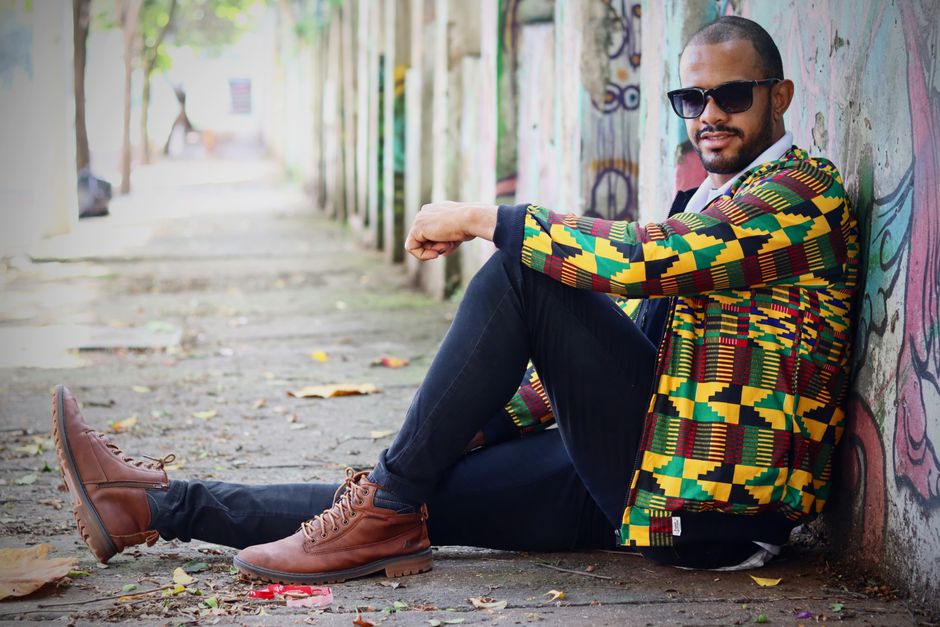
I’ve tested this extensively. The sneaker choice makes or breaks the outfit.
Two options that work:
- Chunky dad sneakers — think New Balance 990v6 ($190), ASICS Gel-Kayano 14 ($160), or Hoka Clifton 9 ($145). These add weight to the lower half, grounding the oversized top. The visual balance is perfect.
- Minimalist low-tops — Common Projects Achilles ($440) or Veja Campo ($150). These work when you want the blazer to be the loudest piece. Keep everything else quiet.
What doesn’t work? High-top basketball sneakers with an oversized blazer. The blazer already adds bulk to your upper body. Chunky high-tops make you look square-shaped. I made this mistake with some Jordan 1s and looked like a walking cinder block.
5. Layering Underneath: Keep It Thin
This counterintuitive rule trips up everyone. An oversized blazer has more room inside, so you think you can layer a hoodie under it. Don’t.
Here’s what happens: the blazer sleeves ride up. The shoulders get bunched. You lose the clean drape that makes the oversized look work.
Stick to thin layers only:
- A plain white t-shirt (Uniqlo Supima Cotton, $15)
- A thin cashmere crewneck (I use the Uniqlo Cashmere, $80)
- A silk or viscose button-up (no thicker than a dress shirt)
If you absolutely need warmth, wear the hoodie over the blazer. Yes, really. It works if the hoodie is oversized too. I do this with a Champion Reverse Weave hoodie ($70) in black over a grey wool blazer. It’s a 2026 move that actually looks intentional.
6. The One Mistake That Kills the Look
I see this constantly. Someone buys an oversized blazer, then buttons it up.
Don’t. Ever.
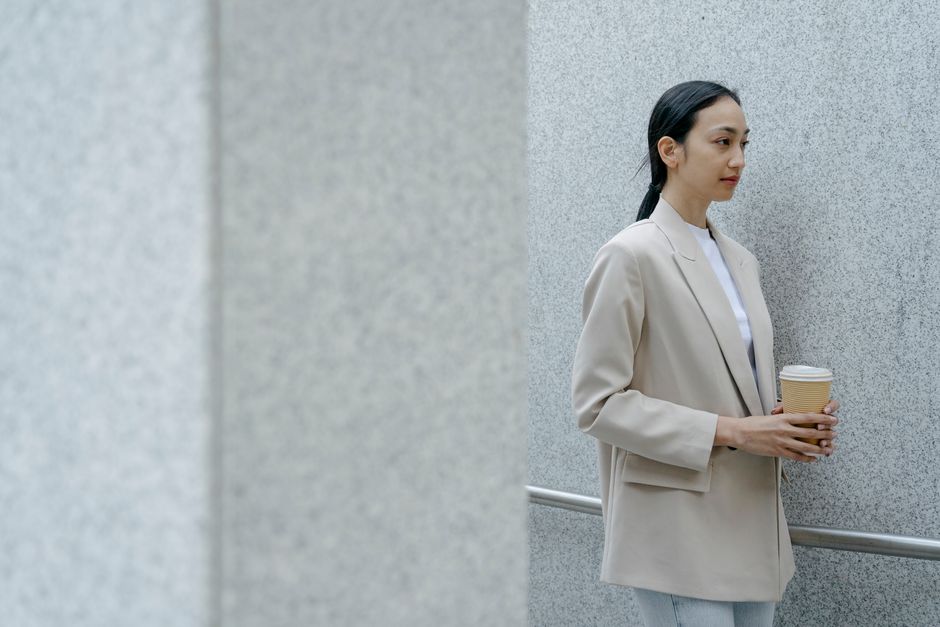
An oversized blazer is designed to be worn open. The whole point is the relaxed, unbuttoned drape. Buttoning it pulls the fabric tight across your chest and creates weird tension lines. You lose the silhouette instantly.
If you want a blazer you can button, buy a regular fit. The two are different tools.
Also: never roll the sleeves. I see influencers doing this. It looks affected. Let the sleeves fall naturally long — 1 to 2 inches past your wrist bone is correct. If they’re too long, have them hemmed. Don’t cuff them.
7. When NOT to Wear an Oversized Blazer
This is the section most articles skip. I’ll be blunt.
Don’t wear an oversized blazer if:
- You’re under 5’7″ — the proportions can swamp you. If you’re shorter, look for cropped oversized blazers (hem hits at the hip, not below). The Topshop Cropped Blazer ($90) is a good option for shorter frames.
- You need to look formal — an oversized blazer at a wedding or job interview reads as sloppy. Keep one regular-fit blazer for those occasions.
- You live in a hot climate — even lightweight linen blazers get sweaty in 85°F+ weather. Save it for evenings or air-conditioned spaces.
Bottom line: An oversized blazer is a statement piece, not a wardrobe staple. Own one or two, not five. Wear them open, pair them with volume-balanced pants, and keep the rest of the outfit simple. That’s the formula.