You know the moment: the wardrobe is full, but you are late and reach for the same pair of jeans again. They fit at the waist, work with flats or boots, and look better after a full day than they did on the hanger. That repeat wear is the real test of timeless denim. A classic pair is not defined by a label or a trend forecast. It earns its place by solving the same dressing problem across seasons, settings, and small changes in your body.
Start with the job your jeans must do
The most reliable denim purchase starts with a use case, not a wash name. Decide where the jeans will work before you decide how they should look. This simple change cuts through much of the noise in a crowded denim section.
The three-use test removes most bad options
Before buying, name three outfits you can wear within the next two weeks. A pair should work with a tucked shirt, a short knit, and a longer jacket or coat. If the cut only works with one specific shoe or top, it is a styling project rather than a dependable wardrobe foundation. The strongest timeless denim usually supports at least three shoe shapes: a flat, a low boot, and a clean sneaker.
Measure repeat wear instead of chasing novelty
Ask how often the jeans will leave the house. A pair worn twice a week for a year delivers about 100 wears. A dramatic trend cut worn four times delivers less value even if the initial price is lower. The right question is not, “Will this silhouette look current?” It is, “Can I build a normal Tuesday outfit around it without extra effort?” A straight leg, moderate rise, and controlled wash usually win this test because they do not force the rest of the outfit to follow a short-lived shape.
Verdict: Buy the pair that supports your existing clothes. Timeless denim should reduce decisions, not create a new styling assignment.
A straight leg still wins the cost-per-wear test

For a first or replacement pair, a straight leg remains the safest investment because it balances structure, movement, and shoe flexibility. The table below compares recognizable options using reference prices and listed measurements. Prices change by wash, size, sale status, retailer, and state tax, so treat them as buying benchmarks rather than promises.
Compare the cut before comparing the label
| Jean | Cut and fabric | Reference price | Best use |
|---|---|---|---|
| Levi’s 501 Original | Classic straight leg; rigid or low-stretch denim; multiple inseams | About $110 list price | One-pair wardrobe with a traditional shape |
| Madewell The Perfect Vintage Jean | High rise; 11 1/4-inch rise; 15-inch straight leg opening; comfort stretch | About $138 list price | Polished everyday outfits with a softer feel |
| Everlane Way-High Jean | High rise; rigid-look denim with light comfort | About $98 | Clean, minimal outfits and tucked tops |
| AGOLDE 90s Pinch Waist | High waist; relaxed straight leg; firm denim | About $198 | A fuller vintage silhouette with a defined waist |
| Nudie Jeans Breezy Britt | Relaxed straight fit; structured cotton denim | About $200 | Long-term wear and repair-friendly denim |
Pick the winner for your actual wardrobe
The Levi’s 501 Original is my clear first-buy choice for someone who wants one adaptable pair at a moderate price. Its straight leg works with slim, oversized, and cropped layers. Choose the Madewell The Perfect Vintage Jean when you want a higher rise and more immediate comfort. The AGOLDE 90s Pinch Waist earns its higher cost only if you will use the fuller shape often. A higher price does not automatically create better cost per wear.
For a narrow capsule wardrobe, choose the darkest blue straight pair that fits comfortably without constant belt adjustment. For a softer, more relaxed closet, the Madewell cut is the stronger pick. The winning choice is the one with the lowest styling friction.
Check denim quality before the fitting-room mirror
A flattering first impression can hide weak fabric, poor construction, or a fit that will become uncomfortable after an hour. Quality checks take less than five minutes and reveal more than a product description full of vague claims. This is where a consumer-minded denim decision beats a trend-led one.
Read the fiber label for recovery and weight
Start with the fiber content. Cotton provides the body and familiar denim feel. A small amount of elastane can improve comfort, but too much stretch often creates a soft first try-on followed by baggy knees and a loose waistband. For a classic pair, look for mostly cotton with zero to about 2 percent elastane. If the jeans contain more stretch, sit, stand, and walk for several minutes before deciding. A fabric that already feels loose at the knee is unlikely to become more supportive with wear.
Weight matters too. Lightweight denim can feel easy in warm weather, but it may show pocket outlines and lose shape sooner. Medium-weight denim usually gives the best balance for a year-round wardrobe. The fabric should feel firm enough to hold a crease but not so stiff that you cannot bend your knees comfortably.
Inspect the stress points and the inside finish
Turn the jeans inside out. Check the stitching at the crotch, pocket corners, belt loops, and hem. Even stitches with no loose threads suggest better control during production. Pull the waistband gently. It should recover rather than stay stretched. Look at the fly, too. A zipper that waves or buttons that strain before you move are warning signs, not minor details.
Then test the actual fit in motion. Sit on a chair, climb a step, and reach toward your shoes. Watch for a waistband that cuts into your stomach, a crotch that pulls, or a back rise that drops. A pair can look excellent while standing still and fail every practical test. Timeless denim needs to survive movement, not only a mirror check.
Three fitting mistakes cost more than the jeans

The most expensive denim mistakes are rarely dramatic. They are small compromises repeated until the jeans stop being worn.
Use this fitting sequence in the changing room
- Check the waistband first. Fasten the jeans without holding your breath. The waistband should sit securely with no sharp pressure and no large gap at the back.
- Check the rise while seated. Sit for two minutes. If the front digs in or the back falls too low, a different rise will help more than a larger size.
- Check the thigh and knee line. Horizontal pulling at the hips means the cut is too narrow or the size is too small. Extra folds behind the knee may signal excess fabric.
- Check the hem with your intended shoes. A 28-inch inseam can look cropped with flats and full-length with boots. Do not judge length barefoot if you rarely wear the jeans that way.
Know when not to buy the pair
Leave the jeans behind if the fit requires a belt to stay up, if the pockets gape, or if the waistband feels tolerable only while standing. Avoid buying a size that fits one area by creating major strain in another. Tailoring can shorten a hem or adjust a waistband, but it cannot easily repair a wrong rise, a tight hip, or a badly shaped knee.
Also skip a final-sale pair when the fabric, rise, or inseam is uncertain. A discount does not protect you from a closet orphan. The better bargain is a pair you will wear 80 times, not a pair marked down 60 percent and left untouched.
Choose stretch only when movement earns it
My strongest recommendation is simple: choose low-stretch denim for longevity and moderate stretch for comfort, but do not buy maximum stretch as a shortcut to fit. The fabric should support the way you move, not hide an inaccurate size.
Choose firm denim for shape and long-term structure
Levi’s 501 Original is the clearest choice for someone who wants a recognizable straight jean that holds its outline. Its rigid and low-stretch versions may feel less forgiving at first, so use the sitting and walking test before buying. AGOLDE 90s Pinch Waist is another strong option for a high-rise, fuller silhouette, but its roughly $198 price only makes sense if you regularly wear relaxed denim. Both styles reward a precise waist and hip fit because the fabric is part of the shape.
Choose comfort stretch when your day demands it
Madewell The Perfect Vintage Jean is the better pick for long commutes, desk days, and wardrobes that need a softer break-in period. Its high rise and comfort-stretch fabric give more ease without turning the leg into a clingy skinny cut. Everlane Way-High Jean suits a cleaner, minimal look when you want a high rise and a less dramatic leg line. My verdict: choose Madewell for immediate comfort, Everlane for a restrained silhouette, and Levi’s for the most flexible long-term starting point.
Do not pay more for a premium label when the fiber blend feels weak or the waist already slips. Fabric performance matters more than the brand name printed on the patch.
Timeless denim questions with clear answers
Is dark denim more versatile than light denim?
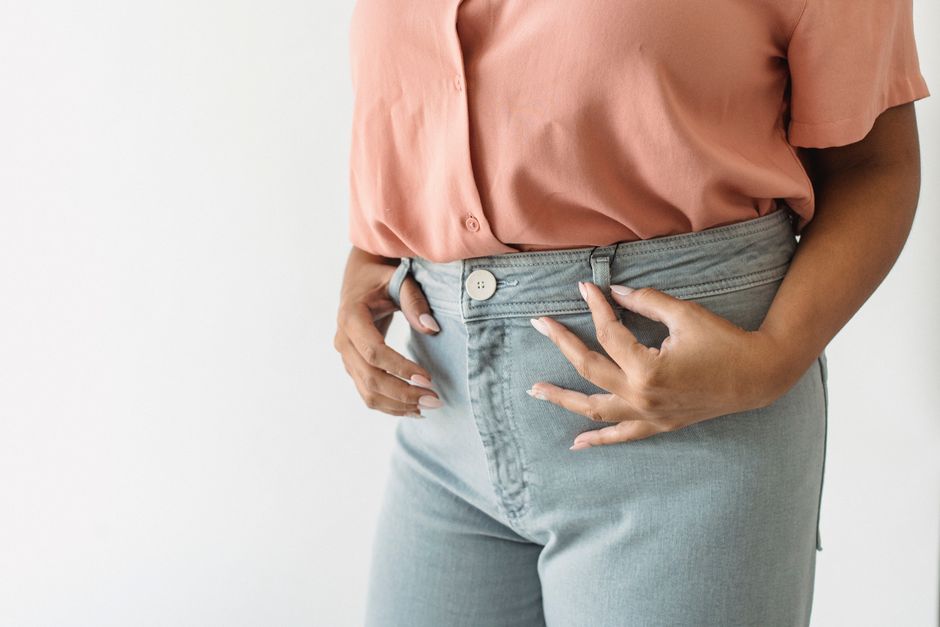
Yes, for a first pair. A deep indigo wash looks credible with a blazer, fine knit, white shirt, or casual sweatshirt. It also hides minor marks and moves more easily between daytime and evening. Light blue denim has a relaxed appeal, but it creates a stronger seasonal signal. Buy light wash second, after the darker pair has proved useful.
Should you buy vintage jeans for a more lasting style?
Buy vintage only when you can verify the measurements and fabric condition. Older denim can have excellent character, but waist sizing, shrinkage, and hidden repairs vary widely. Ask for the actual waistband, rise, thigh, inseam, and hem measurements. A vintage pair with a familiar straight cut can be a smart purchase; a rare cut that fits poorly is not a good investment.
Which pair should become the first purchase?
Choose the Levi’s 501 Original in a dark or medium blue wash, with the inseam that reaches the top of your shoe without pooling. It gives the strongest mix of price, recognition, repair access, and outfit range. If rigid denim feels uncomfortable after a real movement test, choose the Madewell The Perfect Vintage Jean instead. For most wardrobes, that is the clearest path to timeless denim: one straight, versatile pair first, then a second pair only when it fills a real gap.