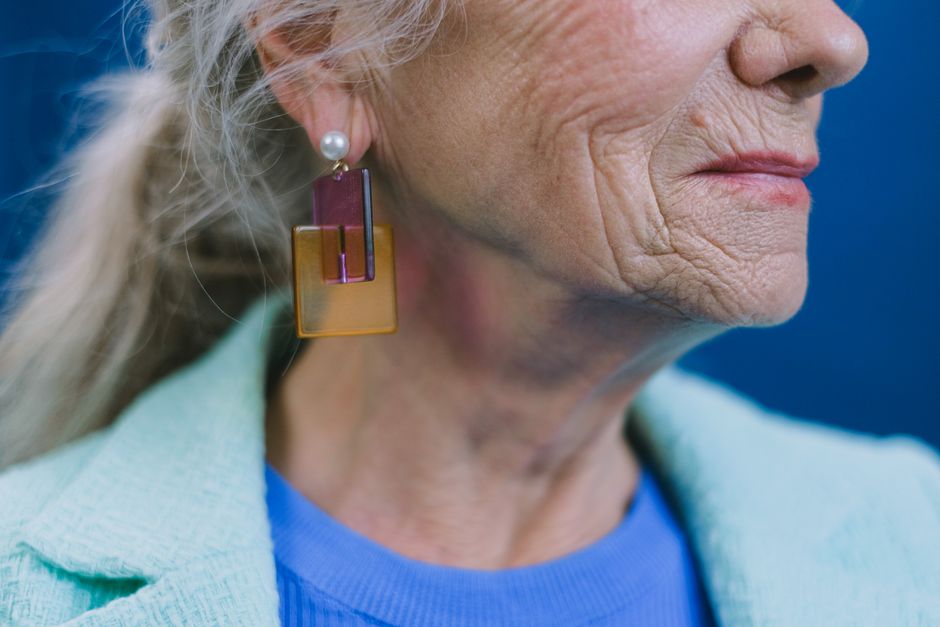
How do you wear a sheer shirt under a sweater without looking bulky, fussy, or dressed for a costume party? The answer is not more accessories. It is control: one visible sheer layer, one stable knit, and a clear shape at the waist, cuff, and neckline.
Why layering sheer shirts under knits works
The cleanest version of this outfit uses contrast. A sheer shirt adds light, movement, and a small amount of skin-toned depth. A knit adds weight and structure. Put together, they solve a basic dressing problem: how to make a familiar sweater outfit look intentional without buying an entirely new wardrobe.
Use texture contrast, not decoration
Sheer fabric catches light and shows the outline of the layer below. Knit fabric absorbs light and creates visual mass. That difference gives the outfit interest before you add jewelry, a print, or a dramatic shoe. It also explains why the look can turn messy quickly. Two sheer layers compete. A fuzzy sweater over a ruffled sheer blouse can create too much surface detail. A thick shirt collar under a tight crew neck adds a lump that reads as poor fit rather than styling.
The best starting point is a smooth, lightweight shirt under a medium-weight knit. Think fine mesh, chiffon, georgette, or thin Tencel fabric. Avoid stiff organza for a first attempt because it resists the sweater and creates hard folds.
Keep one area visually open
Pick one focal point: the collar, the cuffs, the hem, or the sheer body of the shirt. Showing all four at once makes the outfit look busy. A crew-neck sweater with a small collar and two inches of cuff is enough. If the shirt is long, let the hem show only when the knit stops at the high hip. The core rule is simple: one sheer element should lead, and the knit should support it.
Verdict: this combination works best when the fabrics contrast but the shapes stay quiet. Texture supplies the interest; extra decoration is usually unnecessary.
Which sheer shirts and knits pair cleanly?
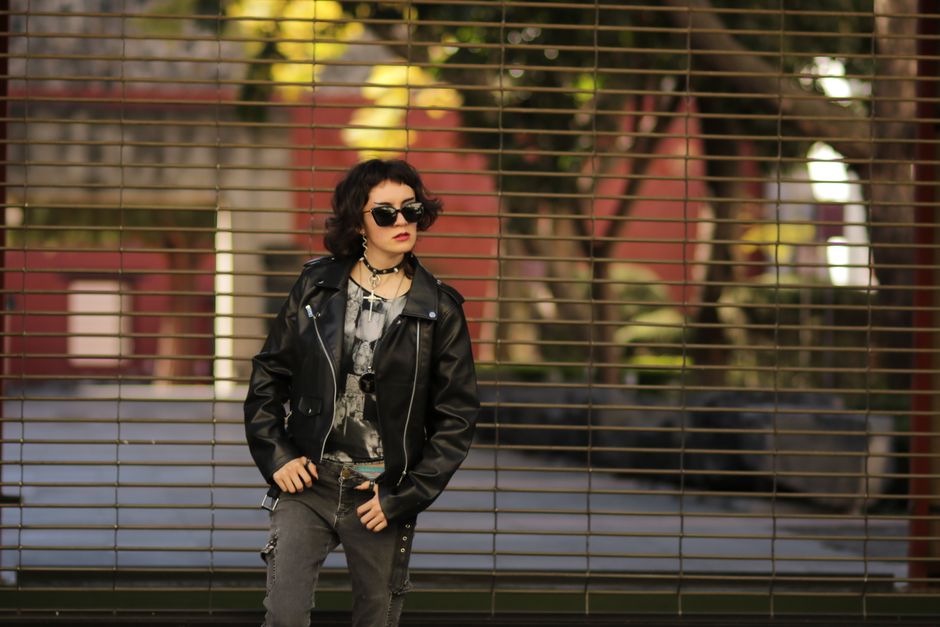
Price matters here because layering pieces are easy to overbuy. You do not need a luxury sweater to create the effect, but you do need a shirt with a controlled neckline and a knit that can sit over it without pulling. These current examples show the useful differences.
Compare weight, neckline, and cost first
| Piece | Useful details | Best pairing | Approximate price |
|---|---|---|---|
| COS Sheer Pintucked Shirt | Sheer fabric, pintuck detail, relaxed shirt shape | Plain black or charcoal crew neck | $129 |
| Uniqlo Merino Sweater | 100% extra-fine merino, 19.5-micron wool, machine washable | White or pale sheer shirt with a narrow collar | $49.90 |
| Quince Mongolian Cashmere Crewneck | 100% Grade-A Mongolian cashmere, lightweight crew-neck profile | Black, ivory, or muted blue sheer shirt | $50 |
| COS Sheer Shirt | 85% Tencel Lyocell and 15% recycled polyester, gauzy finish | Relaxed knit with clean shoulder seams | $135 |
The best value is the Uniqlo Merino Sweater because its thin, smooth knit does not fight the shirt underneath. The Quince cashmere crew is softer and more polished, but its low current price does not remove the need for careful washing. Cashmere can still pill when a rough shirt seam rubs against it.
The COS options make sense when the shirt is the main event. Their price is harder to justify for a basic layering piece, but the cut gives you more visible design when the sweater is removed. Do not buy a sheer blouse with oversized sleeves if you plan to wear a fitted knit over it; the extra fabric will bunch at the upper arm and underarm.
Bottom line: buy the Uniqlo Merino Sweater for the most reliable first outfit, the Quince cashmere crew for a softer upgrade, and COS only when the shirt itself has a shape you will wear alone.
How to layer a sheer shirt under a knit without bunching
The best method takes five minutes and requires no special styling trick. Put the shirt on first, then test the knit while standing, sitting, and raising both arms. If the layers only look smooth while you stand still, the outfit is not finished.
- Start with the right base. Wear a smooth camisole or fitted tank in a tone close to your skin or the shirt. A high-contrast bra can become the main visual feature, which is rarely the goal for daytime dressing.
- Flatten the shoulder area. Pull the shirt shoulder seams into place before adding the knit. Check that the collar sits evenly and that both sleeves have the same amount of fabric showing.
- Choose a knit with room at the armhole. You need about one finger of space between the shirt sleeve and the sweater sleeve. A tight armhole compresses the sheer fabric into ridges.
- Control the cuffs. Show one to two inches of the sheer cuff. More than that can look like a second sleeve unless the cuff is very plain. Roll the knit sleeve once if the shirt sleeve keeps sliding down.
- Set the hem deliberately. Either hide the shirt hem completely or show a clean two-to-four-inch strip. A random, uneven tail looks accidental. A straight hem works best with trousers; a curved shirt hem works better with jeans or a straight skirt.
- Remove one competing detail. If the shirt has a bow, ruffle, or strong print, skip the necklace. If the knit has a cable texture, keep the shirt plain. This is the three-point fit test: neckline, cuffs, and hem must look chosen rather than exposed by accident.
Steam the shirt before layering. Pressing the shirt flat is more useful than sizing up the sweater. Also check the back view. Extra fabric often collects between the shoulder blades even when the front looks smooth.
Verdict: fit the layers at the shoulders and arms first. The waist can remain relaxed, but the upper body needs a clean stack.
What makes a sheer-and-knit outfit look overdone?

Most failed versions have one of three problems: too many focal points, too much fabric, or a color contrast that feels accidental. The fix is usually subtraction.
Why does the neckline look crowded?
A tall collar, large shirt bow, and chunky crew neck all occupy the same small area. Keep one neckline dominant. A narrow shirt collar under a crew neck looks neat. A deep V-neck can reveal more of the shirt, but it needs a simple camisole and a shirt without a large tie or ruffle.
Why do the sleeves look inflated?
Volume has nowhere to go under a close-fitting knit. Balloon sleeves, gathered cuffs, and stiff organza all create pressure at the upper arm. Choose a straight sleeve with a low-profile cuff, or wear the sheer shirt over the knit instead. That reversal is often the better option for a statement blouse.
When should you skip the sheer layer?
Skip it for a crowded print-on-print outfit, a very chunky sweater, or a setting where you will need to remove the knit and still look polished. Do not buy a sheer shirt simply because it is trending if you dislike managing a base layer. A lightweight cotton shirt or fine ribbed turtleneck gives a similar layering function with less upkeep.
Bottom line: if the outfit has a bold shirt, textured knit, statement trousers, and large jewelry, remove at least two of those elements. Sheer fabric already creates visual activity.
My recommended formulas for work, weekends, and low budgets
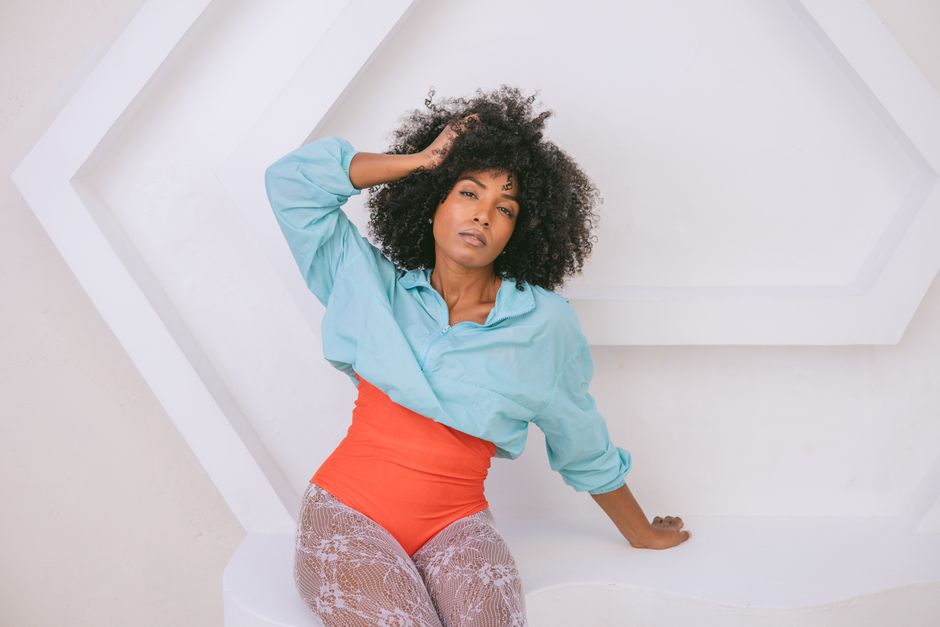
My opinion: start with a plain black knit and a pale sheer shirt. That pairing gives the strongest contrast while keeping the shape easy to read. The COS Sheer Pintucked Shirt at about $129 works when you want the shirt to remain useful on its own. For the knit, the $49.90 Uniqlo Merino Sweater is the practical first purchase because its 19.5-micron merino is thin, smooth, and machine washable. The $50 Quince Mongolian Cashmere Crewneck is the softer upgrade, but it needs gentler care and a smoother shirt underneath.
The three outfits I would actually wear
- Work: pale sheer shirt, charcoal merino crew neck, straight black trousers, and loafers. Keep the shirt hem hidden and show only the collar and cuffs.
- Weekend: black sheer shirt, ivory cashmere crew, relaxed blue jeans, and clean sneakers. Let two inches of shirt hem show, but keep jewelry minimal.
- Low budget: thrifted sheer button-up, fine-gauge crew neck already in your closet, and one fitted tank. Spend nothing until you test the proportions with clothes you own.
The money check before buying
These are clothing prices, not financing recommendations. If a $129 shirt goes on a revolving credit card, a 20% to 30% APR can add roughly $2 to $3 in interest for one month on that balance, and a late-payment fee can reach $30 or more depending on the issuer. Pay cash or clear the balance by the due date. This is not financial advice.
Final recommendation: for most readers, buy or use a smooth black crew-neck knit, pair it with a pale sheer shirt that has a straight sleeve, and show only the collar, cuffs, or hem. The Uniqlo Merino Sweater is the best first knit for this formula; choose the COS shirt when you want a more distinctive blouse, and choose Quince cashmere when softness matters more than easy care.