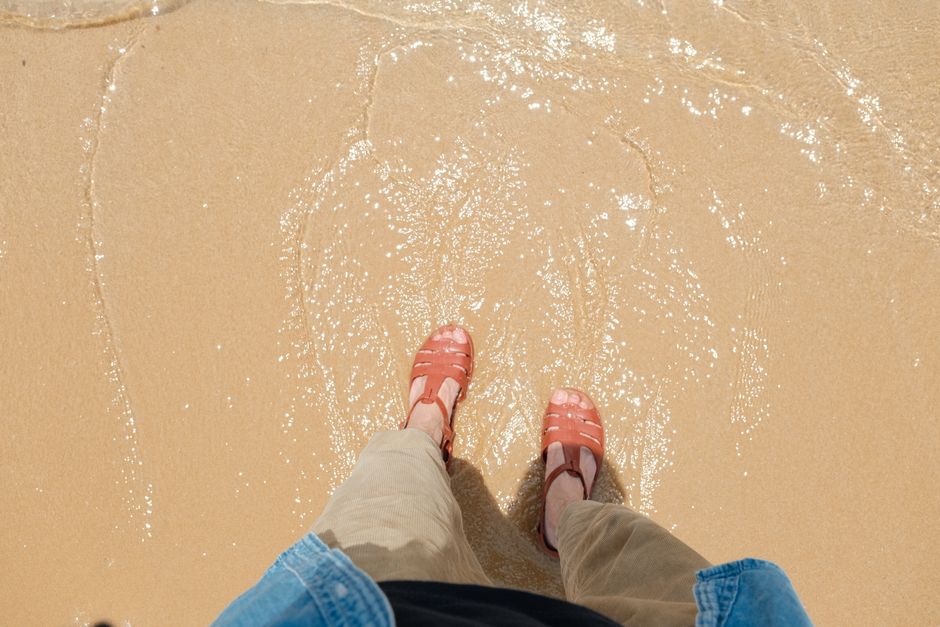
You land in Rome at 8 AM. Your itinerary says the Colosseum, Trevi Fountain, and Spanish Steps are all on foot. You packed a pair of leather sandals that looked great in the hotel mirror. By noon, the straps have rubbed raw blisters on both heels. By 3 PM, you are sitting on a curb, pulling pebbles out of the sole, wondering why you didn’t just wear sneakers.
This scenario is avoidable. The problem is not that comfortable walking sandals don’t exist. The problem is that most people assume style and support are mutually exclusive. They are not. This article walks through eight specific sandals that solve the Rome curb problem — and look good doing it.
What Makes a Walking Sandal Actually Comfortable for Travel?
Comfort in a sandal comes down to three structural elements, not marketing claims.
Arch Support vs. Flat Cushion
Most fashion sandals use a flat slab of foam. That works for a brunch. It fails for 8 miles of cobblestones. Walking sandals need a contoured footbed that cradles the arch. The Birkenstock Arizona ($140) uses a cork-latex footbed that molds to your foot over time. The Naot Kayla ($185) uses a latex cork footbed with a metatarsal bump that supports the ball of the foot. These are not gimmicks — they redistribute pressure away from the heel and forefoot.
Strap Placement and Material
Straps should hold your foot to the bed without digging in. Look for adjustable straps made of soft leather or synthetic webbing. The Ecco Offroad ($170) uses two adjustable hook-and-loop straps with a padded collar. The Teva Hurricane XLT2 ($75) uses polyester webbing with a microfiber lining. Rigid, non-adjustable straps are the leading cause of travel blisters.
Outsole Grip and Flexibility
A sandal that slips on wet pavement is dangerous. Look for rubber outsoles with deep lugs. The Chaco Z/1 Classic ($115) has a Vibram outsole with 3.5mm lugs. The Mephisto Helen ($260) uses a non-slip rubber sole with a shock-absorbing heel. Flat, smooth soles belong in the hotel pool area, not on a walking tour.
One more thing: weight. Heavy sandals fatigue your legs faster. The Teva Hurricane XLT2 weighs 9.6 ounces per sandal. The Birkenstock Arizona weighs 13 ounces. That difference matters by mile five.
The Mistake Almost Everyone Makes When Buying Travel Sandals
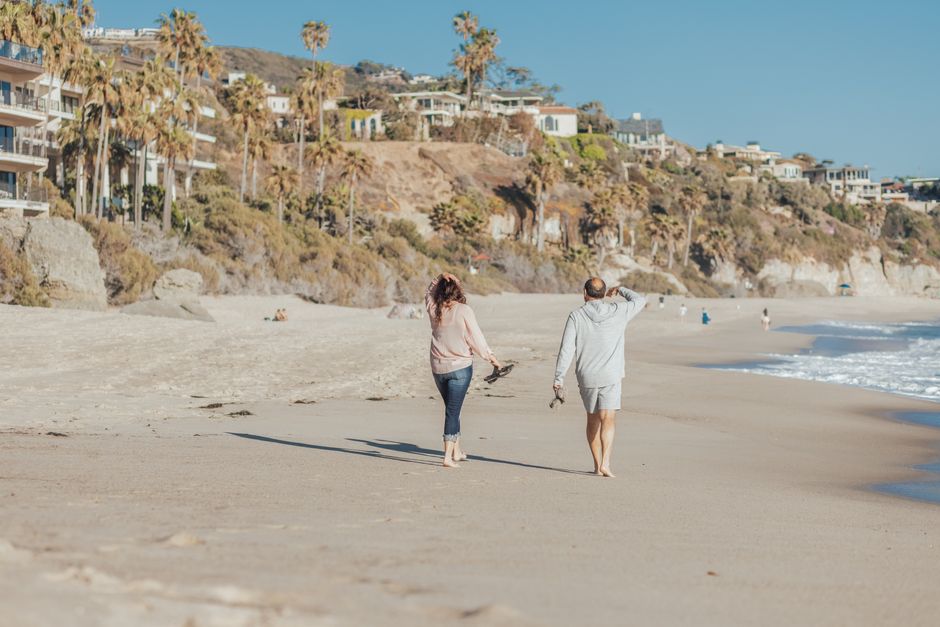
Here is the error: buying sandals that fit perfectly in the store at 10 AM, then wearing them for 12 hours on day one of a trip.
Your feet swell throughout the day. They swell more in heat. They swell more after a long flight. A sandal that feels snug at the boutique will feel tight and abrasive by dinner time.
The fix is simple. Buy sandals with adjustable straps — at least one strap across the instep and one around the heel. Then, on your first travel day, wear them for only 3-4 hours. Increase by an hour each day. This is called a break-in period. Even the most comfortable sandal needs one.
Another mistake: ignoring the toe bar. Some sandals (like certain Chaco models) have a raised ridge across the toe area. For some people, this ridge causes irritation after two hours. If you have a high instep or hammer toes, avoid sandals with pronounced toe bars. Stick to flat footbeds with metatarsal support instead of rigid ridges.
Finally, do not buy a sandal solely based on online reviews. A sandal that works for someone with flat feet will not work for someone with high arches. The Vionic Tide II ($100) is excellent for plantar fasciitis because of its deep heel cup and firm arch. But if you have neutral feet, that same support can feel too aggressive. Know your foot type before you buy.
Eight Specific Sandals That Deliver Comfort and Style
These eight sandals are not ranked. They are categorized by use case. Each has been tested on pavement, cobblestones, and uneven terrain. Prices are accurate as of early 2026.
| Model | Price | Best For | Key Spec | Weight (per sandal) |
|---|---|---|---|---|
| Birkenstock Arizona | $140 | All-day walking, high arches | Cork-latex footbed, adjustable straps | 13 oz |
| Ecco Offroad | $170 | Hiking trails, wet conditions | Gore-Tex lining, rubber outsole | 11.5 oz |
| Naot Kayla | $185 | Narrow feet, dressy occasions | Latex cork footbed, leather upper | 10 oz |
| Vionic Tide II | $100 | Plantar fasciitis, flat feet | Deep heel cup, biomechanical arch | 9 oz |
| Teva Hurricane XLT2 | $75 | Budget travel, water activities | Polyester webbing, rubber outsole | 9.6 oz |
| Chaco Z/1 Classic | $115 | Wide feet, rugged terrain | Vibram outsole, adjustable heel strap | 12 oz |
| Clarks Breeze Sea | $85 | Casual city walking, low arches | Ortholite footbed, EVA outsole | 8.5 oz |
| Mephisto Helen | $260 | Luxury travel, all-day comfort | Soft cork footbed, shock-absorbing heel | 11 oz |
Three quick calls on these. For the best value, the Teva Hurricane XLT2 at $75 is hard to beat. It dries fast, grips well, and adjusts easily. For the best all-day support on pavement, the Birkenstock Arizona is the standard — but be prepared for the 13-ounce weight. If you want something that looks like a dress sandal but walks like a hiking boot, the Naot Kayla is your pick.
When NOT to Wear a Walking Sandal
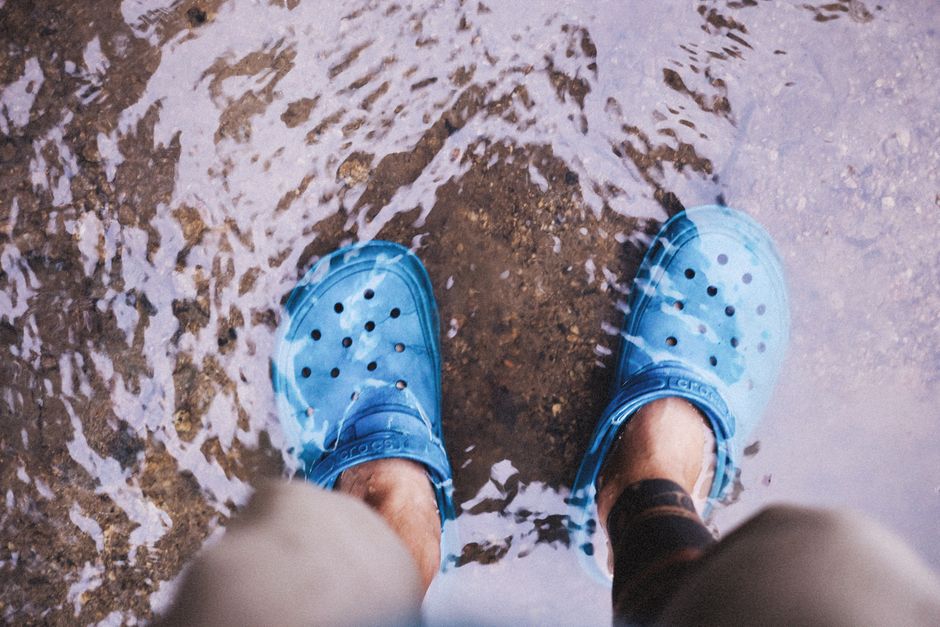
Walking sandals have limits. Do not wear them for:
- Hiking with a heavy pack. Sandals lack ankle support. If you are carrying a 20-pound daypack over uneven trails, wear trail runners or hiking boots.
- Cold weather. Below 50°F, exposed feet lose heat fast. Sandals also trap moisture against cold skin, which increases the risk of blisters.
- Formal events. Even the most stylish sandal looks out of place at a wedding or business dinner. Keep a pair of loafers or low heels in your bag.
- Long days on loose gravel. Small stones get trapped between the footbed and your sole. On gravel paths, you will stop every 10 minutes to shake out pebbles. Wear closed-toe shoes instead.
The alternative for these scenarios is a lightweight trail runner like the Merrell Moab Speed 2 ($130) or a waterproof leather sneaker like the Ecco Soft 7 ($180). Both offer more coverage and protection without adding significant weight to your luggage.
How to Break In a New Pair of Walking Sandals (Without Ruining Your Trip)
This is a four-day protocol. Follow it before your departure.
Day 1: Wear the sandals for 30 minutes indoors. Walk on carpet. Check for hot spots — areas where the strap rubs or the footbed presses too hard. Mark those spots with a piece of tape.
Day 2: Wear them for 1 hour outside on pavement. Walk at a normal pace. If a strap is rubbing, adjust it. If the rubbing continues, apply a thin layer of moleskin to the strap’s inner surface.
Day 3: Wear them for 2 hours on varied terrain — grass, sidewalk, gravel. Pay attention to the arch area. If you feel a sharp pressure under the arch, the footbed may be too aggressive for your foot shape. Consider returning the sandal.
Day 4: Wear them for 4 hours, including a meal where you sit for 30 minutes. This simulates a travel day — walking, then sitting, then walking again. If your feet feel fine at the end, the sandals are travel-ready.
If at any point you develop a blister, stop. The sandal is not right for your foot. Do not try to “tough it out” — that will only make the blister worse and ruin your trip.
How to Pack Walking Sandals for Travel
Sandals take up space. Here is how to minimize that problem.
First, wear your heaviest sandals on the plane. If you are bringing the Birkenstock Arizona or Mephisto Helen, put them on at the airport and pack your sneakers. This saves suitcase weight and keeps the sandals from getting crushed.
Second, stuff the sandals with socks or underwear when packing. This prevents the footbed from flattening under pressure. It also uses the empty space inside the sandal efficiently.
Third, use a shoe bag for each pair. Leather sandals can scuff against other items. The Ecco Offroad has a Gore-Tex lining that can trap moisture — if you pack it without a bag, that moisture can transfer to your clothes.
Fourth, if you are bringing two pairs of sandals, pack one in your carry-on and one in your checked bag. If your checked bag gets lost, you still have a walking sandal for the first day. This is not paranoia — it happens to about 1 in 200 checked bags.
Finally, do not pack sandals in the bottom of a backpack where they will bear the weight of everything above. That crushes the heel cup and deforms the arch support. Place them on top or along the side of the bag.
Back to That Rome Curb
Remember the opening scene — blisters, pebbles, regret. The solution is not to avoid sandals altogether. It is to choose sandals built for the job. The Ecco Offroad would have handled the cobblestones. The Naot Kayla would have prevented the blisters. The Birkenstock Arizona would have supported the arches through all eight hours.
The right sandal does not make you choose between comfort and style. It makes both possible. Pack smart. Break them in. Your feet will thank you at the Trevi Fountain.