You open your closet. It’s stuffed. You have nothing to wear. Sound familiar? That was me two years ago, except I’d just read the stat that the average garment is worn only seven times before being tossed. I decided to stop contributing to that cycle. I went cold turkey on new clothes. No fast fashion, no mall trips, no online retail therapy. Just secondhand. Here’s what actually happened, what I learned, and the tools that made it work.
Why I Quit Buying New Clothes Cold Turkey
The fashion industry produces over 100 billion garments a year. Less than 1% gets recycled into new clothes. The rest ends up in landfills or is incinerated. That guilt was one reason. The other was money. I was spending $200 a month on clothes I barely wore. Secondhand shopping promised a way out: better quality for less cash, with a clear conscience.
But there’s a catch. Thrifting takes time. It requires patience, a willingness to dig, and a thick skin for disappointment. My first month was a disaster. I bought a wool blazer with a hidden stain, a pair of jeans that fit in the store but sagged after one wear, and a silk blouse that smelled like mothballs no matter how many times I washed it. I almost gave up.
Here’s what I wish someone had told me on day one: secondhand shopping is a skill. You don’t walk into Goodwill and walk out with a perfect wardrobe. You learn. And once you learn, the rewards are real.
The Four Rules That Changed My Thrifting Game
After six months of trial and error, I landed on a system. These four rules stopped me from wasting money on junk I’d never wear.
Rule 1: Know Your Measurements, Not Your Size
Vintage sizing is a mess. A 1990s size 8 is often a modern size 4. A 1970s size 10 might fit like a modern 6. Throw in brands cutting sizes differently, and you can’t trust the tag. I keep a note on my phone with three numbers: bust, waist, and hip in inches. At the thrift store, I measure the garment flat against my arm. If it’s close to my numbers, I try it on. If not, I put it back. This one habit cut my duds rate by 80%.
Rule 2: Inspect Every Seam and Button
Secondhand clothes have wear. The question is whether the wear is fixable. I check four things on every item:
- Seams: Are they pulling apart? Loose threads I can snip. Gaping holes mean a no-buy.
- Buttons: Missing buttons on a $5 blazer? Easy fix. Missing buttons on a $3 shirt? Not worth the hassle.
- Zippers: I zip and unzip twice. Sticky zippers can often be fixed with a wax candle, but broken zippers are a dealbreaker.
- Fabric feel: Pilling, thinning, or visible fading. I pass on anything that looks like it has one wash left.
Rule 3: Shop the Dead Zones
Most thrift shoppers hit the women’s tops and jeans racks first. I head for the sections everyone ignores: men’s sweaters, outerwear, and the “home goods” aisle where they sometimes stash unsorted bags of clothes. I’ve found a cashmere Patagonia pullover in the men’s large section for $12 and a pair of nearly new Everlane boots in the “shoes without a box” bin for $8. The best finds hide in plain sight.
Rule 4: Set a Budget and a Limit
It’s easy to overspend when everything is $5. I set a monthly clothing budget of $50. That forces me to be picky. I also cap my wardrobe at 60 items total (including shoes and outerwear). If I bring something in, something has to go. This rule keeps my closet from becoming a hoard of thrifted junk I never wear.
Where I Actually Find the Best Secondhand Clothes
Not all secondhand sources are equal. I use three main channels, each for different needs.
| Source | Best For | Average Price | Time Investment |
|---|---|---|---|
| Local thrift stores (Goodwill, Salvation Army) | Basics, denim, sweaters, coats | $3–$12 | 1–2 hours per visit |
| Online resale (ThredUp, Poshmark, Depop) | Specific brands, dresses, workwear | $15–$40 | 15–30 minutes per search |
| Consignment shops (The RealReal, local boutiques) | Designer pieces, luxury accessories | $50–$200 | 30–60 minutes per visit |
ThredUp is my go-to for basics like cotton t-shirts and linen pants. I filter by “like new” condition and specific brands like Everlane or Levi’s. Depop is better for unique vintage finds, but you have to check seller ratings carefully. I’ve had good luck with sellers who post measurements and multiple photos. Poshmark works well for coats and shoes because you can make offers. I snagged a pair of barely worn Blundstone boots for $40 by offering 30% below asking.
For high-end pieces, I use The RealReal or Vestiaire Collective. I found a Stella McCartney blazer for $90 that retails for $800. The catch: authentication takes time, and returns are limited. I only buy from these sites when I know my exact size in that brand.
The Biggest Mistake I Made (and How to Avoid It)
My worst purchase was a pair of vintage leather pants. They looked incredible on the hanger. The leather was soft, the stitching was clean, and the price was $15. I bought them without trying them on. They were two sizes too small. I couldn’t return them. I tried to resell them on Depop for $30. They sat for six months before I donated them back.
The mistake was buying for the fantasy version of myself. I saw the pants and imagined the outfit I’d wear to a cool event. But I don’t go to cool events. I work from home and walk my dog. The pants had no place in my real life.
To avoid this, I now ask one question before buying anything: “Will I wear this within the next week?” If the answer is no, I put it down. That simple filter has saved me from buying a velvet jumpsuit, a sequined miniskirt, and three pairs of unwearable heels.
When Secondhand Only Doesn’t Work
I’m not going to pretend a 100% secondhand wardrobe works for everyone. It has real limits.
Underwear and socks. I buy these new. I tried thrifted socks once. Never again. The elastic was shot, and they smelled like thrift store no matter how many times I washed them. New socks cost $10 for a six-pack. That’s worth it.
Activewear. Secondhand leggings and sports bras are often stretched out or smell like old sweat. I’ve had decent luck with ThredUp’s “like new” activewear, but the selection is thin. I buy new leggings from Old Navy ($25) and replace them every two years.
Formal wear. Finding a secondhand gown that fits perfectly is a unicorn hunt. I’ve done it twice, but it took three months of searching each time. If you need a dress for a wedding next weekend, rent it or buy new. The stress isn’t worth it.
The tradeoff is real: secondhand shopping is slower, less predictable, and requires more effort than clicking “buy now” on a fast fashion site. If you value convenience above all, this isn’t for you. But if you value quality, sustainability, and saving money, the tradeoff pays off.
How My Style Actually Changed
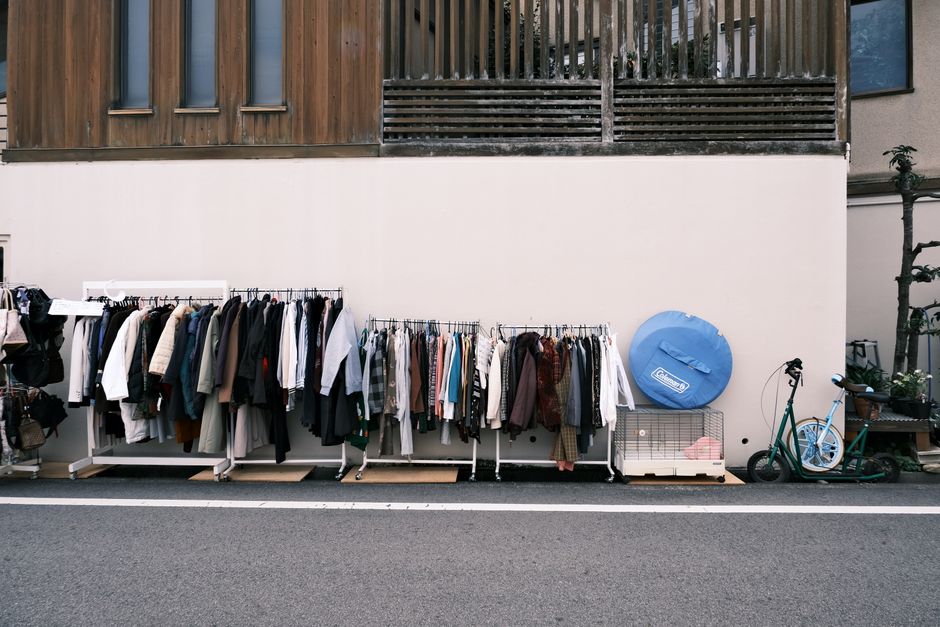
I expected my wardrobe to shrink. It did — from 85 items to 52. But the quality shot up. I now own four pairs of jeans instead of eight, but they’re all Levi’s or vintage Wranglers that fit perfectly. I have six sweaters instead of fifteen, but they’re cashmere, wool, or heavyweight cotton. I wear everything I own.
My style also shifted. Without the constant drip of new trends, I stopped chasing what was “in.” I started dressing for my actual body and my actual life. That means more neutral colors, better fabrics, and fewer impulse buys. I get more compliments now than I did when I was buying new clothes every month. People notice when you wear something that fits well and is made well, even if it cost $8.
The biggest surprise was how much money I saved. In my first year of secondhand only, I spent $420 on clothes. The year before, I spent $2,400. That’s $1,980 I put toward a trip to Japan. I wore thrifted clothes the whole time. No one knew the difference.
My Verdict: Start With One Category
Don’t try to flip your entire wardrobe overnight. That’s how you end up with a closet full of regret and a credit card bill. Instead, pick one category — jeans, sweaters, or coats — and commit to buying only secondhand for that category for three months. See how it feels. See if you save money. See if you actually like the pieces you find.
For most people, jeans are the easiest starting point. Thrift stores are overflowing with Levi’s, Wranglers, and vintage denim. They’re durable, easy to wash, and forgiving on fit. Set a goal: find one pair of secondhand jeans you love in the next month. If that works, add sweaters. Then coats. Go slow.
I’ve been secondhand only for two years now. I don’t miss buying new clothes. I miss the convenience sometimes. But I don’t miss the guilt, the clutter, or the wasted money. If you’re curious, start small. The thrift store is waiting.