Waking up at 6:45 AM to stare at a closet full of clothes you never wear — sound familiar? I did that for three years. Every morning, I’d pull out five tops, try three, hate two, and end up in the same black trousers and a wrinkled blouse I swore I’d iron the night before. The average adult makes 35,000 decisions per day. The first one should not be “Can I wear this striped shirt with that blazer without looking like a failed architect?”
I’m not a minimalist guru. I’m a copywriter who was spending roughly $200 a month on “work clothes” I barely wore. So last January, I did the math, got ruthless, and built a 20-item work wardrobe. Here’s exactly what happened to my mornings, my wallet, and my sanity.
The Cost of Closet Chaos: What I Was Actually Spending
Before the purge, I owned 47 work-appropriate pieces. That’s not including outerwear, shoes, or accessories. I tracked my spending for three months using a simple spreadsheet. The numbers were embarrassing.
| Category | Items Owned | Worn at Least Once per Month | Monthly Spend on New Items |
|---|---|---|---|
| Tops & blouses | 18 | 6 | $85 |
| Bottoms (pants, skirts) | 10 | 4 | $55 |
| Blazers & jackets | 7 | 2 | $40 |
| Dresses | 12 | 3 | $20 |
| Total | 47 | 15 | $200 |
I was spending $200 a month on new clothes while actively ignoring two-thirds of what I already owned. The problem wasn’t a lack of options. It was too many options with no system. Decision fatigue was costing me 10–15 minutes every morning. That’s roughly 60 hours a year — or a full work week — spent staring at hangers.
How I Built the 20-Item List (and What Made the Cut)
The rule was simple: every piece had to pair with at least three others. If a blouse only worked with one pair of trousers, it was out. I also banned anything that required special care — dry-clean-only blazers, hand-wash silk tops, anything that said “do not tumble dry.” My life is not a museum. My clothes need to survive a commute, a coffee spill, and a 9-hour day.
Here’s the final list, broken down by category. These are real brands I bought and tested.
Tops (7 items):
- 2x Uniqlo Supima Cotton T-shirts (white, navy) — $14.90 each. They hold shape after 20+ washes.
- 1x Everlane The Cotton Crew (black) — $28. Slightly thicker than the Uniqlo, better under blazers.
- 1x Madewell Whisper Cotton Tee (striped) — $29.50. The stripes add visual interest without screaming “pattern.”
- 1x Aritzia Wilfred Free Ribbed Turtleneck (heather grey) — $48. Works alone or layered.
- 1x Theory Silk-Satin Blouse (cream) — $195 (bought on sale for $98). The one splurge. It elevates everything.
- 1x COS Poplin Shirt (white) — $69. Crisp enough for client meetings, relaxed enough for desk days.
Bottoms (5 items):
- 1x Everlane The Dream Pant (black) — $98. Stretchy waistband, looks like tailored trousers. I own two pairs now.
- 1x Uniqlo Smart Style Ankle Pants (navy) — $39.90. Machine washable, no ironing needed.
- 1x Madewell Harlow Straight-Leg Crop (olive) — $128. Adds color without being loud.
- 1x Aritzia Babaton Command Skirt (black, midi length) — $88. Fits like it was made for my body.
- 1x Levi’s 501 Original Fit Jeans (dark wash) — $69.50. Only for casual Fridays, but non-negotiable.
Outerwear & Layers (4 items):
- 1x Uniqlo Ultra Light Down Parka (black) — $79.90. Packs into its own pocket, warm enough for most winter days.
- 1x Everlane The Italian ReWool Blazer (charcoal) — $195. Soft, unstructured, works with skirts and pants.
- 1x COS Oversized Wool-Blend Coat (camel) — $250. Investment piece. I’ve worn it 4 winters straight.
- 1x Madewell Transport Jacket (tan) — $168. The perfect transitional layer for spring and fall.
Shoes (4 items):
- 1x Everlane The Day Glove (black leather) — $145. Flat, comfortable, looks professional.
- 1x Rothy’s The Point (black/white) — $165. Machine washable. I wear these 3 days a week.
- 1x Sam Edelman Hazel Block Heel (nude) — $110. 2-inch heel, can actually walk in them.
- 1x Veja Campo Sneakers (white leather) — $155. For commutes and casual days.
Total cost at retail: roughly $1,900. But I didn’t buy it all at once. I spread purchases over 4 months, sold 12 pieces on Poshmark (made $320), and donated the rest. The net cost was about $1,580. That’s less than 8 months of my previous $200/month habit.
What Changed: Time, Money, and Mental Energy
Three months in, the results were measurable. I tracked everything.
Morning time dropped from 22 minutes to 8. That’s 14 minutes saved per day. Over a 40-hour work week, that’s 4.6 hours per month. I now read a chapter of a book instead of trying on three different cardigans.
Monthly clothing spend fell from $200 to $35. I bought one replacement item in month two (a new Uniqlo tee because the old one got a stain) and a pair of tights in month three. That’s it. The urge to shop disappeared because I didn’t feel like I was missing anything.
Decision fatigue vanished. I use a simple rotation: Monday = blazer day, Tuesday = turtleneck, Wednesday = blouse, Thursday = poplin shirt, Friday = jeans. I don’t think about it. I just grab the next piece in the cycle. It sounds robotic, but it freed up mental space for actual work decisions.
One unexpected change: I started getting compliments. Not because the clothes were flashy, but because everything fit well and coordinated. A navy top with olive pants looks intentional. A striped tee under a charcoal blazer reads as polished. When every piece works together, you look put-together without trying.
The Failure Modes: What Almost Broke the System

I don’t want to pretend this was seamless. Three things almost derailed the experiment.
1. Laundry timing is critical. With only 7 tops, you need to do laundry every 5–6 days. I missed a wash once and ended up wearing a slightly wrinkled blouse to a client meeting. The solution: I now set a recurring Sunday evening laundry alarm. Non-negotiable.
2. One “hero” item can become a crutch. I wore the Everlane Dream Pants three days in a row because they’re comfortable. They started pilling between the thighs after 6 months. I bought a second pair to rotate. Lesson: even durable items need rest days.
3. Seasonal shifts require a swap. My list was built for fall/winter. When summer hit, the turtleneck and wool coat were useless. I swapped two tops (turtleneck and one tee) for a sleeveless silk shell and a linen button-down. That’s it. The core stayed the same.
If you try this, plan for two seasonal refreshes per year. Swap 2–3 items, not the whole wardrobe.
Should You Do This? The Verdict and the Tradeoffs
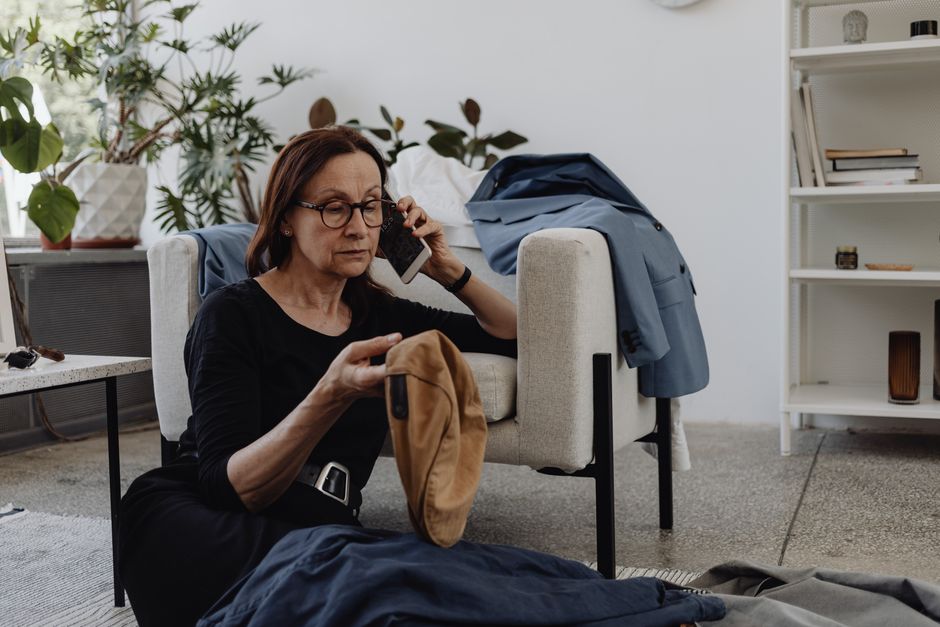
This system works if you have a consistent dress code. I work in a business-casual office where jeans are allowed on Fridays but blazers are expected for meetings. If your workplace requires suits daily, you’ll need a different mix — probably more blazers and fewer tees.
It also works if you’re okay with repetition. Some people hate wearing the same clothes on a cycle. I found it liberating. My brain treats clothing as a utility now, not an identity statement. That might sound depressing. For me, it meant I stopped thinking about my appearance and started thinking about my work.
When NOT to do this:
- If your job involves frequent client entertainment, trade dinners, or events where variety matters. You’ll need more dresses and statement pieces.
- If you live in a climate with extreme seasonal swings (think Minnesota winter to Texas summer), you’ll need two separate capsules, which almost doubles the item count.
- If you genuinely enjoy fashion as a hobby, don’t do this. It will kill the joy. This system is for people who want clothing to be a solved problem, not a creative outlet.
Would I go back to 47 items? No chance. The 20-item wardrobe didn’t just change my mornings. It changed my relationship with spending. I now see a $100 blouse and ask: “Does this replace something, or is it just adding noise?” Usually, it’s noise.
If you’re tired of the 6:45 AM closet stare, try the math. Count what you own, track what you actually wear, and cut everything that doesn’t earn its hanger space. You might end up with 18 items or 25. The number doesn’t matter. What matters is that every piece has a job — and your mornings finally have peace.