Many shoppers operate under the assumption that velvet is a fragile, high-maintenance fabric reserved exclusively for the three weeks surrounding the winter holidays. This is a misunderstanding of textile history and construction. While poorly made velvet can indeed pill or lose its luster, a high-quality velvet blazer is one of the most resilient items in a professional wardrobe. Historically, velvet was the choice of royalty precisely because the dense pile provided warmth and durability that lighter weaves could not match. Modern fabric engineering has only improved this, creating blends that resist crushing and water spots. If you have been avoiding this texture because you fear it is too precious for regular use, you are missing out on a versatile layering piece that bridges the gap between casual denim and formal evening wear.
Why Velvet Construction Dictates Longevity and Appearance
The quality of a velvet blazer is determined long before the first pattern piece is cut. Velvet is a tufted, woven fabric where the cut threads are very evenly distributed, creating a short, dense pile. This pile is what gives the fabric its signature feel. However, the base weave—the hidden grid that holds those tufts in place—is what determines how the blazer will hold its shape over years of wear. In cheaper garments, the base is often a loose polyester mesh that stretches out of proportion, leading to the dreaded “baggy elbow” look within months.
When evaluating a blazer, you must consider the nap. The nap is the direction in which the pile lays. If you run your hand down the fabric and it feels smooth, you are moving with the nap. If it feels rough or changes color, you are moving against it. High-end manufacturers like Saint Laurent or Frame ensure that every panel of the blazer is cut with the nap facing the same direction. Lower-end brands occasionally cut panels in different directions to save fabric, resulting in a blazer where the sleeves appear to be a different shade of black than the torso when viewed under direct light. It is a subtle detail that separates a $100 jacket from a $600 investment.
The Difference Between V-Weave and W-Weave Velvet
If you have the opportunity to look at the fabric under a magnifying glass or check the manufacturer’s technical specs, look for a “W-weave.” In a V-weave, the pile yarn is simply looped under one warp thread. It is easy to pull out. In a W-weave, the yarn is looped under three or more threads, making the pile much more secure. This is why some velvet blazers seem to “shed” on your white button-down shirts while others remain pristine. High-density W-weave cotton velvet is the gold standard for a blazer that you intend to wear to the office twice a week.
Comparing Velvet Fabric Compositions: Silk, Cotton, and Synthetic

The fiber content of your velvet blazer changes everything from the way it drapes to how it handles a spilled drink. There is no single “best” fabric; there is only the best fabric for your specific environment. A silk velvet blazer is a liquid-like garment that is beautiful for a gala but perhaps too delicate for a commute on public transit. Conversely, a cotton velvet blazer is stiff and architectural, making it ideal for a sharp, professional silhouette.
| Fabric Type | Drape Quality | Durability | Best Use Case |
|---|---|---|---|
| Silk/Rayon Blend | High (Fluid) | Low | Formal events, evening wear |
| 100% Cotton Velvet | Low (Structured) | High | Workwear, daily casual | Synthetic (Polyester) | Medium | Very High | Travel, high-traffic environments |
Synthetic velvets have come a long way. Ten years ago, polyester velvet looked like cheap upholstery. Today, brands are using microfibers that mimic the luster of silk while providing the stain resistance of plastic. If you live in a rainy climate, a high-quality synthetic blend might actually be a more logical choice than silk, as water spots can permanently damage the pile of natural silk velvet. However, synthetics do not breathe well. If you tend to run hot, you will find yourself sweating through a polyester blazer within twenty minutes of entering a crowded room.
Best Professional Velvet Blazers for Work and Daily Wear
For a blazer to work in a professional setting, it needs structure. You are looking for sharp shoulders, a defined waist, and a matte finish. Shiny velvet looks like a costume; matte velvet looks like luxury. The goal is to provide texture to a monochromatic outfit without looking like you’re heading to a holiday party.
J.Crew Parke Blazer in Velvet
The J.Crew Parke blazer has remained a staple for a reason. It features a slim, tailored fit with a slightly longer hem that hits at the hip. Usually priced around $198, it is frequently available on sale, making it a high-value entry point. It is typically a cotton-heavy blend with a touch of elastane for stretch. This stretch is critical for comfort if you are typing at a desk all day.
- Pros: Excellent tailoring through the waist; available in petite and tall sizes; functional buttons at the cuffs.
- Cons: The cotton velvet can attract lint and pet hair more aggressively than silk or synthetic blends.
Boden Marylebone Velvet Blazer
Boden is known for its British tailoring, and the Marylebone model (approx. $190) is a masterclass in the structured cotton blazer. It feels substantial. When you put it on, you feel the weight of the fabric, which helps the blazer hang straight even when unbuttoned. It avoids the “flimsy” look that plagues many mid-market blazers.
- Pros: Vibrant color saturation; high-quality internal piping and lining; very durable.
- Cons: The fabric is quite thick, which can feel bulky under a winter overcoat.
Top Rated Velvet Blazers for Evening Events and Formal Occasions
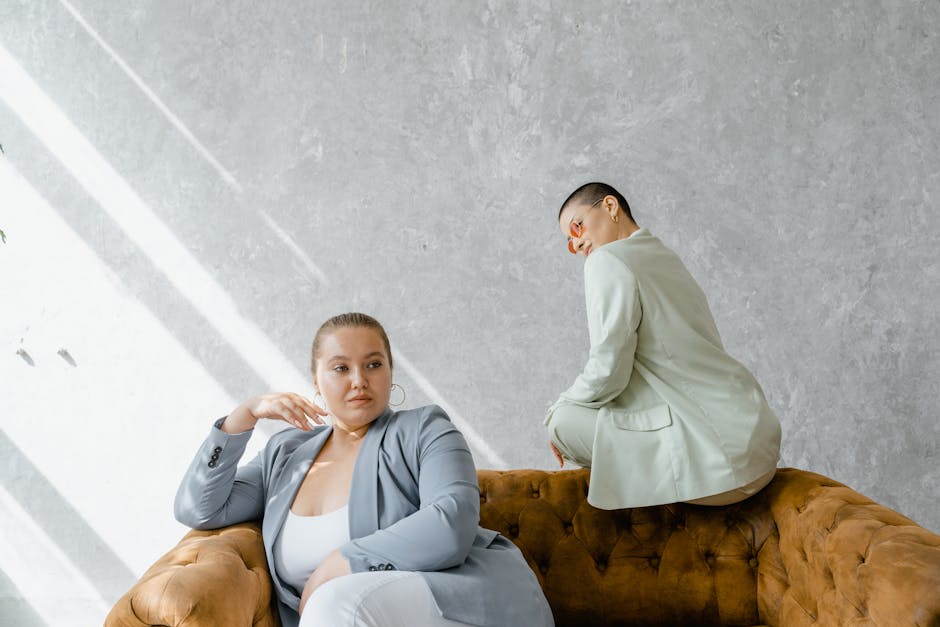
When the sun goes down, the rules change. You want a blazer that catches the light. This is where silk blends and peak lapels come into play. An evening velvet blazer should feel like an alternative to a gown—sophisticated, slightly intimidating, and impeccably cut.
Saint Laurent Iconic Le Smoking Velvet Jacket
This is the gold standard. At approximately $3,290, it is a significant investment, but it is the blueprint for every other blazer on this list. It uses a silk-blend velvet that has an almost metallic sheen. The shoulders are padded with surgical precision to create a sharp line that balances the hips. It is the definition of a “forever” piece.
- Pros: Unmatched silhouette; silk lining that feels incredible against the skin; iconic status.
- Cons: The price is prohibitive for most; requires specialized dry cleaning.
Reiss Larsson Velvet Double Breasted Blazer
Reiss occupies the space between high street and true luxury. The Larsson (approx. $475) offers a double-breasted silhouette that is particularly flattering for taller frames. The peak lapels are wide and dramatic, which draws the eye upward. It uses a polyester/viscose blend that manages to look much more expensive than it is.
- Pros: Modern, aggressive tailoring; excellent hardware (buttons); resists wrinkling during travel.
- Cons: The double-breasted cut can be overwhelming on very petite frames.
When shopping for evening velvet, check the lapels. If the lapels are made of the same velvet as the body, the look is more casual. If the lapels are satin or grosgrain, you are looking at a velvet tuxedo jacket, which is strictly for formal occasions.
Critical Fit Considerations to Avoid the Bulky Velvet Silhouette
Velvet is a thick fabric. By its very nature, it adds visual volume to your frame. If the fit is off by even half an inch, a velvet blazer can make you look like you are wearing a piece of furniture. The most important measurement is the shoulder seam. It must sit exactly at the corner of your natural shoulder. If it drops even slightly, the weight of the velvet will cause the sleeve to collapse, creating a messy, oversized look that lacks intentionality.
The sleeve length is the second point of failure. Because velvet is heavy, sleeves that are too long will bunch at the wrist, creating a “stacking” effect that looks sloppy. You want the sleeve to hit exactly at the break of your wrist, or even a quarter-inch higher to show off a watch or a cuff. Tailoring velvet is difficult because the needle can leave permanent holes in the pile, so it is always better to buy a blazer that fits perfectly in the shoulders and have a master tailor handle the sleeves.
Don’t ignore the vent. A single vent at the back is standard, but double vents (British style) often allow the velvet to drape better over the hips, especially if you have a more athletic or curvy build. If the blazer pulls across the back when you cross your arms, the velvet will eventually “bruise”—the pile will be permanently crushed in the areas of high tension, leaving shiny bald spots.
Color Selection Strategy: Beyond the Classic Black Blazer

While black is the safest choice, velvet’s unique ability to absorb and reflect light makes it the best medium for deep, jewel tones. A black velvet blazer can sometimes look “flat” in photographs, appearing as a dark void. In contrast, a navy, emerald, or burgundy blazer will show the dimensions of the tailoring because the light will catch the highlights and shadows of the pile.
If you are looking for maximum versatility, Midnight Navy is the most logical alternative to black. It functions as a neutral but has a richness that black lacks. For those who want a blazer that works across seasons, a Dusty Rose or Antique Gold velvet can work surprisingly well in the spring when paired with light-wash denim and white tees. However, be wary of silver or light grey velvet; these colors tend to show every fingerprint and water spot, making them the most difficult to maintain.
Consider your existing wardrobe’s color temperature. If you wear a lot of gold jewelry and warm tones (browns, creams, olives), a Chocolate Brown or Forest Green velvet blazer will integrate seamlessly. If your wardrobe is dominated by cool tones (greys, whites, blues), stick to navy or a deep charcoal.
Long-Term Maintenance and Ethical Sourcing of Velvet Garments
Maintenance is where most people fail. You should never, under any circumstances, iron a velvet blazer. Ironing will crush the pile instantly, leaving a permanent shiny iron-shaped mark on the fabric. If your blazer gets wrinkled, use a handheld steamer on the inside of the garment. If you must steam the outside, keep the steamer head at least four inches away from the fabric. To restore the pile after a long day of wear, use a soft-bristled clothes brush and brush against the nap to lift the fibers back up.
From an ethical standpoint, velvet production can be resource-intensive. Traditional silk velvet involves the high water usage associated with silk, while synthetic velvets are petroleum products that shed microplastics. If sustainability is a priority, look for brands like Eileen Fisher or Stella McCartney, which have experimented with recycled polyester velvets and organic cotton velvets. These options provide the same aesthetic appeal with a significantly lower environmental footprint.
Storage is equally important. Never fold a velvet blazer for long periods. The weight of the fabric will create deep creases that are nearly impossible to remove. Always hang it on a wide, padded hanger that supports the shoulders. If you are traveling, turn the blazer inside out and roll it loosely rather than folding it. This protects the pile from being crushed by other items in your suitcase.