Year 6 prom is a big deal. For most kids, it’s the first formal event they’ll attend without parents hovering nearby. No one tells you that the dress your daughter loves in the shop might be completely unwearable after three hours of dancing, sitting cross-legged on the floor for photos, and eating pizza in a crowded hall. I’ve watched enough Year 6 proms to know exactly which dresses work and which ones end up abandoned on a chair by 8pm. Here’s the real breakdown.
Why Most Year 6 Prom Dresses Fail by Hour Two
The biggest mistake parents make is buying a dress that looks amazing on the hanger but ignores how a ten-year-old actually moves. Kids don’t stand still at a prom. They run, they slide on the dance floor, they sit on the floor in groups for photos, they eat dinner at low tables, and they need the toilet without asking a friend to hold the hem of a floor-length gown.
I watched a girl in a strapless sequin dress spend the entire evening tugging it up. Another wore a mermaid-style gown and couldn’t walk up the three steps to the photo booth. These dresses cost between £40 and £100, and they were completely wrong for the event.
The fundamental problem: Year 6 prom dresses are often scaled-down versions of adult prom dresses. But an 11-year-old’s body proportions, activity level, and comfort needs are completely different from a 16-year-old’s. A dress that works for a teenager’s two-hour formal dinner will fail for a child’s four-hour active celebration.
The Three Things That Actually Matter
Movement first. Can they sit cross-legged? Can they raise both arms above their head? Can they walk up stairs without holding the skirt? If the answer to any of these is no, the dress won’t work.
Fabric that survives. Satin shows every spill. Tulle gets crushed in five minutes. Sequins shed everywhere. Cotton-blend, jersey, or structured polyester handles a child’s evening without looking wrecked by 9pm.
Fastening that doesn’t need an engineer. Back zips that require adult help for toilet breaks are a disaster. Dresses that pull over the head with stretch fabric or have simple side zips are infinitely better.
The Four Dress Silhouettes That Actually Work for Year 6
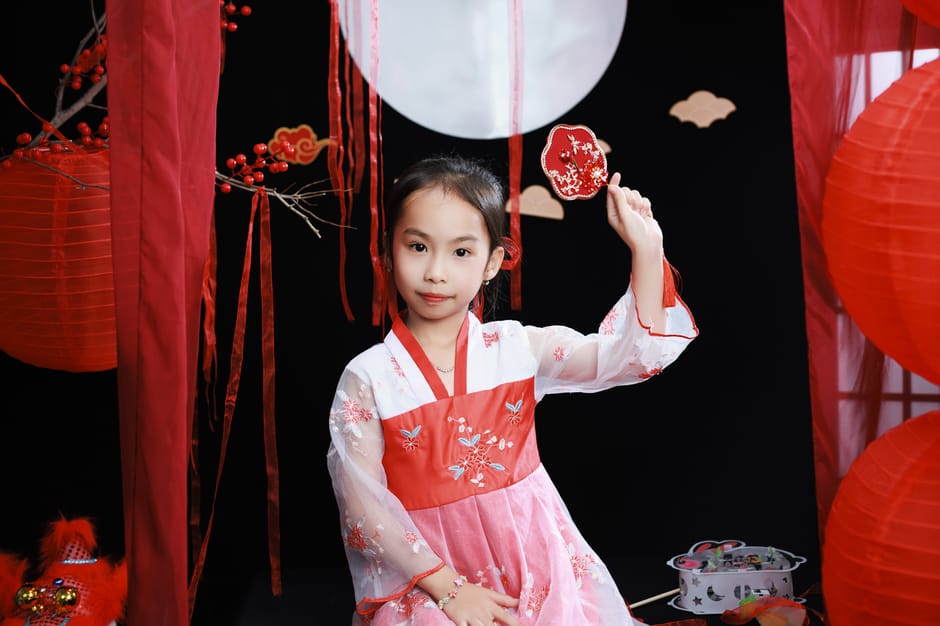
Not all dress shapes are equal for this age group. After watching multiple proms and talking to parents, these four silhouettes consistently perform well. The other shapes? They look nice in photos and fail in practice.
| Silhouette | Movement Score (1-10) | Toilet Break Ease | Dance Floor Ready? | Price Range | Best For |
|---|---|---|---|---|---|
| A-line knee-length | 9 | Easy | Yes | £25-£50 | Active kids who want to dance all night |
| Fit-and-flare midi | 8 | Moderate | Yes | £30-£60 | Kids who want a ‘grown-up’ look without the trip hazard |
| Empire waist maxi | 7 | Hard (long hem) | Yes | £35-£70 | Tall kids, formal photos, less dancing |
| Jersey bodycon mini | 6 | Easy | Yes | £20-£40 | Very active kids, hot weather, casual proms |
The A-line knee-length dress wins every time. It gives room to move, doesn’t drag on the floor, and works for dancing, sitting, and eating. Brands like M&Co, Next, and TK Maxx consistently stock these in Year 6 sizes (age 10-12) at £30-£45.
Fabrics to Embrace and Fabrics to Avoid
This is where most parents get it wrong. The fabric determines whether the dress survives the evening or ends up in a bag by 7:30pm.
Fabrics that work:
- Cotton sateen — looks formal, breathes well, washes easily. Marks & Spencer’s cotton sateen party dresses (£35-£45) are a solid choice.
- Jersey knit — stretches, doesn’t wrinkle, comfortable for hours. H&M’s jersey party dresses (£19.99-£29.99) are surprisingly good for the price.
- Structured polyester taffeta — holds its shape, doesn’t crush, handles spills better than natural fibres. Look for polyester blends with at least 10% elastane for stretch.
- Velvet (if the event is in cooler months) — looks luxurious, doesn’t show dirt easily, comfortable. Monsoon does excellent velvet party dresses (£50-£70) that hold up well.
Fabrics to skip:
- Pure satin — shows every fingerprint, every spill, every crease. Within 20 minutes of eating, it looks ruined.
- Cheap sequins — they fall off constantly. You’ll find sequins in the car, on the floor, in the food. Kids hate the scratchy feeling on their arms.
- Organza overlays — they tear easily, snag on everything, and kids can’t sit comfortably on them.
- Stretchy lace — often too clingy for 10-11 year olds who are self-conscious about their bodies. Avoid unless the child specifically asks for it.
Length and Fit: The Non-Negotiable Rules
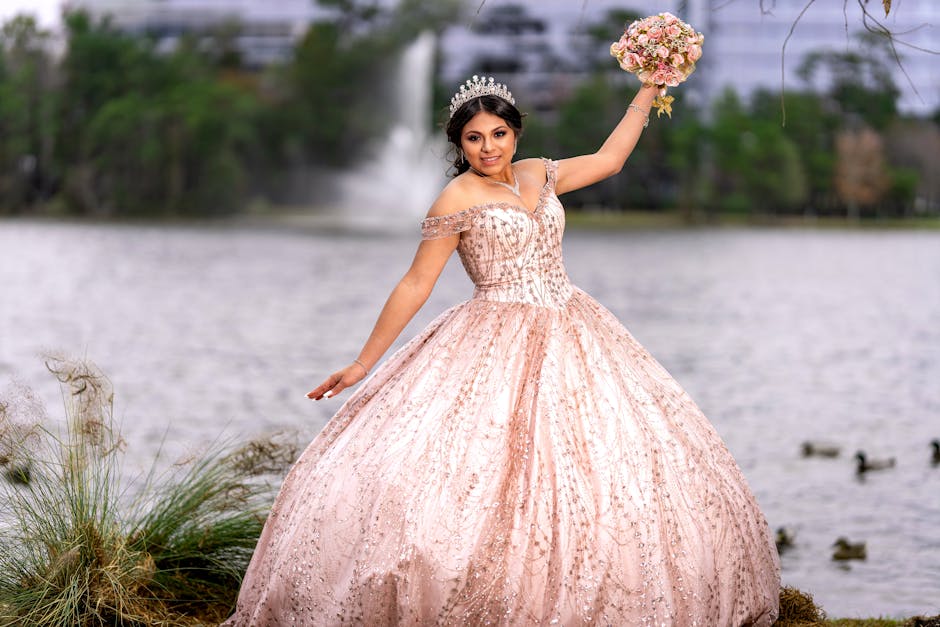
Length matters more than most parents think. A dress that’s too long becomes a hazard. A dress that’s too short makes the child uncomfortable sitting down.
The knee-length rule: The hem should hit at or just above the knee when standing. When sitting, it should still cover the thigh completely. For a Year 6 child (average height 135-150cm), this means a dress length of approximately 60-75cm from shoulder to hem.
The fit rule: The dress should fit at the shoulders and bust without gaping. If it gapes, it’s too big. If it pulls across the chest, it’s too small. Year 6 bodies vary enormously — some kids haven’t started puberty, others have. A dress that fits perfectly in the shop might be uncomfortable after an hour because the elastic waistband digs in or the straps slip off.
The test: Have the child wear the dress for 30 minutes at home. They should sit on the floor, raise their arms, bend over to pick something up, and walk up and down stairs. If they complain about anything during that 30 minutes, the dress isn’t right.
When to Spend More and When to Save
Not every Year 6 prom dress needs to cost £80. But spending £15 on a fast-fashion dress often means poor fabric, bad fit, and a dress that looks tired after one wear. Here’s where the money actually matters.
Spend more on:
- The shoes. Kids will be on their feet for 4-5 hours. Cheap ballet flats with no support cause blisters. A pair of Clarks or Start-Rite party shoes (£35-£50) with a cushioned sole and a low block heel (1-2cm max) will keep them comfortable.
- Alterations. If the dress is slightly too long or the straps need tightening, spend £10-£15 at a local tailor. A well-fitted £30 dress looks better than an ill-fitting £80 dress.
- Fabric quality. A £45 cotton sateen dress from John Lewis will look new after the event. A £20 polyester dress from a fast-fashion site will look worn.
Save on:
- The brand name. No one at a Year 6 prom cares if the dress is from a designer label. Kids care about colour, sparkle, and whether their friends like it.
- Accessories. A £5 hair clip from Claire’s Accessories works as well as a £20 one. Skip the expensive jewellery — it will be lost within an hour.
- The bag. A small cross-body bag from Primark (£6-£8) is perfect for a phone and a lip balm. Don’t buy a clutch that requires hands to carry.
The Biggest Mistakes Parents Make (and How to Avoid Them)
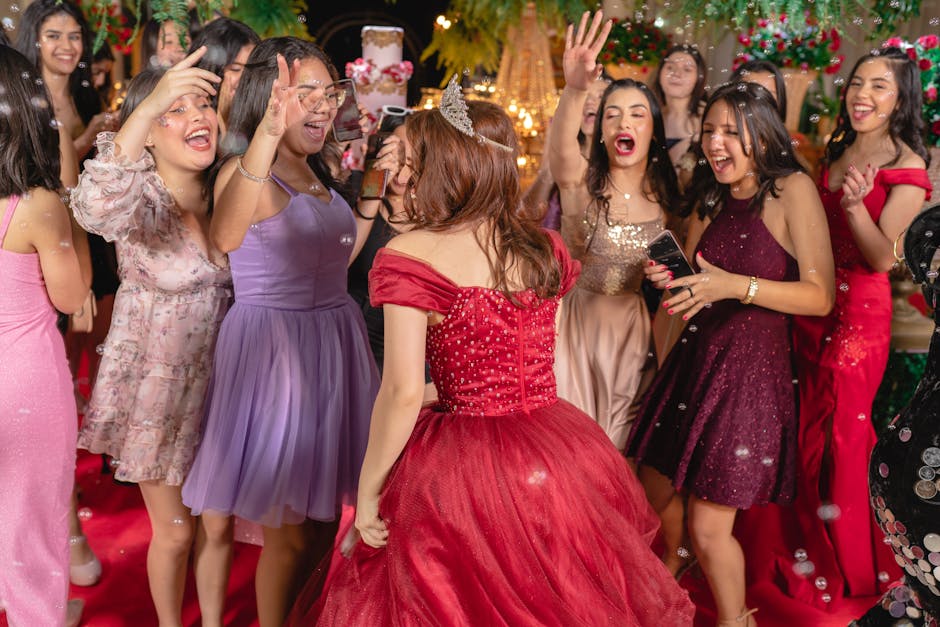
I’ve seen these mistakes repeat every Year 6 prom season. They’re easy to make and easy to avoid once you know what to look for.
Mistake 1: Buying too early. Parents buy dresses in March for a July prom. Kids grow. A dress that fits in March will be tight in July. Buy no more than 4-6 weeks before the event.
Mistake 2: Ignoring the underwear situation. A dress that needs a strapless bra is a problem for most 11-year-olds who don’t wear bras or don’t feel comfortable in them. Stick with dresses that work with the child’s existing underwear. If they don’t wear a bra, choose a dress with built-in support or thicker straps that cover a camisole underneath.
Mistake 3: Forgetting about the shoes. I’ve seen kids in beautiful dresses and brand-new shoes that haven’t been worn before. The shoes rub, the child is in pain, and the evening is miserable. Break in shoes for at least two weeks before prom. Wear them around the house for an hour each day.
Mistake 4: Choosing a dress the parent loves, not the child. The child will wear the dress. If they want neon pink with unicorns, let them. They’ll be happier and more confident. You can guide, but don’t override.
Mistake 5: No backup plan. Spills happen. Rips happen. Bring a small emergency kit: a spare pair of tights, a stain-removal pen (Tide To Go is £4), a small sewing kit, and safety pins. I’ve seen a safety pin save an entire evening when a strap broke.
Your Year 6 Prom Dress Shopping Checklist
Before you buy, run through this checklist. If the dress passes all seven points, it’s the right one.
- Movement test passed. Child can sit cross-legged, raise arms, walk stairs, and bend over without restriction.
- Fabric is durable. No pure satin, no cheap sequins, no delicate organza. Cotton sateen, jersey, or structured polyester preferred.
- Fastening is child-friendly. Pull-over with stretch, side zip, or front buttons. No back zips that need adult help for toilet breaks.
- Length is knee-length or just above. Nothing floor-length. Nothing micro-mini.
- Underwear works. The dress doesn’t require special bras or shapewear. The child feels comfortable in their normal underwear.
- Child actually likes it. They chose the colour and style. They want to wear it. They’re excited, not reluctant.
- Shoes are broken in. Worn at home for at least two weeks. Comfortable for standing and dancing.
That’s it. Seven checks. If the dress passes all of them, it will work. If it fails even one, keep looking. The right dress exists at every price point — you just need to know what to look for.
Year 6 prom is about celebrating the end of primary school. The dress should make the child feel confident and comfortable, not stressed and restricted. When the dress works, the child forgets about it entirely and just enjoys the evening. That’s the goal.