
You are standing in a store, holding two sweaters. One is cashmere — soft, expensive, delicate. The other is merino wool — lighter, cheaper, tougher. You want one for fall. Which do you buy? The answer depends on how you live, where you live, and what “warm” means to you. This guide breaks down the real differences so you stop guessing and start wearing.
Warmth: How Cashmere and Merino Trap Heat Differently
Warmth in knitwear comes from trapped air. More air pockets between fibers = more insulation. Cashmere fibers are hollow, which means they trap more air per gram than solid merino fibers. A standard 2-ply cashmere sweater (around 220-250 g/m²) keeps you warm at 40-50°F with just a long-sleeve tee underneath. A midweight merino sweater (200-240 g/m²) needs a layer at those same temperatures.
But warmth is not just about fiber type. It is about fabric density. A loosely knit merino sweater at 180 g/m² will feel colder than a tightly knit cashmere at 280 g/m². Compare by weight, not by fiber label.
Real-World Temperature Ranges
Test this yourself: On a 45°F day, wear a Naadam Signature Cashmere Crew ($175, 2-ply, 230 g/m²) with a cotton tee. You will be comfortable standing still for 20 minutes. Try the same with an Icebreaker Merino 200 Oasis Long Sleeve ($100, 200 g/m²) — you will feel the cold creep in after 10 minutes. The cashmere wins for stationary warmth. The merino wins if you are walking, because it wicks sweat and regulates temperature better.
Verdict: Cashmere is warmer at rest. Merino is warmer in motion because it manages moisture. For fall, if you sit in a cold office, pick cashmere. If you walk outside for 30 minutes daily, pick merino.
Durability: Why Your $300 Sweater Might Last Only One Season

This is where most people get burned. Cashmere has a reputation for luxury, but it has a real weakness: pilling. Short cashmere fibers (25-30 mm) rub against each other and form pills within 10-15 wears if the sweater is low-quality. Merino wool uses longer fibers (70-100 mm for fine merino), which pill far less.
I have owned a Uniqlo Merino Crew ($50) for three years. It has minor pilling under the arms. I owned a Quince Mongolian Cashmere ($100) that looked fuzzy after 12 wears. The difference is fiber length and twist. Look for long-staple cashmere (fibers over 38 mm) and tight twist yarns. Brands like Everlane and Naadam use longer fibers than budget cashmere brands, but still not as durable as merino.
Washing and Care Impact
Cashmere requires hand washing in cold water with a gentle wool wash (Eucalan or Soak), then flat drying. Machine washing even on delicate will shorten its life by 40-60%. Merino can survive a machine wash on cold, gentle cycle, and tumble dry low. Patagonia’s Merino Air (150 g/m², $90) has reinforced seams and anti-pilling treatment, making it a better daily driver than any cashmere under $200.
Verdict: Merino is 2-3x more durable than cashmere at the same price point. If you need a sweater that survives a backpack strap or a laptop bag, buy merino.
| Property | Cashmere (2-ply, 230 g/m²) | Merino Wool (200 g/m²) |
|---|---|---|
| Warmth at rest (45°F) | Excellent — no layer needed | Good — needs base layer |
| Warmth in motion (45°F) | Good — traps heat but traps sweat | Excellent — wicks moisture |
| Pilling resistance | Low to moderate (pills in 10-20 wears) | High (minor pilling after 50+ wears) |
| Machine washable | No — hand wash only | Yes — gentle cycle |
| Typical lifespan (with proper care) | 3-5 years | 5-8 years |
| Price (good quality) | $150-$300 | $60-$150 |
Common Buying Mistakes and How to Avoid Them
Three errors I see constantly. First: buying cheap cashmere (under $100). These sweaters use short, low-grade fibers that pill aggressively and lose shape after one season. You would have been better off with a $60 merino sweater. Second: assuming all merino is scratchy. Fine merino (17.5 microns or thinner) is softer than most cashmere blends. Icebreaker’s 150-gram line uses 17.5-micron fibers and feels like cotton against skin. Third: ignoring ply count. A 2-ply cashmere is standard. A 1-ply cashmere (common at fast-fashion brands) is essentially a single thread — it will develop holes within a year. Always check the ply count on the tag. If it does not say, assume 1-ply and walk away.
For merino, the mistake is buying too thick. A 250 g/m² merino sweater is too warm for most fall days (55-65°F). You will sweat and overheat. Stick to 150-200 g/m² for fall layering.
When NOT to Buy Cashmere (and Buy Merino Instead)
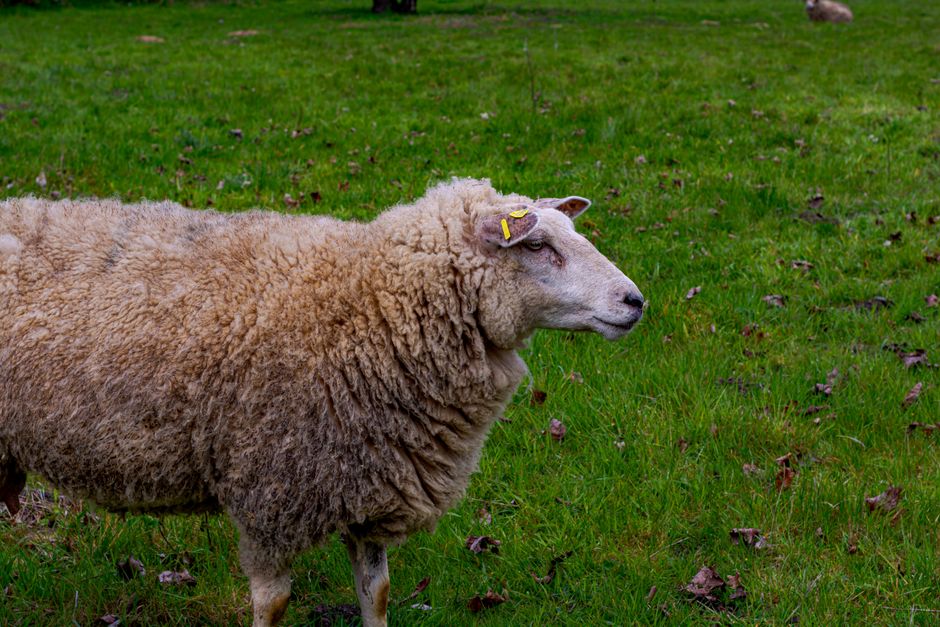
Cashmere is a bad choice in three situations. First: high-friction environments. If you wear a backpack, carry a shoulder bag, or drive a car with leather seats, the constant rubbing will pill cashmere within weeks. Merino handles friction better. Second: humid climates. Cashmere absorbs moisture and takes 24+ hours to dry. In 60%+ humidity, it feels damp. Merino dries in 4-6 hours and resists odor. Third: budget under $150. At that price, you cannot buy quality cashmere. You can buy excellent merino (Uniqlo, Icebreaker, Smartwool). Buy merino and save the cashmere upgrade for when you have $200+ to spend on a sweater you will wear twice a week max.
Which One Should You Buy for Fall — A Clear Verdict
If you live in a climate where fall means 40-55°F and you work in an office or sit most of the day, buy cashmere. Specifically, look for a 2-ply, long-staple cashmere from Naadam, Everlane, or Quince. Expect to pay $150-$200. Hand wash only. Wear it 2-3 times per week max to extend its life.
If you live in a climate where fall means 50-70°F, you walk or commute outdoors, or you want a sweater that survives real life, buy merino wool. Look for fine merino (17.5 microns or less) at 150-200 g/m². Icebreaker, Patagonia, and Uniqlo all sell reliable options for $60-$120. Machine wash on cold, tumble dry low, and it will last 5+ years.
I own both. My cashmere Naadam crew is for Sunday mornings and dinner dates. My merino Icebreaker 200 is for everything else. That is the honest split.
How to Read a Sweater Label Like a Pro
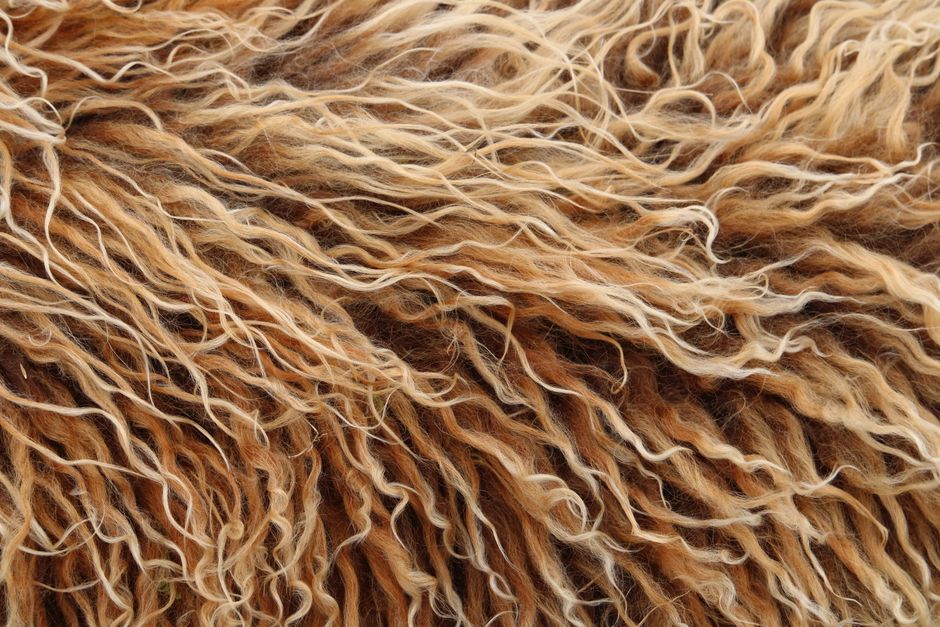
Most people glance at the tag and see “100% Cashmere” and stop reading. That is a mistake. Here is what to check: Fiber length — some brands list “long-staple” or “extra-long” cashmere. If not stated, assume short-staple. Ply count — 2-ply minimum for cashmere. 1-ply is a red flag. For merino, look for micron count. Under 18.5 microns = soft. Over 20 microns = scratchy. Weight in g/m² — 200-250 for cashmere, 150-200 for fall merino. Care instructions — if it says “dry clean only” for cashmere, that adds $20-30 per wear. Hand-washable cashmere is more practical. Finally, country of origin. Inner Mongolia and Scotland produce the best cashmere. New Zealand and Australia produce the best merino. Sweaters made in China or Vietnam can still be good, but the raw fiber origin matters more than where it was sewn.
Final Recommendation: One Sweater for Each Persona
For the office worker in a temperate fall climate: Naadam Signature Cashmere Crew ($175, 2-ply, 230 g/m², hand wash). Warm, soft, looks professional. For the commuter or outdoor enthusiast: Icebreaker Merino 200 Oasis Long Sleeve ($100, 17.5 microns, 200 g/m², machine washable). Warm enough with a jacket, resists odor, survives a backpack. For the budget shopper: Uniqlo Merino Crew Neck ($50, 19.5 microns, 180 g/m², machine washable). Not as soft as Icebreaker, but the best value in knitwear. For the luxury seeker who wants both: buy the cashmere for special occasions and a merino for daily wear. Do not try to make one sweater do everything — that is how you end up with a pilled, stretched-out mess by December.