The assumption most trend coverage makes is that everything coming off the runway is equally worth your attention. It isn’t. Winter 2026 has a genuinely coherent direction — but it also has several well-photographed distractions that will cost you money and closet space if you treat them as priorities. What follows breaks down what’s actually shifting this season, how to work it into an existing wardrobe, and where to hold back entirely.
The starting point is a misconception worth clearing up: winter 2026 is not about adding more layers or going darker for its own sake. It’s about editing toward intention. The pieces gaining traction are deliberate and structured. The ones losing ground are the ones that required you to commit fully to a single statement with nothing else around it.
How the Winter 2026 Silhouette Differs From the Last Two Years
For two consecutive winters, volume was the dominant logic: oversized coats over wide-leg trousers, chunky knits over relaxed denim, puffers worn as the main visual statement. That isn’t disappearing in 2026, but it’s shifting in a direction that changes which pieces are actually worth buying.
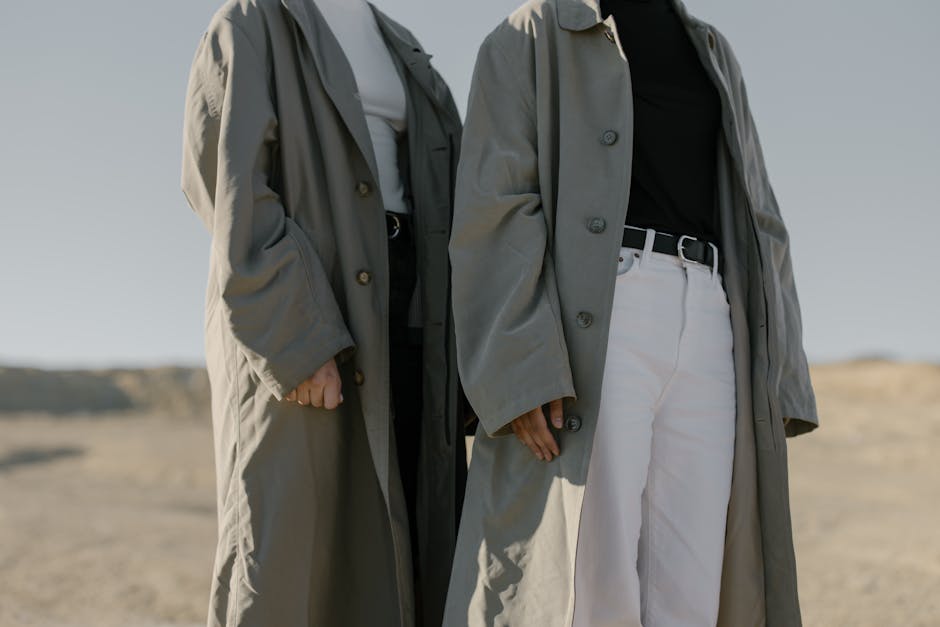
The move is toward controlled structure. Less borrowed-from-a-larger-person ease, more deliberately cut proportions. Shoulders are returning — not the aggressive power-shoulder of 90s revivalism, but a clean padded line that gives coats and blazers a purposeful silhouette rather than simply falling off the body. Bottega Veneta’s fall/winter 2026 collection built its entire outerwear story around structured leather topcoats (around $4,800). That shape is already appearing in accessible brands: Massimo Dutti’s structured wool coats run $350–$450, and Arket has been quietly offering well-cut structured versions in the $280–$350 range for anyone paying attention.
Below the coat, skirt lengths are settling. The mid-length leather or faux-leather skirt — hitting between the knee and mid-calf — is appearing across every price point this season. Toteme’s tobacco-leather version sits around $890. Zara’s faux-leather equivalent is about $70 and gets the proportion right. The critical detail: these skirts are cut slim, not A-line. That distinction changes everything. A slim knee-length skirt paired with a structured coat creates a specific, clean vertical line that the A-line version doesn’t — the whole outfit reads differently.
What this means for your existing wardrobe
Wide-leg trousers still work. But the coat worn above them should now be more tailored than last season. A relaxed trouser with a structured coat is actually a stronger silhouette than matching oversized with oversized — the contrast between a precise top half and an easy bottom half creates more visual interest than volume on volume. This is worth knowing before you buy a coat that simply duplicates what you already own. The update might not require new trousers at all.
Where the oversized blazer fits now
Oversized blazers aren’t finished. They’re being restyled. Rather than worn open over a turtleneck as a loose outer layer, the 2026 version is belted at the waist — which creates a defined shape on something previously worn without one. This doesn’t require a new blazer. It requires a good leather belt. Acne Studios blazers in the $650–$900 range hold their structure through belting without collapsing at the lapels. The Row’s versions do the same at a higher price point and outlast trend cycles by design. If you own an oversized blazer already, the belt is the only investment you need here.
The trouser leg update worth knowing
The very wide palazzo trouser is giving way to a tailored wide leg — still wide, but with a cleaner break at the ankle and a higher rise. Paired with a structured coat and a low-heeled boot, the silhouette reads more intentional than the equivalent look from 2026. This isn’t a mandate to replace your existing wide-legs. It’s a distinction to make when buying new ones: reach for the higher-rise, tailored-break version rather than the floor-grazing palazzo proportion.
Winter 2026 Color and Texture: A Direct Comparison
The color story this winter is more coherent than most seasons. Rather than the scattered brights of 2026 or the warm-neutral saturation of 2026, the palette is consolidating around a dark, warm family — mocha browns, deep burgundies, and navy. The table below maps the specific shifts from last season to this one.
| Category | Winter 2026 Direction | Winter 2026 Direction | Worth Buying? |
|---|---|---|---|
| Neutral base color | Camel, oatmeal, cream | Mocha, tobacco, dark chocolate | Yes — extends most existing wardrobes naturally |
| Statement color | Cobalt blue, fire red | Deep burgundy, wine, oxblood | Yes — more versatile than last year’s brights |
| Black alternatives | Dark grey, charcoal | Deep navy, espresso brown | Situational — depends on existing wardrobe base |
| Knit texture | Boucle, cable, chunky rib | Mohair, brushed alpaca, featherweight knit | Yes — mohair is the buy if choosing one sweater |
| Outerwear texture | Puffer, quilted nylon | Shearling, sherpa, brushed wool | Conditional — only if puffer need is already covered |
| Leather direction | Black leather trousers | Brown and tan leather skirts and coats | Yes — the skirt is a better investment than the trouser |
Burgundy is the clearest color bet of the season. Cos, Massimo Dutti, and Zara are all leaning into it for knitwear, coats, and accessories. It functions as a near-neutral within the brown-dominant palette — pair burgundy with chocolate brown or mocha and it reads rich without requiring anything loud around it. If you’re adding one new color item this winter, that’s the starting point.
Shearling outerwear: where quality matters more than usual
Cheap shearling pills within weeks and loses its texture by mid-January. The quality gap between a $90 and a $300 shearling item is visible and felt. At minimum, look for genuine shearling on the collar or cuffs — Closed and Sandro both do this well in the $400–$700 range — rather than full faux-shearling coats at the lower end that won’t hold their look past one rotation. If the full coat is the goal, Arket’s shearling-lined options ($350–$500) are the most reliable in the mid-range. Anything under $150 for a full shearling coat is a gamble that typically loses.
Why mohair is the knit to prioritize this season
Mohair’s return is about texture contrast. Against structured coats and clean leather pieces, a slightly hazy, light mohair sweater creates exactly the right visual counterpoint — soft against hard, loose against precise. Acne Studios’ mohair pieces ($350–$500) are the reference. More accessible: & Other Stories at $80–$120, which gets the softness right without the price. One specification to hold: avoid mohair blends under 50% mohair content. The texture reads flat, and shedding becomes a persistent problem within weeks of wearing.
The One Piece That Earns Its Place in Every 2026 Winter Wardrobe
A structured, mid-length wool coat in chocolate brown or deep burgundy. This is the single item that connects every other trend this season — it works with the leather skirt, with wide-leg trousers, with mohair underneath, and with the belted-blazer styling when you want a layered look. Toteme’s Double Wool Coat ($1,100), Massimo Dutti’s Wool Blend Tailored Coat ($380), and Cos’s Belted Wool Coat ($250) all hit the brief at different price points. Buy the one your budget supports. Nothing else this season delivers comparable return on wardrobe investment, and nothing else connects as many of the season’s other pieces in a single purchase.
How to Add Winter 2026 Trends Without Rebuilding Your Wardrobe
Most wardrobe mistakes don’t happen while wearing — they happen while buying. Six disconnected trend items purchased in a single month rarely work together. The approach below is for someone with a functioning wardrobe who wants a targeted update rather than a full overhaul.
- Map what you own in the brown-to-black spectrum first. If your outerwear is already in camel or dark grey, you’re adjacent to the 2026 palette. Chocolate brown extends what’s there rather than replacing it. You may already be closer to this season than you think.
- Identify your one weakest area and solve that only. Outerwear? Knitwear? Footwear? Pick one gap and fill it this season. Multiple trend purchases made simultaneously tend to create a closet full of statement items that don’t pair with each other.
- Buy texture before color when you’re uncertain. A mohair sweater in a neutral you already own is lower risk than a burgundy item in a silhouette that’s new to you. Get the fabric right first. Add the color in a second step once you know what you’re working with.
- Match footwear to the new hemline. The knee-length skirt proportion requires a low-to-mid heel boot. A chunky platform ankle boot at this length cuts the leg awkwardly and fights the clean line the skirt is trying to create. A knee-high boot or a clean block-heel resolves it. Sam Edelman, Steve Madden, and Vagabond all have options under $180 that hit the right proportions without overcomplicating the outfit.
- Skip the shearling coat if you own a quality puffer. Shearling is secondary outerwear — it fills an aesthetic role, not a functional warmth role. If the puffer need is already covered, a shearling-collar jacket layered over a lighter coat gives you the texture without leaving you under-insulated on cold days.
How to allocate a limited budget across the season
Working with $500–$700 total for winter updates? The allocation that consistently works: 50% on one structured coat, 25% on one mohair or brushed-alpaca sweater, 25% on a leather belt that anchors the belted-blazer styling and works under the coat. Three connected pieces outperform six disconnected trend items every time. The belt alone changes how two things you already own look — it’s the lowest-cost, highest-return item on this list.
What to do with last season’s oversized puffer
Keep it. The structured-coat shift doesn’t eliminate puffers — it reassigns them to functional status rather than fashion-statement status. That’s a practical outcome. Wear the puffer when warmth is the actual priority. Wear the structured coat when the silhouette matters. They’re not competing; they serve different days.
Four Winter 2026 Trends That Are Not Worth the Investment

Is the patchwork coat worth buying?
No. Patchwork outerwear is having a runway moment — visible at Miu Miu, already filtering into fast fashion at lower price points — but it’s a statement piece that absorbs every outfit around it. You wear it once and it becomes the entire look by default. For most wardrobes, that’s not a useful return on a coat purchase. The same creative impulse is better applied to a clean coat in a strong color, which earns far more uses per season.
What about sheer layering for winter?
Sheer tops and dresses worn over opaque underlayers photograph well in editorial shoots and work in transitional weather. In actual winter — anything below 50°F — they’re impractical. Adding enough insulating layers underneath defeats the visual logic entirely. If you live in a climate that stays mild through January, there’s a narrow case for it. For most people, this is a trend that functions on Instagram and nowhere else.
Should I buy new platform boots now?
No. Chunky platform and extreme-sole boots have had a strong multi-year run, and the footwear direction for 2026 is moving clearly toward cleaner, lower-profile heel shapes. Buying new platform boots at the start of a trend cycle that’s winding down for this silhouette is poor timing. If you own them already, wear them — they still work with the right outfit. Just don’t treat them as a priority purchase this season.
Is dopamine dressing still worth leaning into?
The saturated, maximalist color story that defined 2026–2026 has genuinely receded. Cobalt blue, neon green, hot pink — these colors still exist in collections but they’re no longer the direction the market is moving toward. Winter 2026 is darker, quieter, and more tonal by design. If you’re drawn to bright color for personal and consistent reasons, that’s a separate conversation. As a trend-based purchase made in response to where fashion is heading right now, it runs directly against the current.