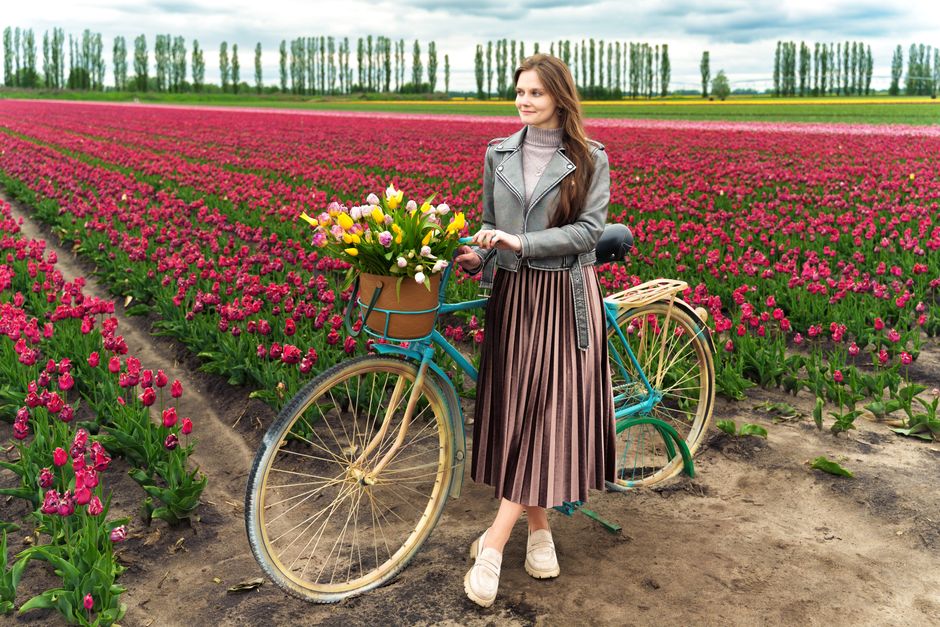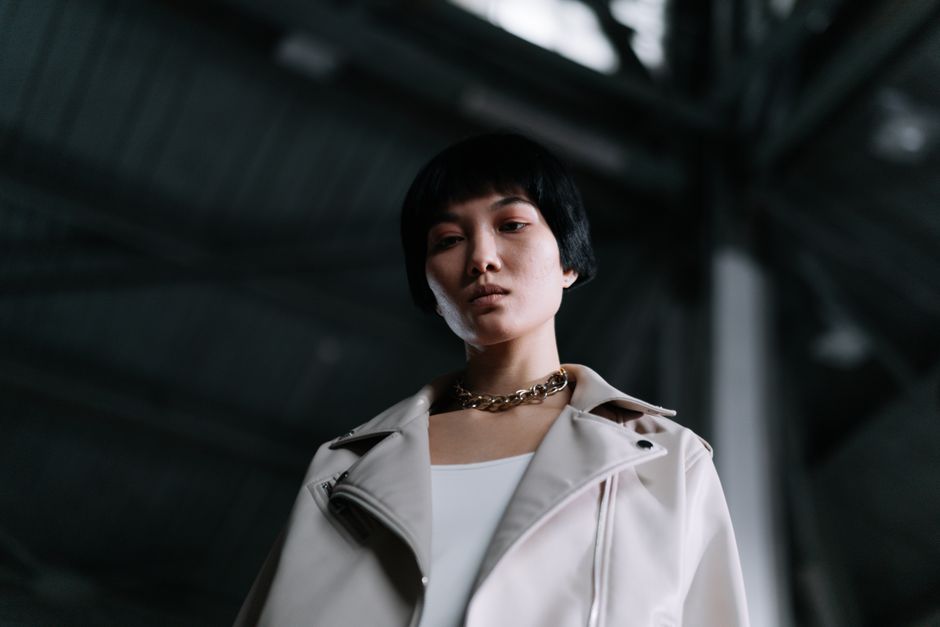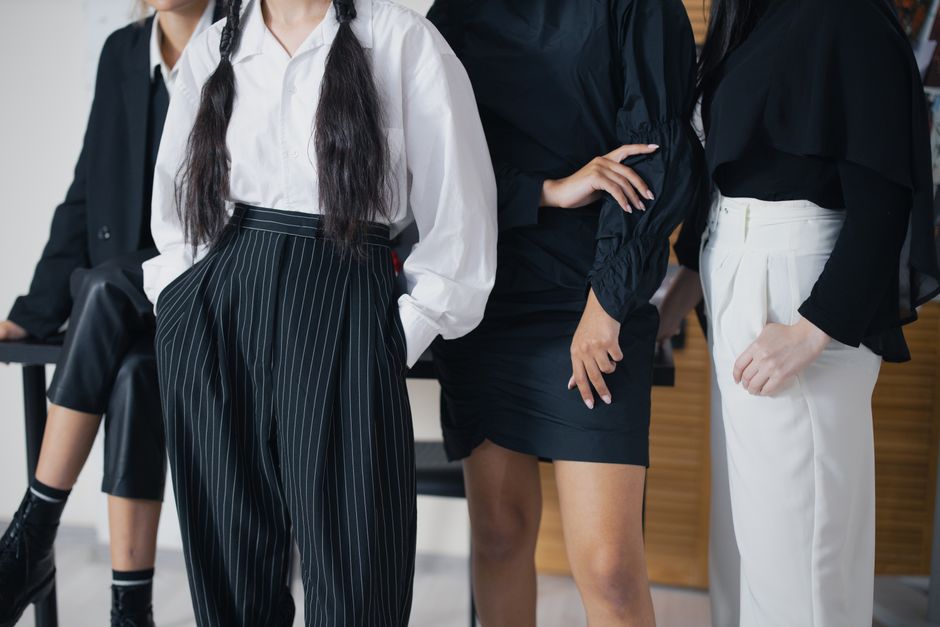
The strongest interview outfit does not compete with your answers. It shows care, fits the workplace, and lets you move through the meeting without adjusting a sleeve or worrying about a hemline. In 2026, polished interview dressing means choosing the right level of structure rather than copying one rigid suit formula.
What Should Women Wear to a Job Interview?
Choose tailored separates in a quiet color before reaching for trend-led pieces. A navy blazer, straight-leg trouser, fine-gauge knit, and closed-toe shoe form the most dependable base because they work across industries and look composed in person and on camera. This outfit also gives you room to adjust the level of formality: add a silk blouse for a formal employer, or swap in a clean crew-neck sweater for a relaxed creative office.
Start with a two-piece foundation
Use one structured layer and one clean bottom. Navy, charcoal, black, deep brown, and muted olive photograph well and rarely distract from your face. The Theory Good Wool blazer is a useful reference point for proportion: its classic tailored shape shows how a jacket should sit close to the shoulder without pulling across the chest. A less expensive option can follow the same lines. The goal is not the label; it is a smooth front, a defined shoulder, and enough room to sit comfortably for an hour.
Pick one focal detail
Keep the outfit memorable through one controlled detail, such as a burgundy belt, a fine watch, small gold earrings, or a softly patterned blouse. Avoid combining a bright jacket, statement necklace, large logo, and dramatic shoe. Interview clothing should support your professional identity, not ask the interviewer to decode your styling choices. For most office interviews, a $150 planning budget for a Sam Edelman Hazel pump or a similar low-to-mid heel gives you a polished option without requiring a luxury purchase.
Use the test-sit rule
Before interview day, sit in the complete outfit for 20 minutes. Check that the jacket stays closed, the trouser hem does not climb above the ankle, and the blouse does not gap. For a clear verdict, navy or charcoal separates are the best choice for a first interview because they handle formal, business-casual, and hybrid settings with the fewest changes.
Suit or Separates: Which Interview Outfit Looks More Professional?
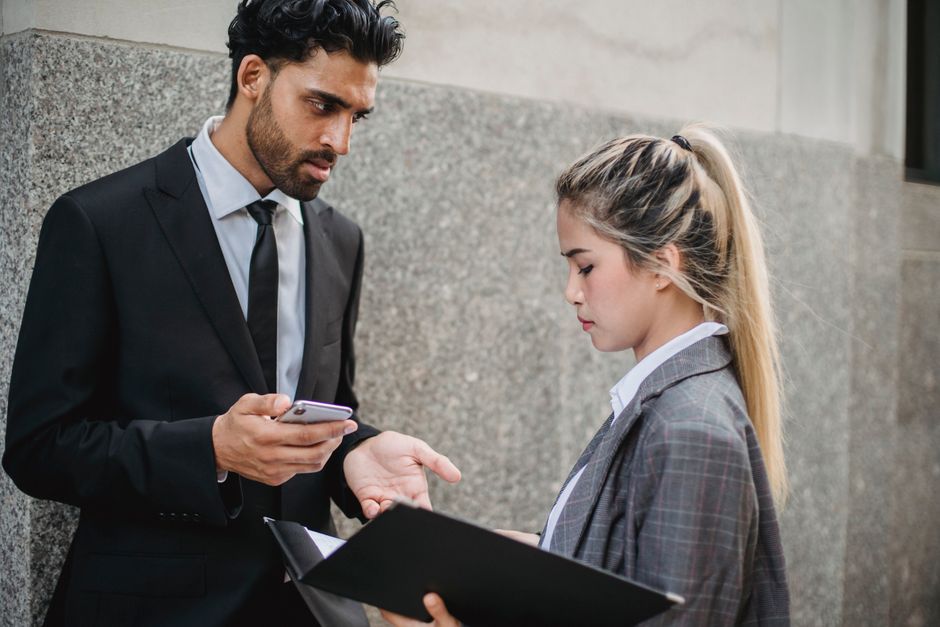
A matching suit remains the safest option when the employer is formal, senior, conservative, or unclear about its dress code. Separates win when the company has a relaxed office or when you want to look polished without appearing over-dressed. The difference is not simply color. Matching fabric, clean pressing, and balanced proportions decide whether the outfit looks intentional.
| Interview setting | Best outfit formula | Recommended shoe | Verdict |
|---|---|---|---|
| Law, finance, consulting | Matching navy or charcoal blazer and trouser with a blouse | Leather pump, 2 to 3 inches | Choose the suit |
| Corporate office | Tailored blazer, straight trouser, fine knit or blouse | Low pump or polished loafer | Choose either |
| Creative agency | Blazer with wide-leg trouser or refined midi skirt | Pointed flat or block heel | Choose separates |
| Retail or fashion role | Modern tonal outfit with one current detail | Clean boot, loafer, or flat | Show taste carefully |
| Video interview | Solid top, structured shoulder, modest neckline | Optional, but dress fully | Prioritize the frame |
When a matching suit is the better call
Wear a suit if the job involves clients, money, legal decisions, public-facing leadership, or a formal uniform of dark tailoring. A matching jacket and trouser reduce guesswork and communicate that you understood the room before entering it. Keep the blouse simple and skip a high-contrast print.
When separates look sharper
Separates work better when the employer values creativity, product knowledge, design, or a relaxed team culture. Pair a structured jacket with a column of similar tones underneath. Spanx The Perfect Pant, often planned at about $148, is a useful example of the clean, pull-on trouser shape that can work under a longer blazer. The key is to avoid visibly casual details such as drawstrings, distressed fabric, athletic sneakers, or a thin cardigan.
Bottom line: wear a matching suit when the dress code is formal or unknown; choose coordinated separates when the workplace rewards modern ease.
How Should an Interview Outfit Fit and Move?
Fit matters more than brand, fabric cost, or trend value. An inexpensive garment that sits correctly will look more credible than a designer piece that pulls, collapses, or needs constant attention. Interview clothing has to work while you stand, sit, shake hands, reach for a chair, and carry a folder. That makes movement a real part of professional presentation.
Check the shoulder and bust
The shoulder seam should end where your shoulder ends. If it drops down the arm, the jacket looks borrowed. If it sits inside the shoulder, the sleeve will twist and restrict movement. Button the jacket once and lift both arms forward. The fabric can show a small amount of tension, but the button should not pull into a star-shaped crease. If you have a fuller bust, try a hidden snap or a jacket with a slightly lower button position instead of sizing up until the shoulders become too wide.
Set the trouser break
For straight or tapered trousers, aim for a slight break at the shoe or a clean ankle finish. A hem that puddles on the floor looks careless; a hem that stops several inches above the ankle can read casual unless the entire outfit supports that choice. Wide-leg trousers need enough length to cover most of the shoe while leaving the toe visible. The waistband should stay flat when you sit. If it rolls, pinches, or leaves a deep mark after ten minutes, choose another size or cut.
Protect comfort without looking casual
Wear the exact undergarments, shoes, and hosiery you plan to use. Walk up stairs, sit in a hard chair, and place your arms on a desk. Test sheer fabrics under office lighting, especially pale white or cream blouses. Avoid new shoes that have not been worn indoors, because a limp caused by blisters changes your whole presence. You do not need a stiff outfit. You need clothing that stays in place so your attention remains on the conversation. The best fit is the one you stop noticing after five minutes.
How Do You Dress for Different Interview Dress Codes?
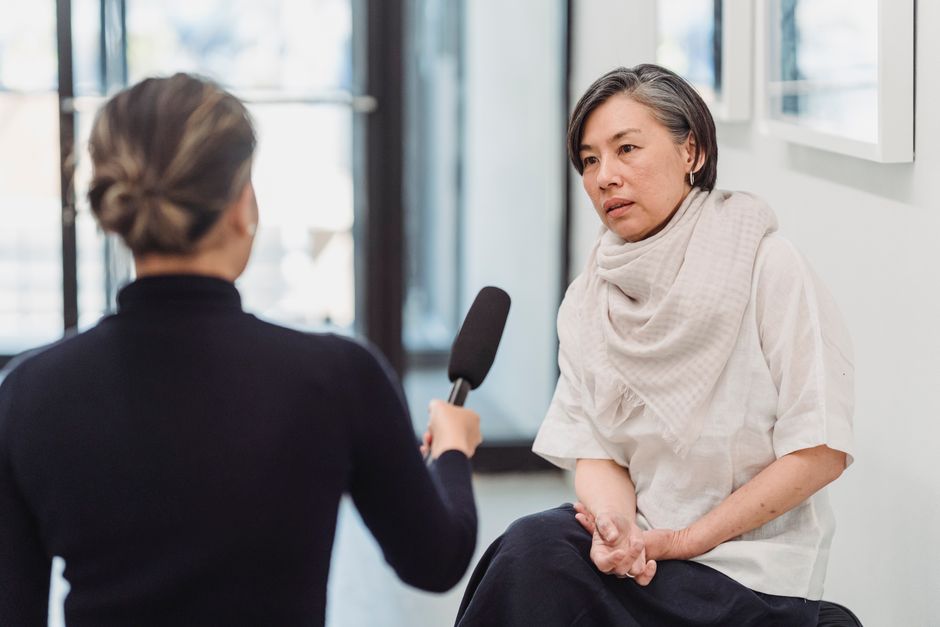
Read the job listing, study the company website, and look at recent employee photos if they are available. Then dress one step more polished than the everyday office norm. Use these four formulas as a practical decision path.
- Business formal: Wear a matching trouser suit or a restrained skirt suit, a tucked blouse, closed-toe leather shoes, and minimal jewelry. Keep the palette dark or muted. A jacket should remain on for the opening conversation.
- Business professional: Pair a tailored blazer with trousers or a knee-covering skirt, then add a blouse or fine knit. A low block heel, loafer, or pointed flat works. Choose structure in at least one layer.
- Business casual: Combine a polished knit with ankle trousers, a midi skirt, or dark, unembellished denim only when the company clearly allows it. Add a blazer if the outfit begins to feel like weekend clothing.
- Creative or fashion workplace: Show judgment through shape, color, or texture, but keep the outfit easy to read. A tonal brown look, sculptural earring, or modern loafer communicates taste more effectively than several loud trends at once.
Do not confuse relaxed with careless
Even a casual employer expects clean clothing, controlled proportions, and good grooming. Avoid wrinkled linen, gym shoes, crop tops, visible bra straps, slogans, and anything that requires repeated adjustment. The relaxed office is a reason to soften the tailoring, not remove standards.
Prepare for a dress-code mismatch
If you arrive and everyone is wearing jeans, your blazer will not ruin the meeting. Remove it after introductions if the setting feels clearly informal. If the office is more formal than expected, keep the jacket on and let the neutral outfit do its work. The winning rule is one level above ordinary workwear, not three levels above it.
What Details Make Professional Interview Attire Look Current in 2026?
Modern does not mean noticeable. The best update for 2026 is a cleaner silhouette: a slightly longer blazer, a straight or softly wide trouser, a refined flat, and a restrained color accent. Skip micro-trends that may look dated or uncomfortable by the time you reach the interview.
Use proportion instead of decoration
A longer blazer over a slim trouser creates a calm vertical line. A shorter jacket works with a high-waisted wide-leg trouser, but the waist must remain smooth and the hem must be tailored to the shoe. A midi skirt can look just as professional as trousers when it falls below the knee, does not cling, and allows a full stride. These proportion choices update a basic outfit without turning it into a costume.
Choose shoes for the actual commute
For a long train ride or city walk, a pointed flat such as Rothy’s The Point, often budgeted around $159, can look deliberate with a trouser suit. For a formal office, a modest pump gives stronger structure. A block heel is usually more practical than a thin stiletto because it stays stable on sidewalks and office floors. The best shoe is the one you can walk in at a normal pace.
Keep accessories quiet and intentional
Carry a medium structured tote or slim portfolio, not an overloaded shopper. Remove noisy charms and visible brand graphics. Limit jewelry to two or three pieces. A watch, small earrings, and one ring are enough. If your outfit already has texture, keep the accessories smooth. If the clothes are plain, one interesting material, such as brushed metal or pebbled leather, adds depth without pulling focus from your face.
My clear recommendation: update the shape, not the volume. A longer jacket and better trouser hem will make a stronger impression than a fashionable but distracting accessory.
Interview Attire Questions Women Still Ask
Can women wear a dress to an interview?
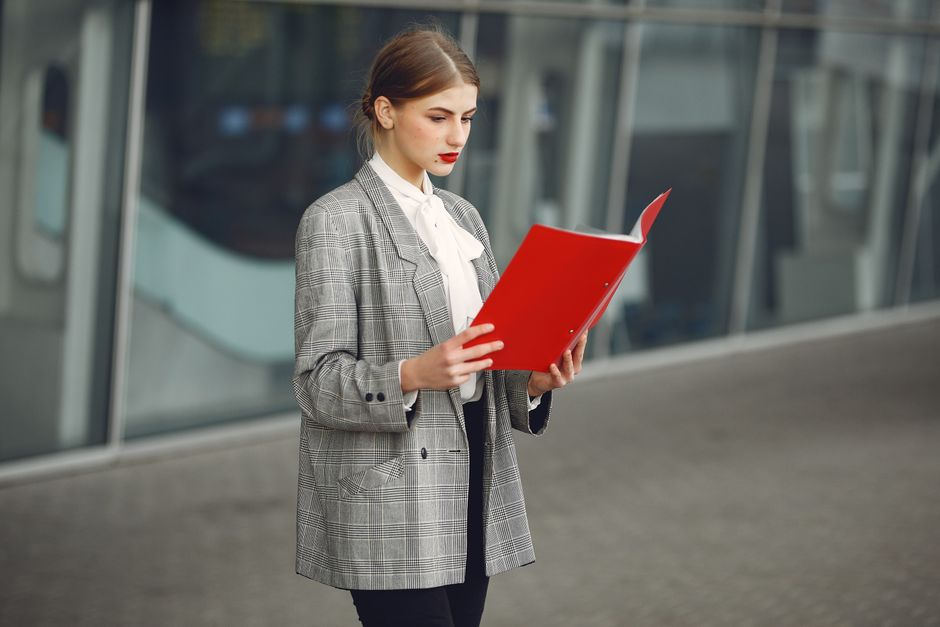
Yes. Choose a sheath, shirt dress, or knit dress with a modest neckline, opaque coverage, and a hem around the knee or midi length. Add a blazer if the employer is formal or the dress feels too soft on its own. Avoid thin jersey that clings, short hemlines that ride up, and prints that create visual noise on camera. A dress is the best choice when you prefer one-piece dressing and can sit comfortably without checking the hem.
Are jeans acceptable for an interview?
Only when the employer clearly operates in a casual or creative setting. Choose dark, clean denim with no fading, distressing, whiskering, or cropped raw hem. Pair it with a blazer, refined blouse, and polished loafer. For a first interview with an unknown dress code, trousers remain the safer choice because denim can look too relaxed before you understand the office culture.
What should women wear to a summer interview?
Choose lightweight wool, crepe, cotton poplin, or a lined blend instead of transparent linen or clingy jersey. Keep the shoulders covered if the workplace is formal, and carry the jacket into the building even if you remove it outside. Bare legs may work in a relaxed office, but sheer hosiery gives a more finished result in conservative settings. Breathability matters, yet sweat marks and wrinkling can undermine an otherwise sharp outfit.
What should women wear to a remote interview?
Dress from head to toe, even when the camera shows only your shoulders. A structured shoulder, solid color, and neckline that sits well inside the frame are more useful than a busy pattern. Place the camera at eye level and check the outfit under the same light you will use for the call. The final verdict is simple: select clothing that looks calm, fits securely, and lets your answers carry the weight of the meeting.