You got the invitation. You’re excited. Then you stare at your closet for 45 minutes and realize you own nothing that says “I’m happy for you” without screaming “look at me.”
Wedding guest dressing is a specific skill. Too casual and you stick out in photos. Too formal and you’re competing with the bridal party. Too sexy and you get the side-eye from grandma. The sweet spot exists, but most young women miss it because they either buy the first thing they see or borrow a dress that was designed for someone ten years older.
This article walks through the real constraints — dress code, venue, season, your body type — then names specific dresses that solve the problem without breaking your budget. No generic advice. No “wear what makes you feel confident.” Specific names, prices, and reasons.
Why Most Young Women Pick the Wrong Dress
The biggest mistake isn’t picking an ugly dress. It’s picking a dress that belongs at a different event entirely.
Problem one: treating every wedding like prom. Floor-length sequins, plunging necklines, thigh-high slits — that works for a black-tie evening wedding in December. It looks ridiculous at a 2 PM garden ceremony in June. Young women tend to overcorrect toward “fancy” because they think formal means more fabric and more shine. It doesn’t.
Problem two: dressing for Instagram, not for dancing. That bodycon dress with the cutouts photographs great in your bedroom mirror. After three hours of sitting, standing, eating, and attempting the electric slide, you’ll hate it. Wedding dresses need to function for 6-10 hours of real life.
Problem three: ignoring the venue entirely. A barn wedding demands different fabric than a ballroom. An outdoor ceremony in July means you need breathable material or you’ll sweat through your dress before the vows end. Young women often buy a dress they saw online without asking “does this make sense for where I’ll be standing?”
The fix is simple: match your dress to three things — the dress code on the invitation, the venue, and the season. In that order. If the invitation says “cocktail,” that’s your starting point. If it says “black tie optional,” you can go longer but don’t need to go full gown.
Quick reality check: If you’re between 18 and 30 and attending a wedding where most guests are your age, the safe zone is a midi or knee-length dress in a solid color or subtle print. Satin, crepe, or lightweight linen. Nothing too shiny, nothing too sheer, nothing that requires constant adjustment.
The Five Silhouettes That Work for Young Wedding Guests
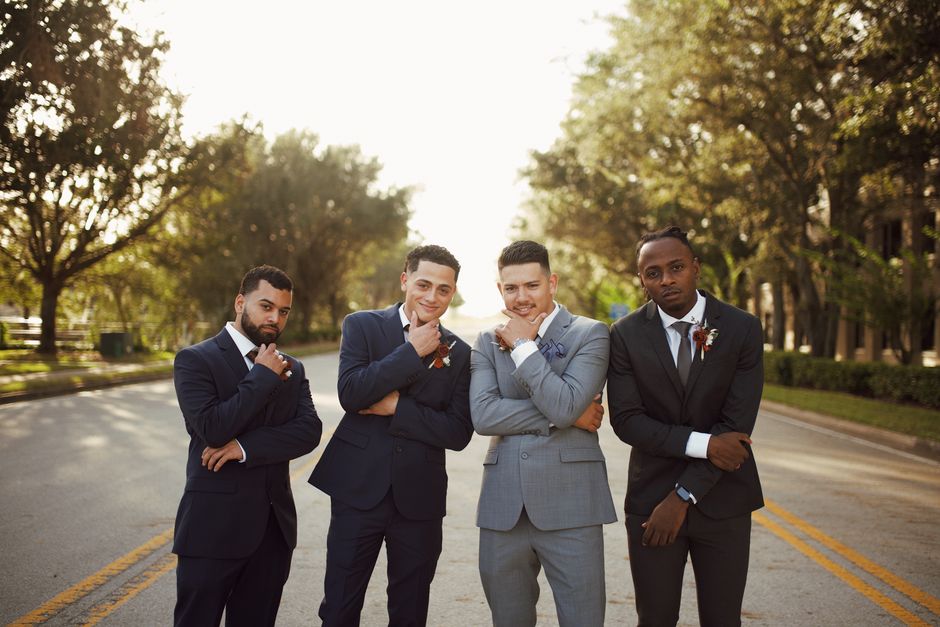
Not every dress shape works for every body, but five silhouettes consistently perform well across venues, dress codes, and age groups. Here’s what they are, who they flatter most, and where they fit best.
Slip Midi Dress
The slip midi is the MVP of young wedding guest dressing. It’s simple, elegant, and works for cocktail, semi-formal, and even black-tie optional if the fabric is luxe enough. Brands like Reformation (the Ginny dress, $248) and Lulus (the Good Together slip dress, $58) make versions that sit at the right length — above the ankle but below the knee.
Best for: hourglass and rectangle body shapes. The bias cut skims curves without clinging. Works for spring, summer, and fall weddings. Pair with block heels and a small clutch.
Verdict: If you only buy one dress this season, make it a slip midi in a saturated color like emerald, burgundy, or cobalt. It’s the single most versatile option.
A-Line Midi Dress
The A-line is forgiving, comfortable, and reads as “put together” without trying hard. The fitted bodice and flared skirt give you room to eat and breathe. ASOS Design has a wrap-front A-line midi ($65) that comes in 15 colors. ASTR the Label makes a smocked-back version ($98) that fits a range of bust sizes without alterations.
Best for: pear and apple shapes. The waist definition flatters most body types. Suitable for garden, daytime, and casual-chic dress codes.
Fit-and-Flare Mini
If the dress code says “cocktail” and you’re under 5’4″, a mini with a fitted bodice and flared skirt keeps you from being swallowed by fabric. Show Me Your Mumu does a stretch velvet mini ($128) that works for fall and winter weddings. Lulus has a lace-trimmed fit-and-flare ($48) for summer ceremonies.
Best for: petite frames and pear shapes. Avoid if the wedding is in a conservative setting or if the couple’s families are traditional. Mini lengths draw attention, so keep the neckline modest.
Wrap Dress
The wrap dress is the cheat code. Adjustable, flattering on nearly everyone, and easy to dress up or down. Diane von Furstenberg makes the original ($328) but Reformation and ASOS offer similar styles for under $150. Look for a midi length in a silk or silk-blend fabric for a wedding-appropriate finish.
Best for: all body types, especially hourglass and rectangle. Works for every season. The wrap dress is the closest thing to a universal wedding guest solution.
Column Dress
A column dress is straight-cut, often sleeveless, and hits at the knee or mid-calf. It’s the minimalist’s choice. Banana Republic has a crepe column dress ($120) that works for office-to-wedding transitions. Mango does a ribbed knit column ($70) that’s comfortable for long receptions.
Best for: tall and straight body types. Not ideal for pear shapes unless the fabric has stretch. Works for modern, city weddings and evening events.
| Silhouette | Best For | Dress Code Match | Price Range |
|---|---|---|---|
| Slip Midi | Hourglass, rectangle | Cocktail, semi-formal | $50–$250 |
| A-Line Midi | Pear, apple | Daytime, garden, casual | $40–$150 |
| Fit-and-Flare Mini | Petite, pear | Cocktail | $45–$130 |
| Wrap Dress | All body types | Any | $70–$330 |
| Column Dress | Tall, straight | Modern, evening | $60–$120 |
Fabrics That Work (and One That Will Ruin Your Night)
Fabric choice determines whether you spend the reception comfortable or miserable. Here’s the breakdown.
Crepe is the safest bet. It drapes well, doesn’t wrinkle easily, and breathes better than polyester. Most mid-range wedding guest dresses use crepe or a crepe blend. It works for all seasons.
Satin looks luxurious but shows every bump, sweat mark, and wrinkle. If you choose satin, make sure it’s a heavier weight — cheap satin from fast fashion brands looks shiny in a bad way. Reformation uses a mid-weight satin that holds up. The $20 satin dress from a random online store will look exactly like $20 satin by hour two.
Linen is perfect for outdoor summer weddings but wrinkles the second you sit down. Accept the wrinkles or don’t wear linen. It’s a tradeoff.
Velvet works for fall and winter only. It’s warm, heavy, and photographs beautifully. Show Me Your Mumu and Lulus both have velvet options under $130.
Polyester is the fabric you want to avoid. It traps heat, doesn’t breathe, and often has a cheap sheen. If the dress description says “100% polyester” and costs under $40, assume you’ll be uncomfortable by dinner. Spend slightly more for a natural or blended fabric.
One fabric that will ruin your night: cheap stretch jersey. It’s what most “bodycon” dresses are made of. It clings, it shows every lump, it pills after one wash, and it traps body heat. Unless the dress code explicitly says “casual” and the wedding is at a backyard BBQ, skip the jersey knit.
Colors That Say Guest, Not Bridal Party
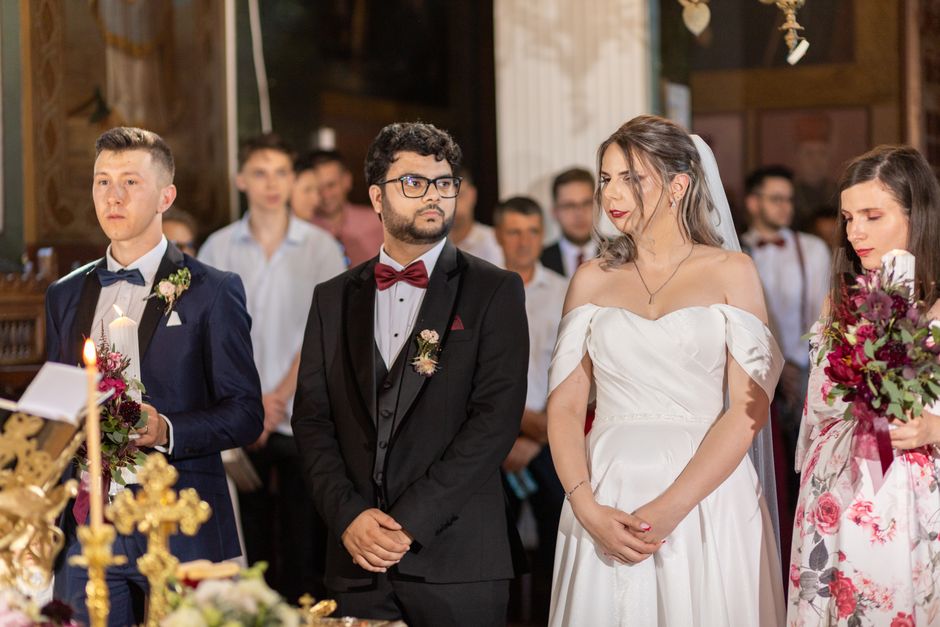
This is where young women make the most avoidable mistakes. White, ivory, champagne, and anything close to bridal white is off-limits. You know this. But the trap is blush, pale pink, and light blue — colors that photograph as white in flash photography.
Safe colors: emerald green, navy, burgundy, forest green, cobalt blue, rust, mustard, terracotta, black (if the wedding isn’t super traditional), and deep purple. These read as “guest” immediately.
Risky colors: blush, dusty rose, light pink, champagne, pale yellow, and any pastel that could be mistaken for white in dim lighting. If you’re unsure, hold the dress next to a white piece of paper. If the difference is subtle, pick another color.
Patterns work but keep them small-scale. A floral print on a dark background is fine. A large abstract print in bright colors might clash with the venue decor or other guests. Florals are the safest print choice for weddings.
Three Dresses Under $100 That Pass the Test
Not everyone wants to spend $200+ on a dress they’ll wear once. Here are three specific, real dresses that cost under $100 and genuinely work.
1. Lulus Good Together Slip Dress ($58) — This is the budget version of the Reformation slip midi. It comes in 12 colors including emerald, burgundy, and black. The fabric is a polyester-spandex blend that has enough weight to drape well. It runs true to size. Wear it with strappy heels and a simple necklace. It works for cocktail and semi-formal dress codes.
2. ASOS Design Midi Wrap Dress ($55) — A wrap dress at this price point usually looks cheap. This one doesn’t. The fabric is a viscose-crepe blend with a subtle texture that hides wrinkles. It has a tie waist and three-quarter sleeves, which makes it suitable for spring and fall weddings. Available in sizes 0-18. The navy version is the most versatile.
3. Amazon Essentials Satin A-Line Dress ($35) — I know. Amazon. But this dress has over 4,000 reviews and a 4.3-star average for a reason. It’s a simple A-line midi in satin that comes in 20+ colors. The fit is forgiving, the fabric is thicker than you’d expect at this price, and it’s machine washable. Buy the emerald or navy. Avoid the white and blush. This is the dress you wear to a wedding where you don’t know anyone and just need to show up looking appropriate.
Warning on all three: These are budget dresses. They won’t last ten years. The seams on the Amazon dress might pull after a few wears. The Lulus slip is not lined. But for a single wedding or two, they’re the best value you’ll find.
The Mistakes That Make You Look Like a Wedding Crasher
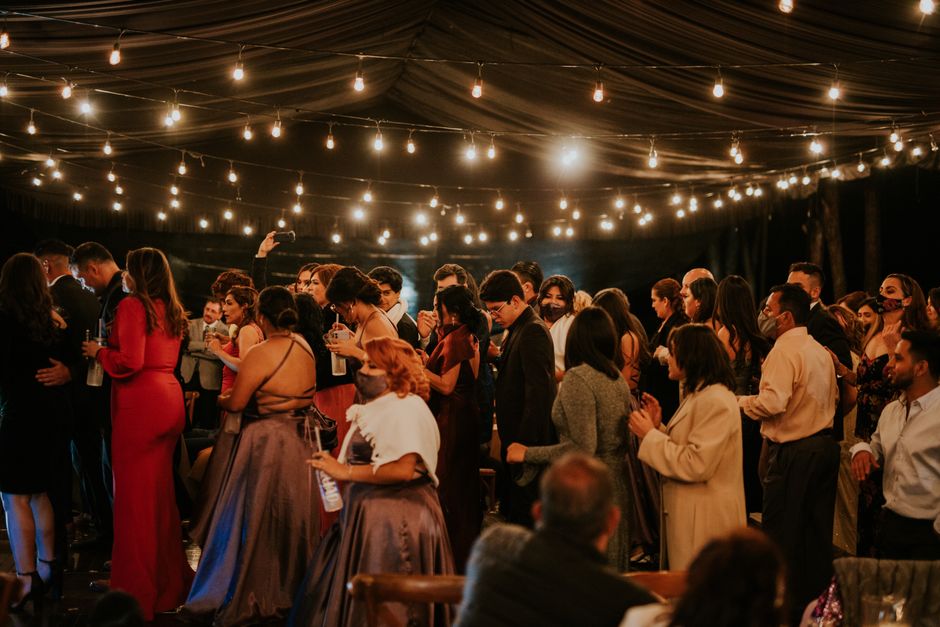
You can buy the perfect dress and still get it wrong. Here are the failure modes that separate a well-dressed guest from someone who missed the memo.
Mistake 1: Showing up in a white dress with a pattern. A white dress with red flowers is still a white dress. If the base color is white or cream, don’t wear it. Period. The bride’s mother, the photographer, and the bride herself will all notice. It doesn’t matter if “you can barely see the white.” You can. She can.
Mistake 2: Wearing a dress that’s too casual. A sundress with spaghetti straps and a floral print belongs at brunch, not a 6 PM wedding reception. If you can’t tell the difference between a casual dress and a wedding guest dress, look for these markers: thicker straps or sleeves, higher-quality fabric, and a defined waist or structure. If it looks like something you’d wear to the grocery store, it’s too casual.
Mistake 3: Over-accessorizing. Young women tend to add a necklace, earrings, bracelet, hair accessory, and a clutch. That’s too much. Pick one statement piece — earrings or a necklace, not both — and keep everything else minimal. The dress should be the focus.
Mistake 4: Wearing the wrong shoes. Stilettos on grass. Open-toe heels at a winter wedding. White shoes when you’re not the bride. Each of these is a small mistake that adds up to “she didn’t think this through.” Match your shoes to the venue and season, not just the dress.
Mistake 5: Not checking the dress code. The invitation says “black tie.” You show up in a mini dress. Or it says “casual” and you’re in a floor-length gown. The dress code exists for a reason. Read it. Follow it. If there’s no dress code listed, semi-formal or cocktail is the safe default for evening weddings, and garden party or sundress is the safe default for daytime.
When to Spend More and When to Save
Not every wedding guest dress needs to be expensive. But some situations justify a higher spend.
Spend more ($150–$300) if:
- You’re in the wedding party or a close family member. You’ll be in formal photos and need a dress that photographs well.
- The wedding is black tie. Cheap dresses look cheap under chandeliers.
- You’ll wear the dress again. A silk slip midi from Reformation or a wrap dress from DVF can be worn to future weddings, work events, or date nights. The cost-per-wear drops fast.
Save (under $100) if:
- You’re a plus-one who doesn’t know the couple well. You won’t be in many photos.
- The wedding is outdoors or in a casual venue. A $58 Lulus dress will look fine at a barn or backyard wedding.
- You’re between sizes or expecting weight fluctuations. Don’t invest in a dress that might not fit next year.
The one thing never to cheap out on: tailoring. A $200 dress that fits perfectly looks better than a $600 dress that’s two inches too long. Budget $20–$40 for hemming if the dress needs it. It’s the highest-return investment you can make.
Your single most important takeaway: pick a midi-length dress in a saturated color with a defined waist, avoid polyester and white, and spend your money on fit, not brand.