Most fashion brands still treat sizes 14+ as an afterthought. A separate section. A limited drop. A “curvy” line that ends at size 22. That’s not inclusive sizing. That’s a marketing checkbox.
Inclusive sizing means offering the same quality, style, and fit across a range from XXS to 4X or beyond. It means not charging more for larger sizes. It means designing for bodies, not for a sample size 2 mannequin.
Here’s the hard truth: the fashion industry is years behind consumer demand. And the brands that get this right are pulling ahead fast.
What Inclusive Sizing Actually Means (and What It Doesn’t)
Let’s kill the confusion. Inclusive sizing is not just “adding a few plus sizes.” It’s a complete rethinking of fit, grading, and production.
The Grading Problem
Most brands grade up from a size 2 base. That means a size 16 is just a blown-up version of a size 2. Shoulders don’t scale that way. Hips don’t. Arms don’t. This produces garments that fit like tents or squeeze in weird places.
Universal Standard solves this by grading from a size 10 base. Their sizes run 00-40. Good American does the same. Result: a size 20 pair of jeans from these brands actually fits a size 20 body, not a stretched size 2.
The Price Problem
Brands charge more for plus sizes. “More fabric.” That’s the excuse. But a size 2 dress uses about 1.5 yards. A size 22 dress uses about 2.2 yards. Fabric cost difference: maybe $3. Brands charge $15-30 more. That’s profit, not cost.
Old Navy was one of the first to equalize pricing across all sizes. Their Go-Dry leggings cost $15 regardless of size. No markups for larger bodies. That’s inclusive sizing in practice.
The Data: What Shoppers Actually Want
This isn’t about feelings. It’s about money.
| Metric | Data Point |
|---|---|
| Average US woman’s dress size | 16-18 |
| % of women who wear size 14+ | 67% |
| % of brands offering size 20+ | ~30% |
| Revenue growth for inclusive brands (2026-2026) | +40% vs +12% for non-inclusive |
| % of shoppers who leave a brand due to limited sizing | 55% |
ASOS saw this early. Their ASOS Curve line covers sizes 14-28 and is one of their highest-grossing categories. Fashion Nova built an empire on inclusive sizing by offering every style in sizes XS-3X at the same price point. No separate section. No asterisk.
Common Mistakes Brands Make (and Why They Fail)
I’ve seen brands launch “inclusive” lines that bomb. Here’s why.
Mistake 1: Treating it as a capsule. A 12-piece “extended size” collection twice a year isn’t inclusive. It’s a PR stunt. Shoppers want the same 50+ styles available in straight sizes, in their size. Universal Standard drops full collections every season, not just a handful of basics.
Mistake 2: Bad fit. If the size 24 jeans don’t fit right, the customer won’t come back. Ever. Fit is non-negotiable. Brands that skip fit testing on real bodies across the size range fail. Good American tests every style on 50+ women across sizes 00-24 before launch.
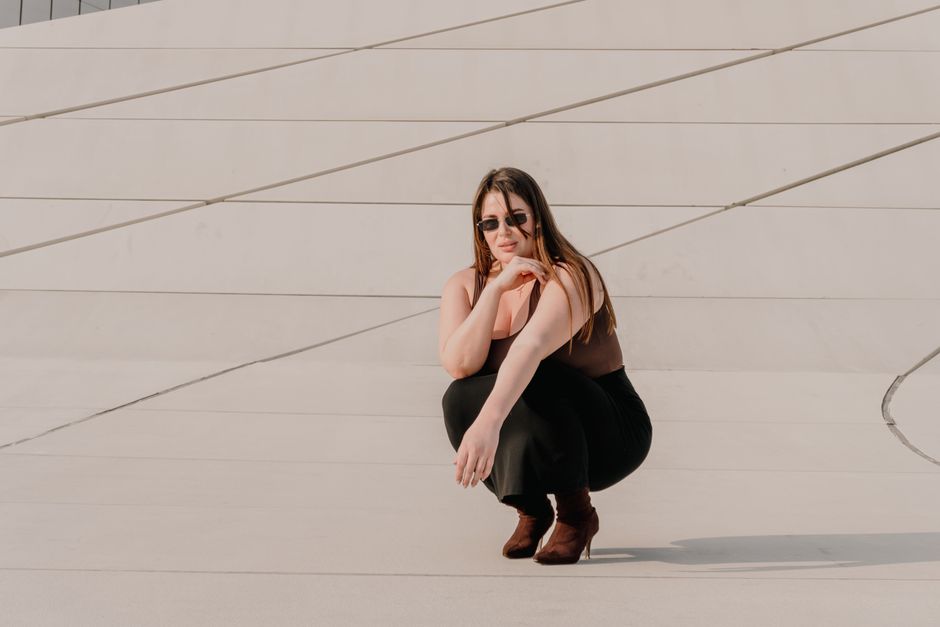
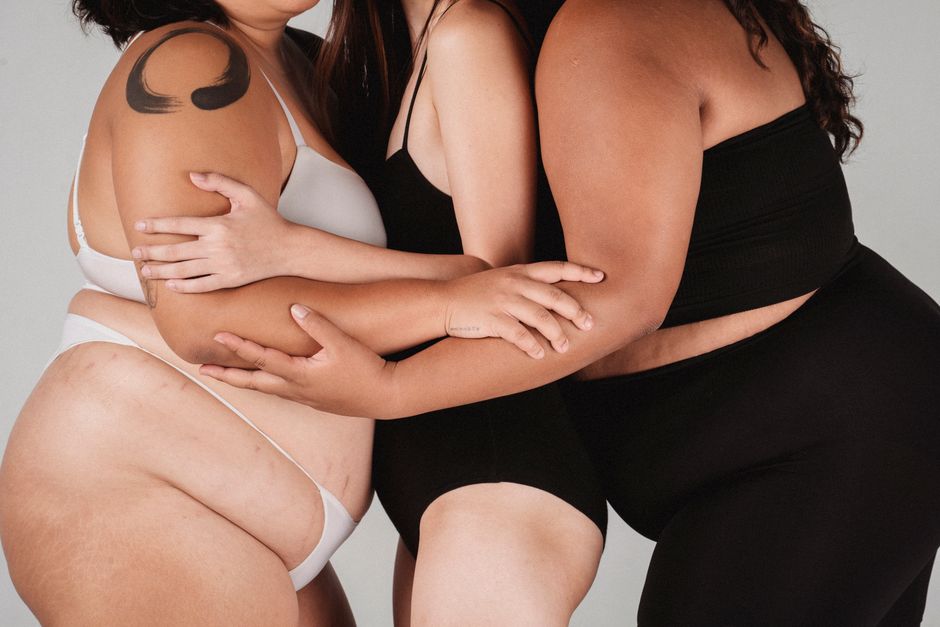
Mistake 3: Bad marketing imagery. Showing plus-size models only in the “plus size” section, while straight-size models get the homepage. It telegraphs: “You’re a niche.” Aerie fixed this by showing all sizes together in every campaign. No separate sections.
When Not to Buy: The “Inclusive” Trap
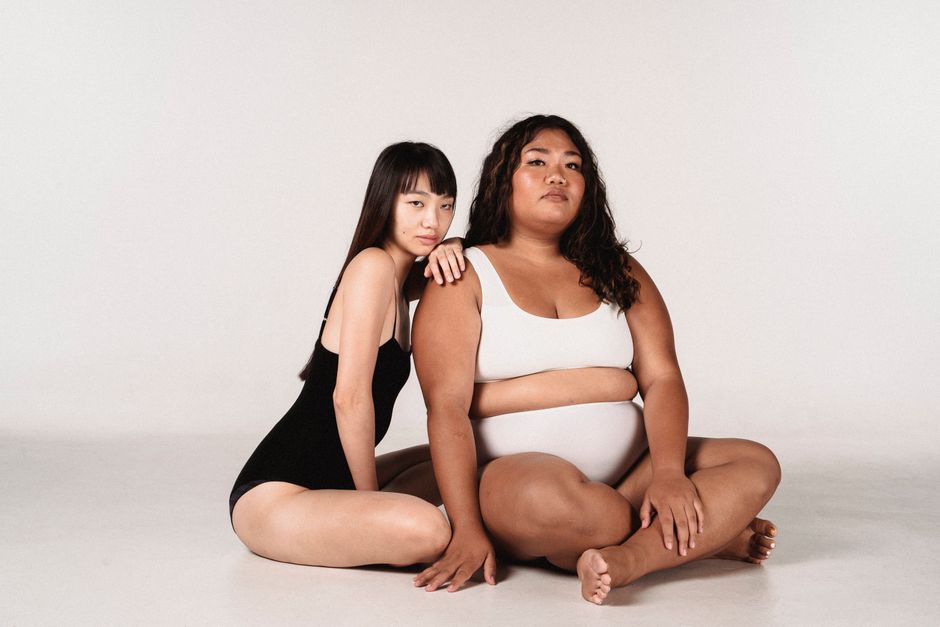
Not every brand claiming inclusive sizing deserves your money. Here’s how to spot the fakes.
Red flag 1: The brand offers sizes up to 3X but only in black basics. No prints. No trendy silhouettes. They’re hedging. Shein does this — massive size range, but the trendy pieces often stop at 1X or 2X.
Red flag 2: Prices jump at size 14. If a dress costs $50 in size 6 and $70 in size 18, they’re not inclusive. They’re upcharging.
Red flag 3: No customer photos on the product page for sizes above 14. If you can’t see what the dress looks like on a size 20 body, skip it.
Instead, buy from brands that put their sizing data in the open. Universal Standard publishes exact garment measurements for every size. Everlane now does the same for their extended sizes. Transparency = trust.
How to Shop Inclusively (and Make Your Wardrobe Work)
You don’t have to wait for the industry to catch up. Here’s how to build a wardrobe that fits you now.
Step 1: Know your measurements. Not your “size” at one brand. Your actual bust, waist, hip, and inseam in inches. Brands fit differently. Universal Standard size 16 fits like Old Navy size 14. Check the size chart every single time.
Step 2: Prioritize stretch and structure. Fabrics with 2-5% elastane (cotton-spandex blends, ponte knits) fit more bodies better than rigid denim or woven cotton. Spanx pants use 4-way stretch that adapts to your shape. Levi’s Plus line uses stretch denim that holds its shape across sizes.
Step 3: Tailor, don’t settle. A $30 tailor can fix a $100 dress that’s almost perfect. Shorten sleeves. Take in the waist. It’s cheaper than buying a new wardrobe. This is how you make any brand work for your body.
The Verdict: Inclusive Sizing Is the New Standard
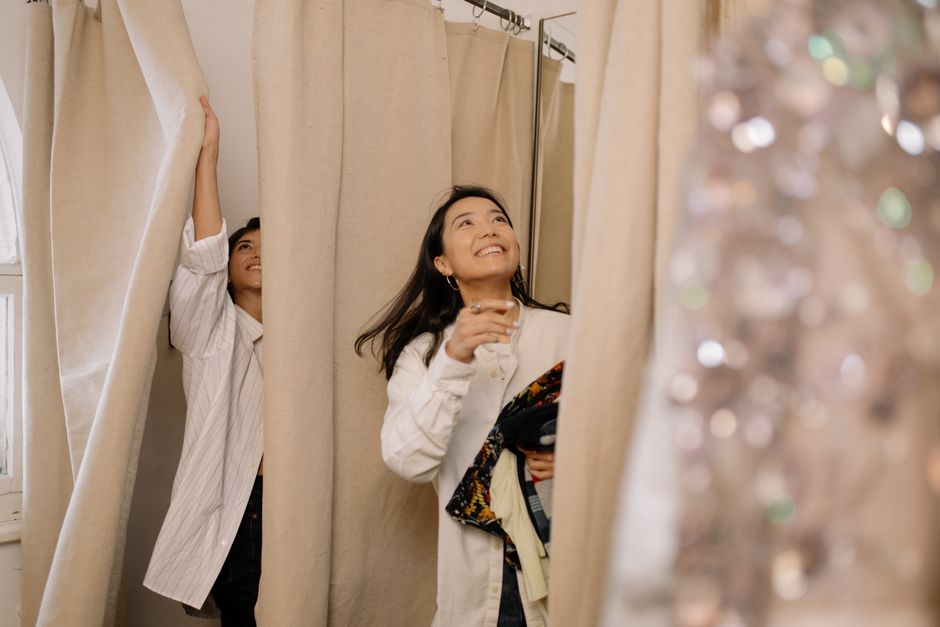
Here’s where I land.
If you’re a size 14+, Universal Standard is the best investment for core wardrobe pieces. Their jeans ($98) and tees ($28) fit better than anything else at the price point. Good American wins for denim with stretch and style. Old Navy wins for budget basics that don’t penalize larger sizes.
If you’re a brand reading this: stop treating inclusive sizing as a side project. It’s 2026. The average woman is a size 16. Design for that body from the start. Grade from a size 10. Equalize pricing. Show real women in your ads. The data is clear — this is where the market is going.
Inclusive sizing isn’t charity. It’s good business. And it’s the only way forward.