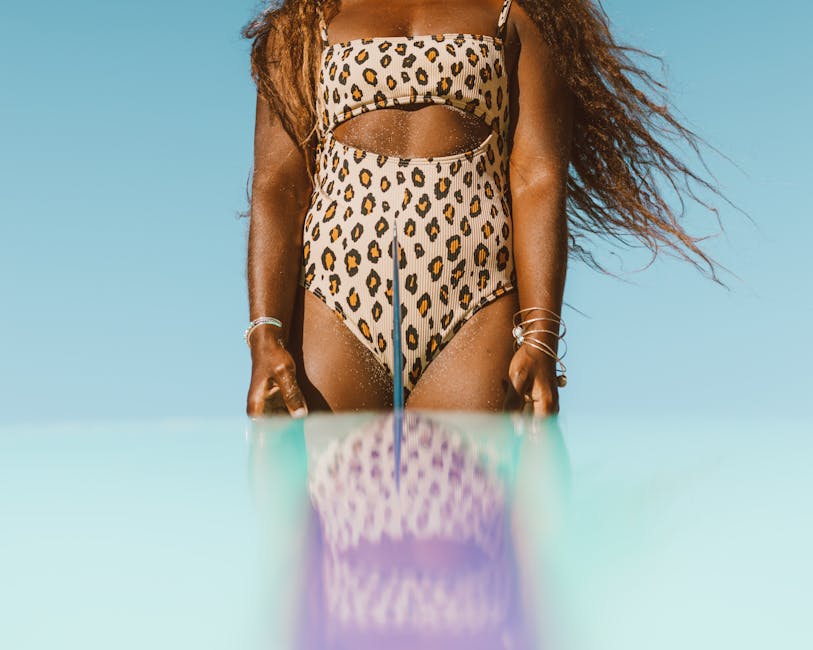
The thought of swimwear often brings a mix of excitement and apprehension. For many, the concern about thigh coverage can overshadow the joy of a beach day or pool outing. You want to feel comfortable and confident, not constantly adjusting or feeling exposed. It’s a common feeling, making the search for the right swimsuit feel more like a mission than a shopping trip. The good news is that numerous swimwear designs specifically address this need, blending style with strategic coverage.
Finding swimwear that offers confidence-boosting thigh coverage involves understanding different styles, fabric technologies, and design elements. This guide cuts through the noise, detailing the most effective options available. We focus on what works, why it works, and how to choose the best fit for your comfort and style preferences. No more dreading swimsuit season; instead, you’ll be ready to embrace it with ease.
Understanding Thigh Coverage Styles
Effective thigh coverage in swimwear comes in several primary forms, each with distinct advantages. These styles are designed not only to conceal but also to flatter, offering varied levels of modesty and support. The key is to know your options and how they differ.
Swim dresses, for example, are a popular choice. They resemble a traditional dress, extending down the thigh. Many feature an attached brief or short underneath, ensuring full coverage and comfort during movement. Brands like Speedo offer swim dresses in their ‘Powerflex Eco’ line, often incorporating chlorine-resistant fabrics that maintain shape over time. These styles provide a cohesive, polished look, ideal for those who prefer a more dressed-up feel by the water.
Skirted bottoms, often paired with tankini tops or bikini tops, offer similar benefits but with more versatility. These bottoms come in various lengths, from mini skirts that just graze the upper thigh to longer styles reaching closer to the knee. A brand like Land’s End, with its ‘Beach Living’ collection, frequently features swim skirts in diverse prints and solid colors. The attached briefs ensure security, while the skirt provides the desired coverage. This two-piece approach allows for mixing and matching, giving you more control over your overall look.
Board shorts and swim shorts provide a sportier, often more relaxed approach to thigh coverage. Board shorts typically have a longer inseam, often 5 to 7 inches, and a looser fit. They are designed for active wear, quick drying, and offer substantial coverage. Swim shorts, on the other hand, can be slightly shorter and sometimes feature a more tailored fit. Athleta’s ‘Lycra Xtra Life’ swim shorts are a good example, offering both style and durability. These options are excellent for those who prioritize movement and a modern aesthetic.
Swim Dresses vs. Skirted Bottoms
The choice between a swim dress and a skirted bottom largely depends on personal preference for one-piece versus two-piece functionality. Swim dresses offer a streamlined, all-in-one solution, often incorporating tummy control panels or bust support. This creates a cohesive silhouette. Skirted bottoms, however, provide flexibility. You can pair them with various tops, allowing for greater customization and easier bathroom breaks. Both provide excellent thigh coverage, but the delivery differs significantly in terms of overall garment structure.
Board Shorts and Swim Shorts
For an active lifestyle or a casual aesthetic, board shorts and swim shorts are invaluable. Board shorts, typically made from polyester or nylon, are quick-drying and designed for surfing or general water sports. Their relaxed fit and longer inseam (often 5-7 inches) provide comprehensive thigh coverage. Swim shorts can be more fitted, sometimes with a 3-inch inseam, offering a balance between athletic function and a slightly shorter profile. Brands like Athleta excel in developing comfortable, functional swim shorts that maintain their shape and coverage through repeated use.
High-Waisted Briefs and Retro Styles
While not providing full thigh coverage in the same way a skirt or short does, high-waisted briefs offer significant upper thigh and hip coverage. Many retro-inspired designs feature a higher leg cut but a robust, full-coverage rear and hip area. Paired with a peplum top or a longer tankini, these can create an optical illusion of longer legs while still providing comfort around the upper thigh. The focus here is on shaping and confidence through a structured, often vintage-inspired, silhouette rather than direct length coverage.
Fabric Technology for Shaping and Support

Beyond style, the fabric itself plays a crucial role in how swimwear looks and feels, especially regarding coverage and shaping. Modern swimwear textiles incorporate advanced features. High-quality blends of nylon and spandex, for instance, offer excellent stretch and recovery, meaning the garment holds its shape and provides compression where needed. This compression gently smooths and supports, contributing to a more confident feel. Quick-drying properties are also essential for comfort, preventing chafing and allowing for a seamless transition from water to land activities.
Best Swimwear Fabrics for Thigh Coverage: A Comparison
The material composition of a swimsuit significantly impacts its ability to provide shaping, support, and longevity. Certain fabric blends are superior for thigh coverage due to their compression, opacity, and durability.
| Fabric Type | Key Characteristics | Benefit for Thigh Coverage | Common Brands/Styles |
|---|---|---|---|
| Nylon/Spandex Blends | High elasticity, excellent shape retention, moderate compression. Often 80% Nylon, 20% Spandex. | Provides gentle compression to smooth and sculpt the thighs without feeling restrictive. Opaque when wet. | Miraclesuit (e.g., ‘Sanibel’ one-piece), Speedo (Endurance+), many premium brands |
| Polyester/PBT Blends | Highly chlorine resistant, durable, low water absorption, good color retention. | Maintains shape and compression over time, even with frequent pool use. Prevents sagging that can expose more thigh. | Speedo (Powerflex Eco), TYR (Durafast Elite), chlorine-resistant active swimwear |
| Lycra Xtra Life | Enhanced chlorine and UV resistance, superior stretch and recovery. Resists bagging and sagging. | Ensures the fabric maintains its supportive fit around the thighs and hips, preventing loosening or riding up. | Athleta (various swim shorts), Land’s End (tankini bottoms), many fashion swim brands |
| Recycled Polyester (Eco-friendly) | Sustainable option, often combined with spandex for stretch. Varies in texture and compression. | Offers an environmentally conscious choice without sacrificing coverage or shape retention when blended correctly. | Patagonia, prAna, some Athleta styles |
For optimal thigh coverage, look for fabrics with a high spandex content (15-25%) for shaping, or specialized blends like Lycra Xtra Life or Endurance+ for long-term shape retention. These materials are engineered to support and maintain their structure, ensuring consistent coverage.
Selecting the Right Length and Rise

The specific dimensions of your chosen swimwear play a significant role in how much thigh coverage you achieve. It’s not just about the style, but the exact cut and measurement. Understanding these specifics can drastically improve your comfort and confidence.
When considering swim skirts, pay attention to the inseam or skirt length. A short swim skirt might offer an inseam of 1.5 to 2 inches, providing minimal upper thigh coverage. A mid-length skirt, often 4 to 6 inches, extends further down, offering more substantial coverage. Some brands even offer knee-length swim skirts, providing maximum modesty. For example, a Land’s End swim skirt might come in lengths ranging from 14 to 18 inches, measured from the waist.
Board shorts and swim shorts also vary widely in length. Traditional board shorts often feature an inseam between 5 and 7 inches, sitting comfortably above the knee. Athletic swim shorts can have a shorter 3-inch inseam, designed for maximum mobility, while still covering the upper thigh. Longer versions, with an 8-inch or even 10-inch inseam, resemble traditional walking shorts and offer extensive coverage. Brands like Athleta and Speedo clearly state these inseam lengths in their product descriptions, allowing for precise selection.
The rise of a bottom also impacts perceived thigh coverage, especially around the hip crease. High-rise bottoms, which sit at or above the natural waist, can elongate the leg line while keeping the hip and upper thigh area securely contained. A moderate or low-rise bottom, conversely, might cut across the widest part of the hip, which some find less flattering or less secure. Pairing a high-waisted brief with a longer tankini top, where the top extends past the brief’s leg opening, provides an extra layer of visual coverage without adding bulk.
- Measure your desired length: Use a measuring tape to determine exactly how far down your thigh you want coverage. Compare this to the stated inseam or skirt length of specific styles.
- Consider the activity: Shorter shorts (3-inch inseam) are great for active swimming, while longer skirts or board shorts (5-7 inch inseam or 14-inch skirt length) provide more coverage for lounging or casual beach walks.
- Check the leg opening: Ensure the leg opening of shorts or briefs is not too tight, which can create an unflattering bulge, or too loose, which can compromise coverage during movement.
- Opt for adjustable features: Some swim skirts or dresses feature adjustable side ties, allowing you to customize the length and ruching for personalized thigh coverage.
Achieving Balance: Design Elements That Flatter
The most effective swimwear doesn’t just cover; it flatters. Strategic design elements can draw the eye, create shape, and enhance your overall silhouette, all while providing the thigh coverage you desire. It’s about using visual tricks to your advantage.
Ruching, the gathering of fabric, is a powerful tool for shaping. When applied strategically to the midsection or hips, it creates a forgiving texture that camouflages and smooths. For thigh coverage, a swimsuit with ruching along the sides or across the hips of a swim skirt can be incredibly effective. This detail breaks up the visual line, making the area appear more sculpted and less defined. Brands like Miraclesuit are masters of this, often integrating sophisticated ruching into their one-piece swimsuits and swim dresses, ensuring both style and shaping power.
Pattern and color also play a critical role. Dark, solid colors tend to have a slimming effect, while bold patterns can draw the eye upward, away from the thighs. A swimsuit with a vibrant pattern on the bust and a solid dark bottom can achieve this visual redirection. Similarly, vertical stripes or subtle diagonal patterns can create a lengthening effect. Avoid large, horizontal patterns on the lower half if your goal is to minimize the look of your thighs. A patterned tankini top paired with a solid black swim short or skirt is a classic and effective combination.
Necklines and embellishments also contribute. A V-neckline or a statement necklace can draw attention to the décolletage and face, diverting focus from the lower body. Similarly, tasteful embellishments like a small buckle or a pop of color on the shoulder straps can strategically guide the eye. It’s about creating a harmonious overall look where every element contributes to your confidence.
Strategic Ruching and Draping
Ruching is the ultimate illusionist in swimwear. By gathering fabric in specific areas, it creates texture that disguises and sculpts. For thigh coverage, look for swimsuits where ruching extends from the hip area down the side of a skirt or along the front of a dress. This technique breaks up any perceived bulk and provides a smoother, more defined line. Brands like Miraclesuit are renowned for their use of proprietary fabric and strategic ruching, often providing up to “10 pounds lighter in 10 seconds” shaping. The draping effect of well-placed ruching can also add an elegant, flowing quality to the fabric, enhancing comfort and visual appeal.
Pattern Play for Visual Effect
Patterns can be powerful allies in creating flattering swimwear. The goal is to use them to guide the eye. Consider swimsuits with darker, solid panels on the sides or bottom half, paired with a vibrant or intricate pattern on the top half. This creates an hourglass silhouette and draws attention upwards. Vertical patterns, even subtle ones, can elongate the body, making the thighs appear leaner. Avoid large, high-contrast patterns directly on the thighs if you aim to minimize their appearance. Instead, opt for smaller, more dispersed prints or solid colors on the lower half to create a streamlined look.
Your Beach Day, Reimagined
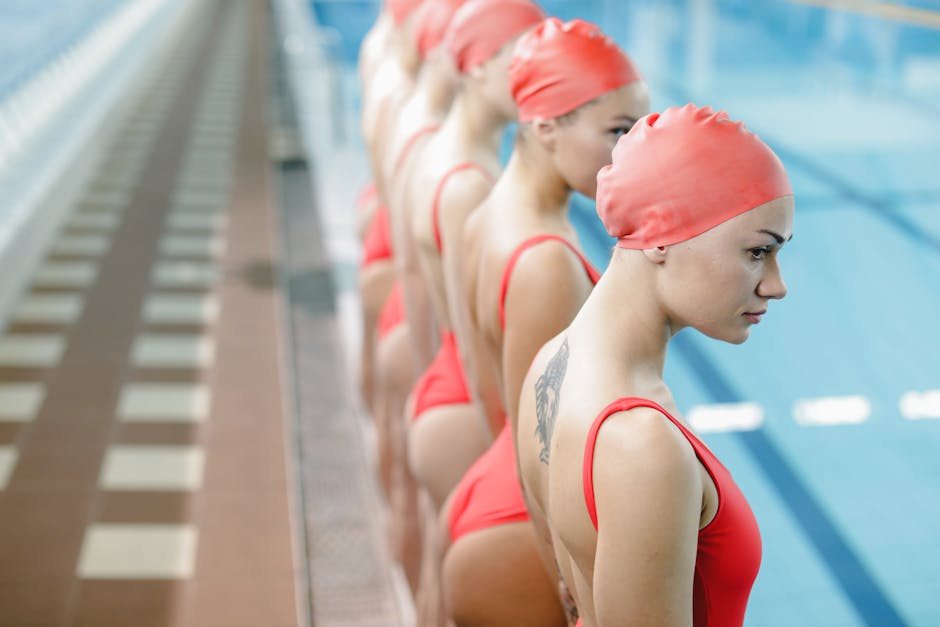
No longer does the thought of swimwear need to bring apprehension. By understanding the specific styles like swim dresses, versatile skirted bottoms, and comfortable board shorts, you have a wealth of options. Modern fabric technologies offer both shaping and durability, while strategic design elements like ruching and pattern placement work to flatter. With these choices, you can select swimwear that truly meets your needs for thigh coverage, stepping onto the sand or by the pool with unwavering confidence. Your beach days are now about comfort, style, and enjoying the moment, free from concern.