How to Maintain a Stylish, Allergy-Friendly Home with the Right Air Purifier
Imagine walking into a beautifully decorated living room, sunlight streaming through sheer curtains, a vase of fresh-cut flowers on the coffee table… and absolutely no sneezing. For many of us with allergies, that dream feels impossible. But creating a stylish and allergy-friendly home is entirely achievable with the right strategies and tools. The key is to minimize allergens without sacrificing your aesthetic.
Understanding Common Household Allergens

Before we get into design tips and product recommendations, let’s quickly review the usual suspects lurking in our homes:
- Dust mites: These microscopic creatures thrive in bedding, carpets, and upholstered furniture.
- Pet dander: Shed skin cells from cats, dogs, and other furry friends.
- Pollen: Carried indoors on clothing, shoes, and through open windows.
- Mold spores: Flourish in damp areas like bathrooms and basements.
- Smoke and pollutants: From cooking, candles, fireplaces, and outdoor sources.
Each of these allergens can trigger a range of symptoms, from sneezing and itchy eyes to more severe respiratory issues. Minimizing exposure is crucial, and that’s where our interior design choices come into play.
Flooring Choices: A Foundation for Allergy Control
Carpeting, while cozy, is an allergen magnet. It traps dust mites, pet dander, and pollen like nothing else. If you’re serious about creating an allergy-friendly space, consider these alternatives:
- Hardwood: A classic and elegant choice that’s easy to clean. Choose sealed hardwood to prevent moisture absorption.
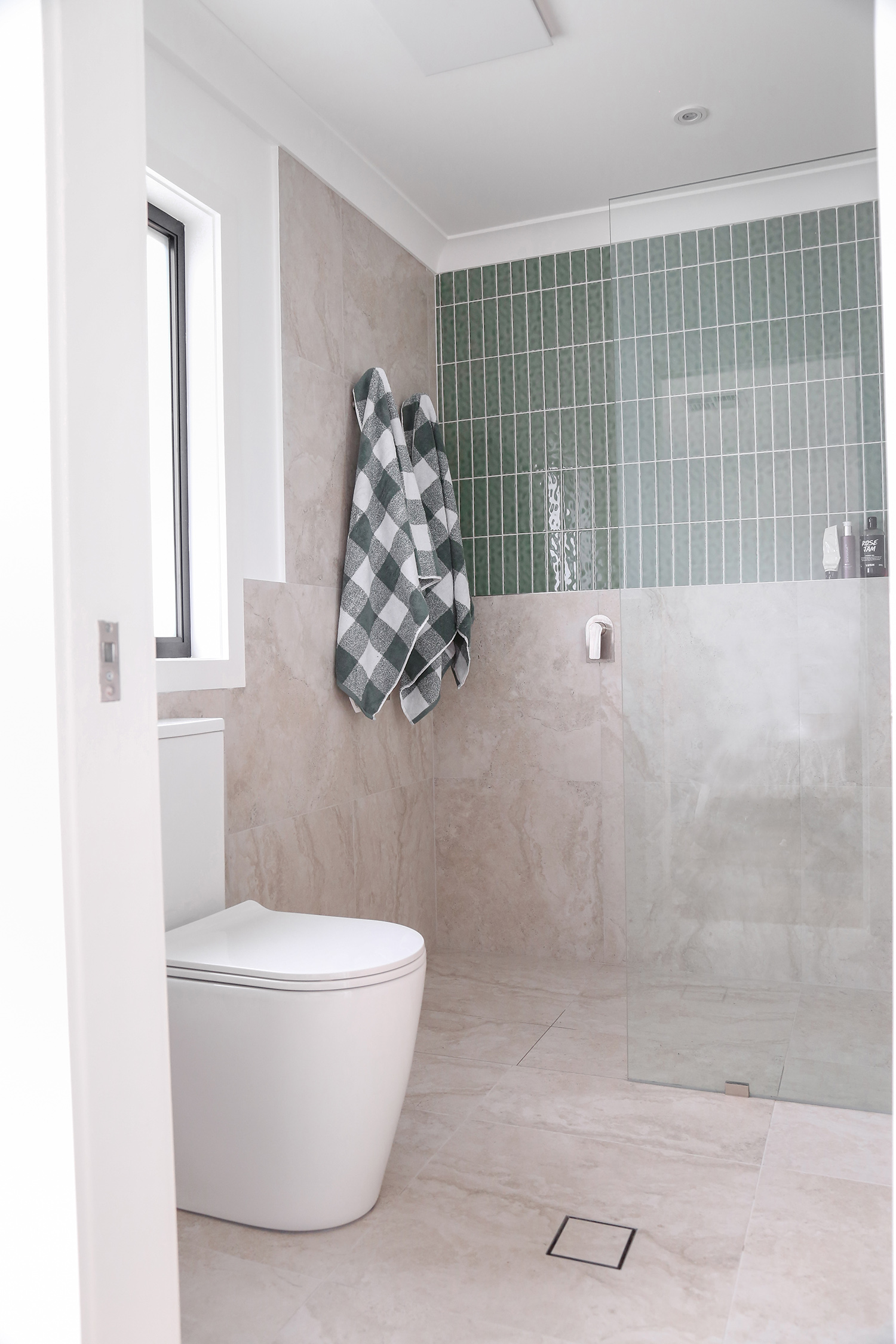
- Tile: Durable and water-resistant, making it ideal for kitchens and bathrooms.
- Laminate: A budget-friendly option that mimics the look of hardwood or tile.
- Cork: A sustainable and naturally antimicrobial choice.
If you can’t bear to part with your carpets, opt for low-pile varieties and vacuum them frequently – ideally with a vacuum cleaner equipped with a HEPA filter. Area rugs that can be easily washed are also preferable.
Furniture Fabrics: Choosing Allergy-Friendly Materials
Just like flooring, furniture fabrics can harbor allergens. When selecting sofas, chairs, and other upholstered pieces, prioritize these materials:
- Leather: A smooth, non-porous surface that’s easy to wipe clean.
- Microfiber: Tightly woven synthetic fabric that resists dust mites.
- Canvas: A durable and washable option for slipcovers.
Avoid fabrics like velvet, which attract and hold onto dust. For bedding, choose hypoallergenic materials such as cotton, silk, or Tencel. Wash bedding weekly in hot water (at least 130°F) to kill dust mites.
Decluttering for a Cleaner, Healthier Space
Clutter not only looks messy but also provides hiding places for dust mites and other allergens. Regularly declutter your home to minimize these havens.
- Reduce Knick-Knacks: Minimize the number of decorative items on shelves and tables. These items collect dust and are time-consuming to clean.
- Organize Closets: Keep closets tidy and well-ventilated to prevent mold growth.
- Simplify Surfaces: Keep countertops and other surfaces clear to make cleaning easier.
Consider using storage containers to keep items organized and dust-free. Opt for clear containers so you can easily see what’s inside.
Air Purification: The Ultimate Allergy Defense
Even with the best design choices, allergens will inevitably find their way into your home. That’s where a high-quality air purifier becomes essential. An air purifier with a HEPA filter can remove up to 99.97% of airborne particles, including dust mites, pet dander, pollen, mold spores, and smoke.
Introducing the Pet Air Purifier Large Home 4200 sq ft
For comprehensive air purification in larger spaces, consider the Pet Air Purifier Large Home 4200 sq ft. With a 4.6/5 rating based on 309 reviews, this air purifier is designed to tackle even the most stubborn allergens. It boasts a 7-stage filtration system, including an H13 HEPA filter, anion generator, and activated carbon filter. This combination effectively removes pet hair, dander, odors, smoke, dust, and other pollutants. The activated carbon filter is especially crucial for capturing volatile organic compounds (VOCs) released from furniture, paint, and cleaning products. With its ability to cover up to 4200 sq ft, it’s ideal for large living rooms, open-concept spaces, or entire apartments.
This purifier is also equipped with smart features, including app control, allowing you to monitor and adjust settings remotely. It operates with zero ozone emissions, ensuring safe and healthy air quality. The machine has multiple fan speeds, including a sleep mode, which operates at a whisper-quiet level (around 24dB). The auto mode intelligently adjusts fan speed based on real-time air quality readings, making it a true set-and-forget solution for maintaining a clean and healthy home environment. The dimensions are 15.75 x 15.75 x 31.5 inches, and it consumes approximately 55 watts at its highest setting.
You can Check availability on Amazon.
Complementary Air Purification: The Pet Air Purifier for Home Large Room 2500 sq ft
For smaller rooms or as a supplemental air purifier, consider the Pet Air Purifier for Home Large Room 2500 sq ft. This unit, rated 4.3/5 with over 700 reviews, features a washable double-sided filter, making maintenance easier and more cost-effective. It also includes an H13 HEPA filter and monitors PM2.5 air quality, providing real-time feedback on air purity. While its coverage area is smaller (2500 sq ft), it’s still a powerful option for bedrooms, home offices, or nurseries. It provides many of the same benefits as the larger model, including odor reduction, allergen removal, and smoke filtration, but at a lower price point.
Window Treatments: Balancing Light and Allergen Control
Window treatments can significantly impact air quality. Heavy drapes, while aesthetically pleasing, tend to trap dust. Opt for these alternatives:
- Roller shades: Easy to clean and available in a variety of fabrics and colors.
- Roman shades: Offer a more tailored look and can be made from washable materials.
- Plantation shutters: Provide excellent light control and are easy to wipe down.
If you prefer curtains, choose lightweight, washable fabrics like cotton or linen. Wash curtains regularly to remove accumulated dust and pollen.
Indoor Plants: Adding Beauty and Air Purification (Carefully)
While some indoor plants can help purify the air, others can trigger allergies. Choose plants that are known to be low-allergen, such as:
- Peace Lily (Spathiphyllum): Filters common household pollutants.
- Snake Plant (Sansevieria trifasciata): Converts carbon dioxide to oxygen at night.
- Spider Plant (Chlorophytum comosum): Removes formaldehyde and xylene.
Avoid plants with high pollen counts, such as ragweed and goldenrod. Keep plant soil free of mold by using well-draining soil and avoiding overwatering. Clean plant leaves regularly to remove dust.
Humidity Control: Preventing Mold Growth
Maintaining optimal humidity levels is crucial for preventing mold growth. Mold thrives in damp environments, so aim for a humidity level between 30% and 50%. Use a dehumidifier in damp areas like bathrooms and basements. Ensure proper ventilation in kitchens and bathrooms to reduce moisture build-up.
Cleaning Practices: A Regular Routine for Allergen Control
Regular cleaning is essential for minimizing allergens. Here are some key cleaning practices:
- Vacuum Regularly: Use a vacuum cleaner with a HEPA filter to trap dust mites, pet dander, and pollen. Vacuum carpets, rugs, and upholstered furniture at least once a week.
- Dust Frequently: Use a damp cloth to dust surfaces. Dry dusting can simply spread allergens into the air.
- Wash Bedding Weekly: Wash bedding in hot water (at least 130°F) to kill dust mites.
- Clean Bathrooms Regularly: Clean bathrooms to prevent mold growth. Use a mold and mildew cleaner to remove any existing mold.
- Control Pests: Pests like cockroaches and rodents can trigger allergies. Take steps to control pests in your home.
Using hypoallergenic cleaning products can further reduce allergen exposure. Look for products that are fragrance-free and contain natural ingredients.
Creating an Allergy-Friendly Bedroom Oasis
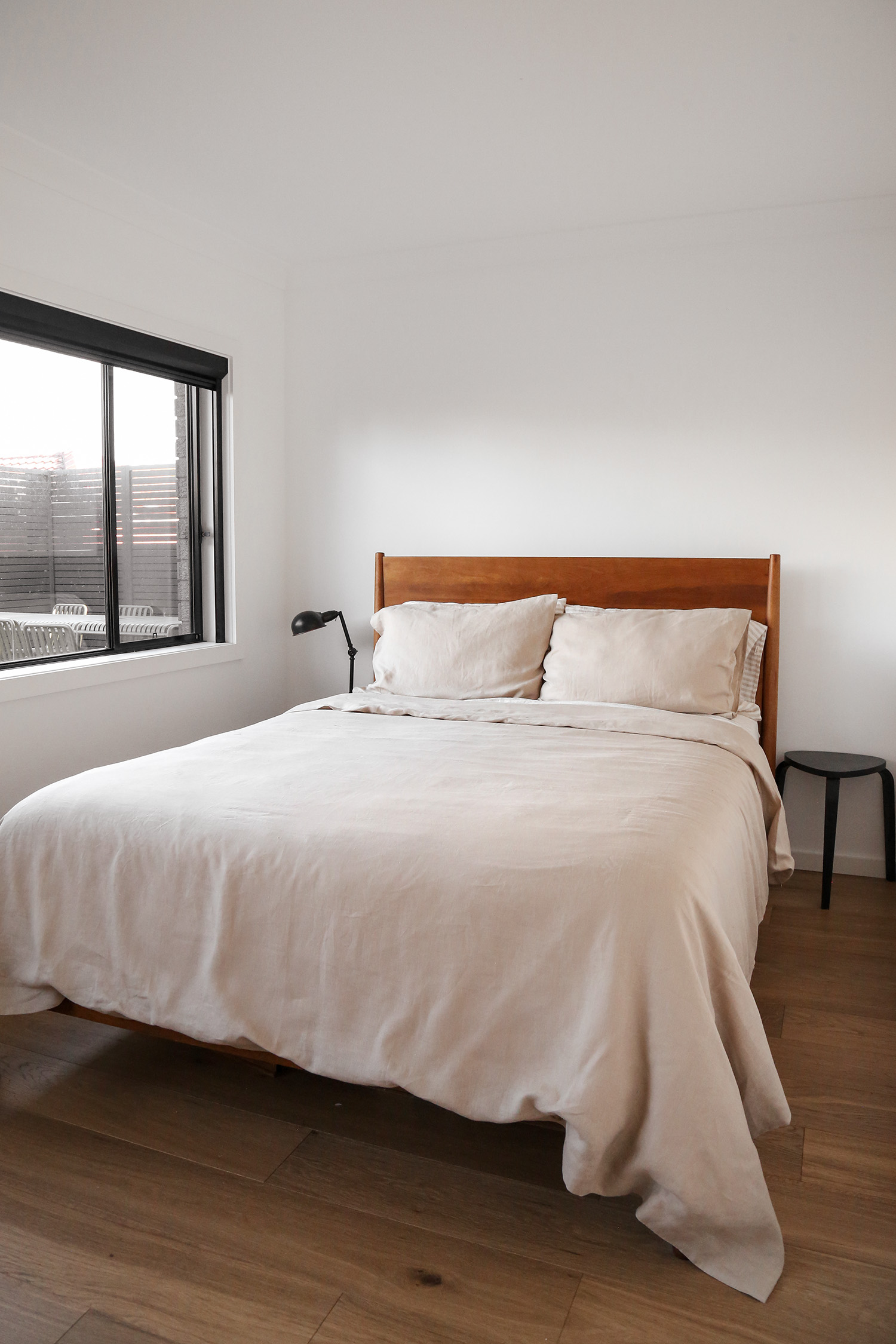
Since we spend a significant portion of our lives sleeping, creating an allergy-friendly bedroom is paramount. Here are some specific tips for the bedroom:
- Encase Mattresses and Pillows: Use allergen-proof encasements on mattresses and pillows to prevent dust mites from colonizing.
- Choose Hypoallergenic Bedding: Opt for cotton, silk, or Tencel bedding.
- Keep Pets Out of the Bedroom: If possible, keep pets out of the bedroom to reduce exposure to pet dander.
- Use an Air Purifier: Place an air purifier in the bedroom to remove airborne allergens.
- Minimize Clutter: Keep the bedroom free of clutter to reduce dust accumulation.
A clean and well-ventilated bedroom can significantly improve sleep quality and reduce allergy symptoms.
You can See current deal on the Pet Air Purifier Large Home 4200 sq ft to ensure you are breathing the cleanest air while you rest.
Beyond the Basics: Advanced Strategies
For those with severe allergies, consider these advanced strategies:
- Professional Cleaning: Hire a professional cleaning service to deep clean your home.
- Air Duct Cleaning: Clean air ducts to remove accumulated dust and allergens.
- Allergy Testing: Consult an allergist to identify specific allergens and develop a personalized treatment plan.
By implementing these strategies and investing in the right tools, such as the Check price on Amazon, you can create a stylish and allergy-friendly home that’s both beautiful and healthy. Remember, consistency is key. Regular cleaning, decluttering, and air purification will make a significant difference in your overall well-being.
Achieving a home that’s both aesthetically pleasing and gentle on your allergies requires a conscious effort and smart choices. By focusing on allergen-resistant materials, regular cleaning practices, and effective air purification, you can create a haven that’s as stylish as it is healthy. The key is finding the right balance between your design preferences and your allergy management needs. With a little planning and the right products, you can enjoy a beautiful, comfortable, and allergy-friendly living space in 2026.