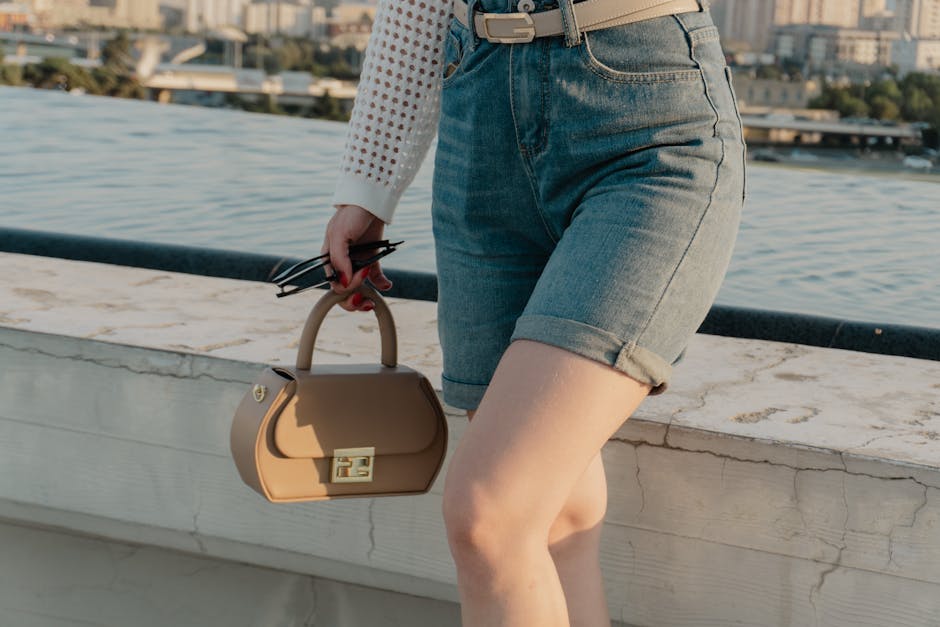
Let’s cut right to it. After years, and I mean *years*, of trying every short under the sun, from cheap department store finds to the most expensive boutique brands, I have my definitive list. Most shorts out there are just… okay. Some are downright bad. But a few stand head and shoulders above the rest. These are the shorts I consistently reach for, the ones that have proven their worth through countless workouts, travel days, and lazy weekends since 2026.
I’ve learned to spot the marketing hype from real performance. Don’t waste your money on anything that doesn’t hit these marks: comfort, durability, and versatility. I’m going to tell you exactly what works, what doesn’t, and why.
My All-Time Favorite Everyday Short: The Rhone Mako
If you only buy one pair of shorts based on my advice, make it the Rhone Mako. I’m talking about the 7-inch unlined version. This short is my undisputed champion for almost any activity that isn’t formal. Gym, travel, running errands, lounging, even a casual walk around town – it handles everything with grace. I’ve owned multiple pairs for years, and they still look fantastic. Other brands claim versatility, but the Mako actually delivers.
Why the Mako Wins on Fabric: GOLDFUSION Tech
The secret sauce here is Rhone’s proprietary GOLDFUSION anti-odor technology. Seriously, it works. I can get three or four wears out of these shorts between washes during summer travel. That’s a huge deal when you’re packing light. The fabric itself is a blend of polyester and spandex, making it incredibly soft, stretchy, and quick-drying. It feels substantial without being heavy, and it drapes well, avoiding that flimsy look some athletic shorts have. It resists wrinkles like a champ too, which is another win for travel.
Sizing, Fit, and Price Point
The Mako typically runs true to size. I wear a Large, which is my usual. The fit is athletic but not restrictive. It has enough room in the thighs for movement without looking baggy. The waistband is comfortable, never digging in, and the drawstring stays tied. You get a secure zippered back pocket, which is essential for keys or a wallet, plus two standard hand pockets. Pricewise, they usually retail for around $78. Yes, that’s more than a basic gym short, but consider it an investment. The durability and versatility mean you’re effectively buying three shorts in one.
My Experience: Daily Wear and Durability
I rotate between three pairs of Mako shorts. One pair I’ve had since late 2025, and it’s still going strong. No pilling, no fading, and the anti-odor tech hasn’t quit. I’ve put them through countless washes, hikes, flights, and HIIT sessions. They dry fast if I get caught in the rain, and they don’t chafe. For me, the Mako short embodies what a truly great, everyday performance short should be: comfortable, reliable, and practically indestructible.
Why Lululemon Pace Breakers Aren’t My First Pick
Okay, this is where I might get some pushback, but hear me out. For years, the Lululemon Pace Breaker was *the* go-to short for a lot of guys, myself included. They were comfortable, well-made, and came in a decent range of colors. But honestly, my preferences have shifted dramatically since 2026. While still a decent short, I no longer recommend them as a top-tier option, especially not at their price point of around $68.
The Liner Issue: Discomfort and Alternatives
My biggest gripe has always been with the liner. Most Pace Breakers come with a liner, either a brief or a compression short. For some people, this is a non-issue, or even preferred. For me, it’s a deal-breaker for everyday wear. The brief liner often feels too restrictive, especially in humid weather. It traps heat and just isn’t as comfortable as going commando or wearing a separate, well-fitting boxer brief. The compression liner is better for intense workouts, but still not ideal for casual wear. If I’m paying premium prices, I want the short to excel in its core function without compromise. For a short of this caliber, I prefer unlined options or a brief that’s genuinely comfortable, not just ‘there’.
Durability Concerns After Heavy Use
I’ve noticed a decline in the long-term durability of Pace Breakers compared to alternatives like Rhone or even some Ten Thousand shorts. My older pairs held up great. But recent ones tend to show wear faster, specifically around the seams and elastic waistband after about a year of consistent use and washing. For a short costing nearly $70, I expect it to last longer than that. Pilling, especially on the inner thighs, has also become more noticeable on the newer fabric blends. When I compare them to a Rhone Mako or even a Vuori Kore, the Lululemon shorts just aren’t holding up to the same rigorous standards I now demand.
Better Choices for Running and Training
If you’re buying a Pace Breaker specifically for running or gym training, there are better shorts out there. For pure running, I prefer lighter, split-hem shorts with minimal liners, like something from Nike or even specialized running brands. For general gym training, while the Pace Breaker is adequate, it doesn’t offer the same level of comfort or anti-odor performance as my Rhone Mako. The pockets are also a bit shallow for my liking, meaning my phone sometimes feels like it’s about to bounce out during dynamic movements. Overall, while Lululemon still makes fine activewear, the Pace Breaker no longer earns a spot in my top recommendations for a versatile, long-lasting short.
The Only Budget Shorts You Need: My Top 3 Value Picks
You don’t need to break the bank to get a decent pair of shorts, especially for the gym or casual wear. I’ve cycled through countless budget options over the years, and most fall apart or just feel cheap. But I’ve found three that consistently punch above their weight, offering solid performance without the premium price tag. These are the ones I recommend if you’re looking to stock up without remorse.
- Nike Challenger Brief-Lined 7″
This is my go-to recommendation for a dedicated running short that won’t empty your wallet. At around $35, it’s an absolute steal. The brief liner is surprisingly comfortable and supportive, unlike some of the more restrictive ones out there. The fabric is light, airy, and wicks sweat efficiently. You get a discrete back pocket for a key or card, and it doesn’t bounce around. They’re not the most stylish for casual wear, but for pounding the pavement or hitting the track, they’re fantastic. I’ve owned several pairs over the years, and they consistently perform. They come in a variety of colors, so you can easily grab a few for your rotation.
- Adidas Aeroready Woven 7″
For a versatile, unlined athletic short around the $30 mark, the Adidas Aeroready Woven short is tough to beat. The Aeroready fabric is excellent at managing moisture, keeping you dry during workouts or hot days. It’s a classic polyester weave that feels durable without being stiff. The fit is a bit looser than the Nike Challenger, making it great for gym lifting, basketball, or just kicking around the house. It has standard side pockets, which are deep enough to hold a phone securely. The branding is subtle, usually just a small logo, which I appreciate. These are workhorse shorts that I’ve seen last for years, making them a smart, economical choice.
- Target All in Motion 7″ Run Shorts
If you’re looking for the absolute best value, Target’s All in Motion brand consistently surprises me. Their 7-inch Run Shorts, usually priced around $20, are shockingly good. They often come with a brief liner that’s thin and doesn’t chafe. The fabric is a lightweight polyester with good stretch, similar to what you’d find in shorts twice the price. They wick sweat well and dry fast. While they might not have the advanced anti-odor tech of premium brands, for twenty bucks, you can buy a few and not worry about them. I keep a pair in my gym bag as a backup, and they’ve saved me more than once. They’re simple, functional, and incredibly affordable.
Fabric Technology: What Actually Makes a Short Great

The material of a short is probably the most overlooked aspect, but it’s crucial. I’ve learned that a great short isn’t just about fit; it’s about how the fabric performs under various conditions. Understanding the basics will save you from uncomfortable, sweaty, or quickly worn-out shorts. Don’t just look for ‘polyester’; consider the weave, the blend, and any treatments.
Understanding Synthetic Materials: Polyester, Nylon, and Blends
Most performance shorts are made from synthetic fibers, primarily polyester and nylon. Each has its strengths. Polyester is a workhorse. It’s durable, resists wrinkles, and is naturally hydrophobic, meaning it repels water and dries quickly. This makes it ideal for sweat-wicking. However, polyester can sometimes feel a bit stiff if not blended or treated correctly, and it can hold onto odors more than nylon. Many brands now use recycled polyester, which is a big plus for sustainability.
Nylon, on the other hand, is known for its strength and softness. It’s often more abrasion-resistant than polyester and has a silkier feel against the skin. Nylon also has excellent elasticity, especially when woven in certain ways. It can absorb a little more water than polyester, but still dries quickly. Patagonia Baggies, for example, are famously made from recycled nylon, giving them that distinct, comfortable feel. Blends of polyester and nylon often try to get the best of both worlds: the durability of nylon with the quick-drying properties of polyester.
The Role of Stretch: Spandex and Mechanical Stretch
Comfortable movement in shorts almost always comes down to stretch. The most common way to achieve this is by blending in a small percentage of spandex (also known as Lycra or elastane). Even 5-10% spandex can make a huge difference, allowing the fabric to move with your body without restriction and retain its shape. Without spandex, a fabric might feel rigid or bag out over time.
Another method is mechanical stretch. This involves specific weaving techniques that create elasticity in the fabric without relying on elastic fibers. It’s often found in more technical, durable fabrics, and while it might not offer the same ‘bounce’ as spandex, it provides enough give for most activities. Many shorts blend both for optimal performance. Always check the fabric composition: if it has less than 5% spandex, it might feel a bit tight for dynamic movements unless it’s a very loose fit or uses mechanical stretch.
Advanced Treatments: DWR and Anti-Odor Finishes
Beyond the core fibers, various treatments can elevate a short’s performance. A Durable Water Repellent (DWR) finish is common, especially on outdoor or swim shorts. This coating causes water to bead up and roll off the fabric, keeping you drier in light rain or splashes. It’s not waterproof, but it significantly improves water resistance and drying time. However, DWR coatings do wear off over time and with washing.
Anti-odor finishes are a for athletic and travel shorts. Brands use different technologies for this. Rhone’s GOLDFUSION uses gold particles to inhibit bacterial growth, while others use silver ions or naturally antimicrobial fibers. These treatments prevent the stink that synthetic fabrics can develop after heavy sweating, meaning you can wear the shorts longer between washes, which is fantastic for travel or intense workout schedules. Always look for these specific mentions if odor control is a priority for you.
Chubbies and Vuori: My Verdict on Casual Style
Here’s the deal with Chubbies and Vuori: they both make great shorts, but for different purposes. Chubbies, with their Original shorts (around $60), are pure fun, designed for beach days, pool parties, and that specific ‘weekend warrior’ vibe. They are durable and colorful. Vuori, particularly their Kore short (around $68), is fantastic for a more subdued, comfortable casual look that easily transitions from a light workout to coffee. If you want loud and proud, go Chubbies. If you want versatile, understated comfort, Vuori wins.
Performance vs. Lifestyle: A Quick Comparison

Choosing the right short often comes down to its intended purpose. I’ve broken down what truly distinguishes a performance short from a lifestyle short based on years of wearing both. It’s not always obvious, but the details make all the difference in comfort and function.
Defining Performance: What to Look For
Performance shorts are built for movement and activity. They prioritize function over pure aesthetics. Think moisture-wicking, quick-drying, and often anti-odor properties. They usually have a stretch component for unrestricted motion during workouts, runs, or hikes. Pockets are usually minimalist or zippered to prevent items from falling out. The inseam length often ranges from 5 to 7 inches for maximum mobility. They are designed to keep you comfortable when you’re sweating and moving.
Defining Lifestyle: Comfort and Aesthetic
Lifestyle shorts, on the other hand, are designed for everyday wear, comfort, and looking good. While they might incorporate some performance features like stretch, their primary goal isn’t intense activity. The fabrics tend to be softer, sometimes cotton or cotton blends, or a technical fabric designed to mimic a natural feel. Inseam lengths can vary more, often ranging from 7 to 9 inches, and fits are generally more relaxed. Pockets are typically open and designed for easy access, and they often feature more traditional waistbands and closures. These are the shorts you wear to the brewery, the BBQ, or just lounging at home.
Key Differences: Material, Fit, and Use Cases
| Feature | Performance Shorts (e.g., Rhone Mako) | Lifestyle Shorts (e.g., Vuori Kore) |
|---|---|---|
| Primary Material | Polyester/Nylon blends, Spandex, technical fabrics | Cotton/Polyester blends, often softer, more textured |
| Stretch | High, for unrestricted athletic movement | Moderate to high, for comfort and ease of wear |
| Moisture Management | Excellent wicking, quick-drying, often DWR | Good, but less focus on rapid drying |
| Odor Control | Often includes anti-odor technology | Less common, depends on material blend |
| Pockets | Secure (zippered), minimal, often mesh-lined | Open, easily accessible, often deeper |
| Inseam Length | Typically 5″ to 7″ for mobility | Typically 7″ to 9″ for casual coverage |
| Best Use Cases | Gym, running, hiking, travel, intense activity | Lounging, casual outings, light activity, errands |
| Typical Price Range | $60 – $80+ | $60 – $75+ |
Ultimately, the ‘best shorts ever made’ depend on your specific needs, but for me, the Rhone Mako consistently delivers across the board for almost anything I throw at it. For budget options, Nike and Adidas have proven their worth. And for pure casual style, Vuori has the edge on versatility. Choose wisely, and your legs will thank you.