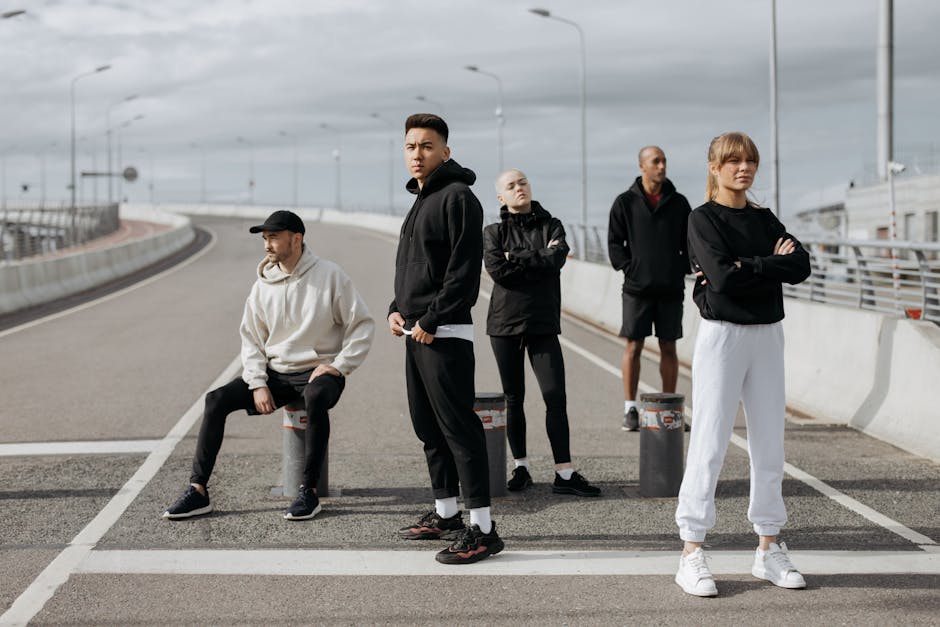
The streets of Mumbai, Delhi, and Bangalore have transformed into a living gallery of textile innovation, signaling a departure from the logo-heavy aesthetics of the early 2010s toward a more nuanced appreciation of silhouette and construction. This evolution is driven by a generation of Indian designers who view streetwear not just as casual apparel, but as a medium for socio-political commentary and engineering excellence. The current trajectory of the Indian streetwear market, which is outpacing traditional luxury segments in terms of growth among younger demographics, is rooted in a desire for authenticity and localized storytelling. Collectors are no longer satisfied with imported trends; they are demanding garments that reflect the humidity of the Indian climate, the complexity of its urban sprawl, and the heritage of its textile craftsmanship.
The Evolution of the Indian Urban Uniform
The transition from “fast fashion” to “slow streetwear” in India represents a significant psychological shift in the consumer base. Historically, the Indian apparel market was dominated by either high-end traditional wear or mass-produced Western styles. The emergence of homegrown streetwear labels has filled a critical void, offering a “middle path” that combines the exclusivity of luxury with the utilitarian nature of street culture. This movement was accelerated by the digital democratization of fashion, where Instagram and specialized discord servers allowed niche communities to bypass mainstream retail narratives.
A key driver of this evolution is the Direct-to-Consumer (D2C) model. By eliminating intermediaries, Indian designers can allocate more capital toward high-grammage fabrics and specialized hardware—elements that were previously cost-prohibitive for independent labels. Furthermore, the “Gully Boy” phenomenon and the rise of Indian hip-hop provided the necessary cultural soundtrack for this sartorial revolution. Today, the Indian streetwear enthusiast is highly educated, often obsessing over thread counts, screen-printing techniques, and the ethical implications of the supply chain. This discernment has forced brands to move beyond the “graphic tee” phase and into the realm of sophisticated garment engineering, where the focus is on how a fabric drapes and how a silhouette alters the wearer’s proportions.
Architects of the Modern Silhouette: Leading Luxury Labels

In the upper echelon of the domestic market, a few brands have set the standard for what “Indian Luxury Streetwear” should embody. These labels are characterized by their refusal to compromise on fabric quality and their commitment to pushing the boundaries of traditional tailoring.
Jaywalking
Jaywalking, spearheaded by Jay Jajal, is more than a brand; it is a study in volume and color theory. The brand’s flagship store in Mumbai serves as a pilgrimage site for those who appreciate the “Jaywalking aesthetic”—a mix of hyper-oversized cuts and unexpected textures. Their Classic Heavyweight Zip Hoodie is a masterclass in structural design.
- Price: Approx. ₹9,500
- Specifications: 450 GSM French Terry, custom-molded heavy-duty zippers, reinforced kangaroo pockets, and a signature “drop-shoulder” pattern that maintains its shape regardless of the wearer’s frame.
- Pros: Unrivaled structural integrity; the hood is designed to stand up on its own, providing a sharp silhouette.
- Cons: The weight of the garment can be overwhelming in high-humidity environments; requires specialized storage to prevent stretching.
Almost Gods
New Delhi’s Almost Gods treats every collection as a historical inquiry. Their use of jacquard weaving—a technique traditionally reserved for formal upholstery or high-fashion evening wear—in a streetwear context is revolutionary. The Gorgon Boxy T-shirt remains their most sought-after basic.
- Price: Approx. ₹6,500
- Specifications: 280 GSM single jersey cotton, high-density screen print with water-based inks, and a shortened torso length designed for layering over longer base pieces.
- Pros: The fabric has a “cool-to-the-touch” feel despite its weight; the neck ribbing is exceptionally tight and resistant to “bacon-neck” stretching.
- Cons: The boxy, cropped fit can be difficult to style for individuals with longer torsos.
Huemn
Huemn has built its reputation on the pillars of inclusivity and artistic collaboration. Founded by Shyma Shetty and Pranav Misra, the brand often uses its garments as canvases for social messages. The Huemn Gorilla Sweatshirt is perhaps the most recognizable piece of streetwear in the country.
- Price: Approx. ₹8,500
- Specifications: 400 GSM brushed fleece, handcrafted embroidery details, and a unisex “Huemn Fit” that prioritizes comfort without sacrificing form.
- Pros: High cultural capital; the brand’s commitment to diverse sizing ensures a flattering fit for all body types.
- Cons: The intricate embroidery requires delicate care; machine washing can lead to fraying of the decorative threads.
Biskit
Biskit, based out of Madras (Chennai), operates at the intersection of space exploration and art. Their designs are often minimalist but technically complex, focusing on “unisex” clothing that breaks down gender barriers. Their Orbital Jumpsuit and heavy tees are staples for those who prefer a futuristic, utilitarian look.
- Price: ₹4,000 – ₹12,000
- Specifications: Custom-developed cotton blends, reflective piping, and modular pockets.
- Pros: Extremely unique aesthetic that doesn’t follow mainstream trends; focus on sustainable production.
- Cons: Sizing runs very large; customers often need to size down significantly.
Bridging the Gap: Formidable Mid-Market Contenders
The mid-tier segment is where the most intense competition lies. These brands must balance the high expectations of the “hype” community with the logistical realities of scaling a business. They provide the gateway for the average consumer to move away from fast-fashion giants like H&M or Zara.
Bluorng
Bluorng has mastered the art of the “graphic drop.” Their designs often feature vibrant, nature-inspired motifs or abstract geometry, printed on high-quality blanks. The Oversized Graphic Tee is their bread and butter.
- Price: Approx. ₹3,500
- Specifications: 240 GSM bio-washed cotton, puff-print accents, and a wide-neck rib.
- Pros: The bio-wash treatment ensures the fabric is incredibly soft from the first wear; colors remain vibrant after multiple washes.
- Cons: The puff-print elements can crack if the garment is dried in a high-heat tumble dryer.
Urban Monkey
Focusing on the “lifestyle” aspect of street culture, Urban Monkey has become the go-to brand for accessories and skate-wear. Their Corduroy Baseball Cap and “UM” Essential Hoodies offer a clean, reliable option for daily use.
- Price: ₹1,800 – ₹4,500
- Specifications: Durable corduroy or 350 GSM cotton-poly blends, adjustable brass buckles on headwear.
- Pros: Highly accessible price points; extremely durable construction designed for actual skateboarding and physical activity.
- Cons: Designs are often more “safe” and less experimental than luxury counterparts.
Bonkers Corner
As the high-volume leader, Bonkers Corner provides the most affordable entry into the oversized trend. They are quick to adapt to global trends, making them the “fast-fashion” equivalent of the streetwear world, yet with a higher focus on the specific fits demanded by the culture.
- Price: ₹1,200 – ₹2,500
- Specifications: 180-220 GSM cotton, wide variety of licensed collaborations (e.g., Disney, Marvel).
- Pros: Unbeatable variety; the best option for those experimenting with new styles before committing to a premium purchase.
- Cons: Fabric pilling is common after 10-15 washes; the oversized fit can sometimes lack the structural “stiffness” of higher GSM brands.
| Brand | Fabric Weight (Tees) | Price Bracket | Best For | Durability Rating |
|---|---|---|---|---|
| Jaywalking | 280 – 320 GSM | Premium | Statement Pieces | High |
| Almost Gods | 260 – 300 GSM | High-End | Artistic Detail | High |
| Huemn | 240 – 280 GSM | High-End | Cultural Relevance | Medium-High |
| Bluorng | 240 GSM | Mid-Tier | Vibrant Graphics | Medium |
| Urban Monkey | 200 – 300 GSM | Accessible | Utility & Accessories | High |
| Bonkers Corner | 180 – 220 GSM | Budget | Trend Testing | Low-Medium |
Curation and Community: The Influence of Multi-Brand Destinations
The growth of these individual labels would be impossible without the infrastructure provided by multi-brand retailers. These stores act as cultural curators, vetting brands for quality and style before presenting them to the public. In a market where online shopping can be a gamble regarding fabric feel, these physical spaces are essential.
VegNonVeg and Superkicks have redefined the retail experience in India. By hosting “Sneaker Socials” and brand launch parties, they have fostered a community where enthusiasts can trade knowledge. These retailers also provide a platform for smaller, emerging brands like Vane or Zero Tolerance to gain visibility alongside global icons like Jordan Brand or Yeezy. The presence of a domestic brand in a VegNonVeg store is a “seal of approval” that signals to the consumer that the garment meets international standards of design and durability.
Furthermore, the emergence of Capsul, a multi-brand platform focusing specifically on “streetwear storytelling,” has helped educate consumers on the history of the movement. They bring in international cult brands like Carhartt WIP or Stüssy, allowing Indian consumers to compare domestic quality with global benchmarks. This comparison has, surprisingly, worked in favor of Indian brands, as many domestic labels offer higher GSM fabrics at lower price points than their international competitors due to localized production costs.
The Technical Anatomy of a Premium Streetwear Garment
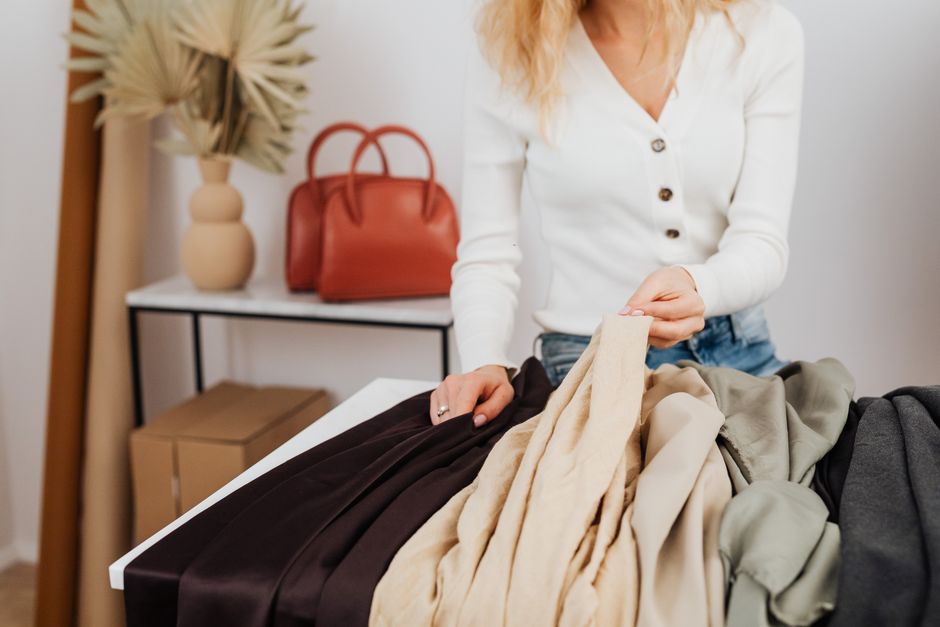
To truly appreciate why a Jaywalking hoodie costs five times more than a mass-market version, one must understand the technical specifications. Streetwear quality is measured in the “hand-feel” and the “hang” of the garment. This is achieved through specific manufacturing choices that prioritize longevity over production speed.
GSM (Grams per Square Meter): This is the most discussed metric in the community. A standard t-shirt is 160 GSM. Streetwear starts at 220 GSM. At 300 GSM, a t-shirt becomes a “heavyweight” garment that masks the body’s contours and creates a sharp, architectural look. For outerwear, 400+ GSM is the gold standard for that “heavy armor” feel.
The Weave: Most premium Indian brands use French Terry for sweatshirts. Unlike standard fleece, which is fuzzy on the inside, French Terry features loops on the interior that are breathable and moisture-wicking—essential for the Indian climate. For t-shirts, Combed Cotton is preferred over Carded Cotton because the shorter fibers are removed, resulting in a smoother, stronger yarn that doesn’t pill easily.
Construction Details:
- Double-Needle Stitching: Look for this on the neckline and armholes. It prevents the seams from unraveling under tension.
- Shoulder-to-Shoulder Taping: A strip of fabric sewn into the neck and shoulder seams to provide stability and prevent the shirt from losing its shape.
- Side-Seamed vs. Tubular: Cheaper shirts are tubular (one piece of fabric). Premium streetwear is side-seamed, allowing for a more tailored, anatomical fit.
Strategic Acquisition: Navigating Limited Drops and Sizing
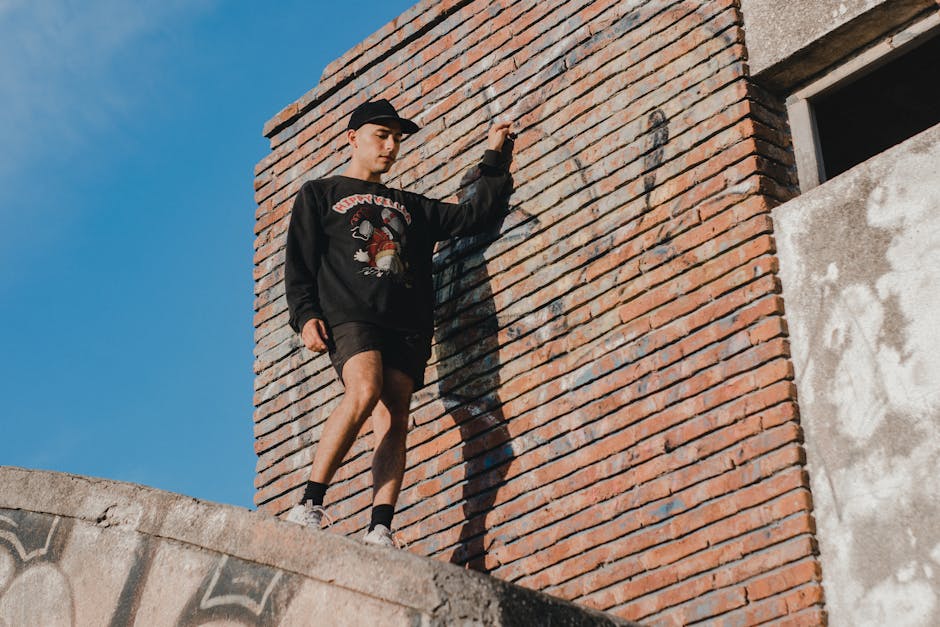
Buying high-end streetwear in India requires a strategy. Because many of these brands operate on a “drop” model—releasing limited quantities at specific times—the secondary market can often drive prices up. To secure pieces at retail price, consumers must engage with the brands’ digital ecosystems.
Common Sizing Mistakes: The most frequent error is ordering one’s “usual” size. Streetwear is designed to be oversized. A “Small” in Jaywalking might have the chest measurements of an “XL” in a standard brand. Always check the specific size chart for every drop, as silhouettes change seasonally. If you are looking for a “boxy” fit, look for garments with a wide chest measurement but a shorter “length” measurement. This prevents the “nightgown” effect where a large shirt simply looks too long rather than intentionally oversized.
Preservation Protocols for High-Grammage Textiles
Investing in premium streetwear is futile if the garments are ruined by improper maintenance. Heavyweight cotton and complex prints require a specific care regimen to ensure they last for years.
- The Cold Wash Rule: Heat is the enemy of cotton fibers and screen prints. Always wash streetwear in cold water (30°C or less) to prevent shrinkage and color bleeding.
- Inversion: Turn garments inside out before washing. This protects the graphic prints and embroidery from the abrasive action of the washing machine drum.
- Air Drying: Never put high-GSM hoodies in a tumble dryer. The weight of the wet fabric combined with the heat will cause the garment to lose its structural “stiffness.” Lay them flat on a drying rack to maintain the silhouette.
- Storage: Heavy hoodies should be folded, not hung. Hanging a 500 GSM sweatshirt will eventually cause the shoulder seams to “peak” and the neck to stretch out due to the garment’s own weight.
The Indian streetwear movement is no longer a trend; it is a fundamental restructuring of the country’s fashion identity. By prioritizing technical excellence and cultural narrative, these brands are proving that “Made in India” can be synonymous with global street luxury.
As the market matures, expect to see more integration of sustainable materials, such as organic hemp and recycled polyesters, as brands like Biskit and Huemn lead the charge toward ethical consumption. For the enthusiast, the current era offers an unprecedented opportunity to own pieces that are not only stylish but are also artifacts of a significant moment in Indian design history. Whether you are buying your first 240 GSM tee from Bluorng or a jacquard masterpiece from Almost Gods, you are participating in a movement that values the craft as much as the culture.