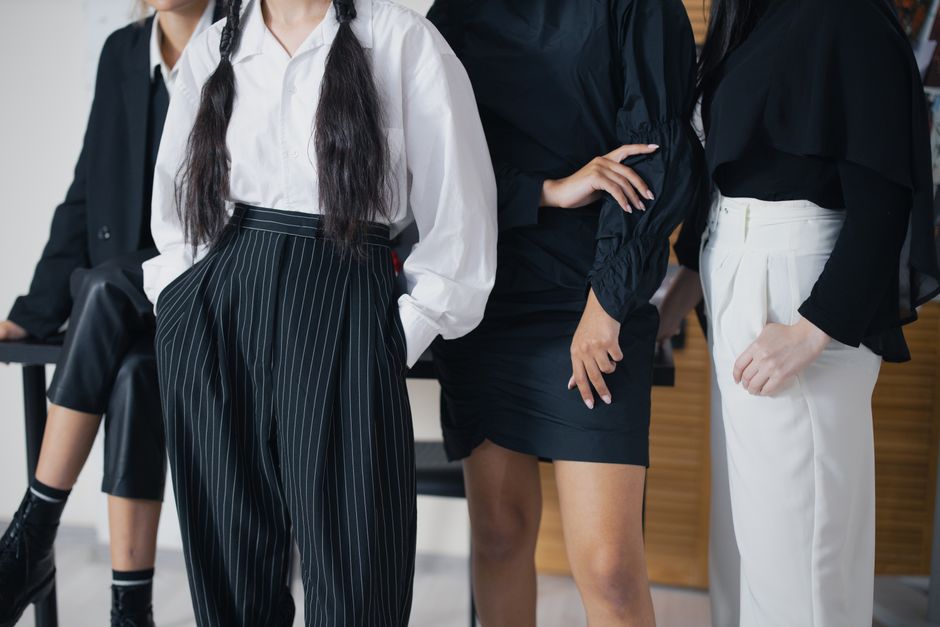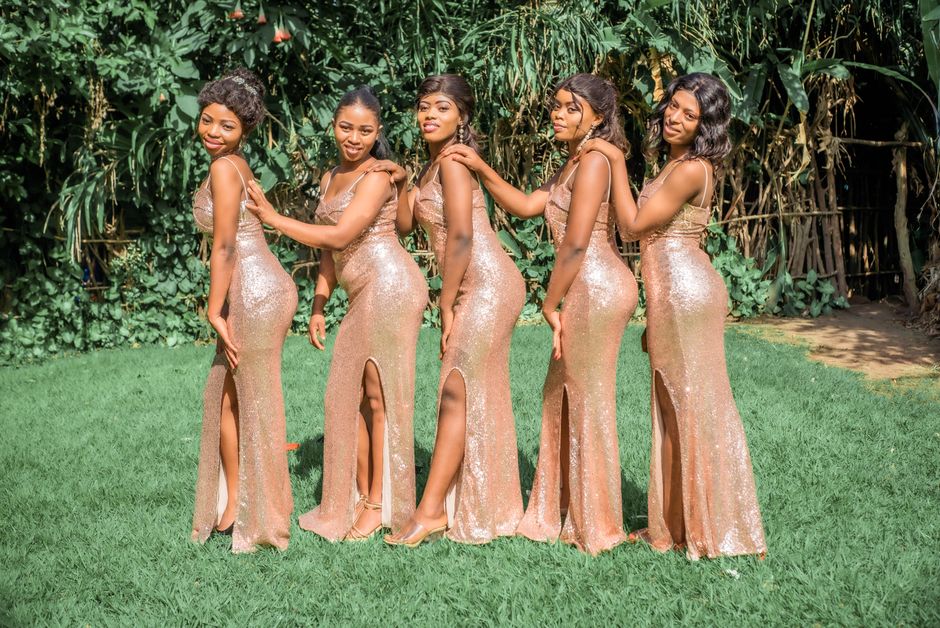
The surprising rule behind black-tie optional is simple: the code is still formal, but guests get one approved substitute. A tuxedo can become a dark formal suit, and a floor-length gown can become a refined cocktail dress. A casual sundress, office suit, or day-to-night outfit does not make the cut.
Treat Black-Tie Optional as Formal First
Black-tie optional was created to give guests flexibility without lowering the tone of the event. The host expects evening clothes, polished shoes, controlled accessories, and a level of finish that looks intentional from across a ballroom. The word optional applies to the tuxedo requirement, not to the effort required.
What the dress code allows
For a traditionally feminine outfit, choose a floor-length dress, an elegant midi, a sophisticated jumpsuit, or a cocktail dress in a rich fabric. Satin, velvet, silk, crepe, chiffon, and well-made sequins all work. The safest colors are black, navy, burgundy, emerald, deep plum, and metallic shades with a restrained finish. A bright color can work too, but the cut should stay polished.
What the dress code rules out
Skip cotton sundresses, linen separates, denim, visible athletic shoes, casual sandals, and workwear suiting. A short dress can pass if it has evening fabric, a clean shape, and formal accessories. The hem should not be the only thing doing the work. A $300 mini dress in stiff daywear fabric still looks less formal than a $150 satin midi with proper shoes and jewelry.
My verdict: dress one level more formal than your first instinct. If the venue is a hotel ballroom, museum, private club, or upscale wedding venue, a gown or tuxedo-inspired look is the most reliable starting point.
Use These Six Looks as Your Shortlist
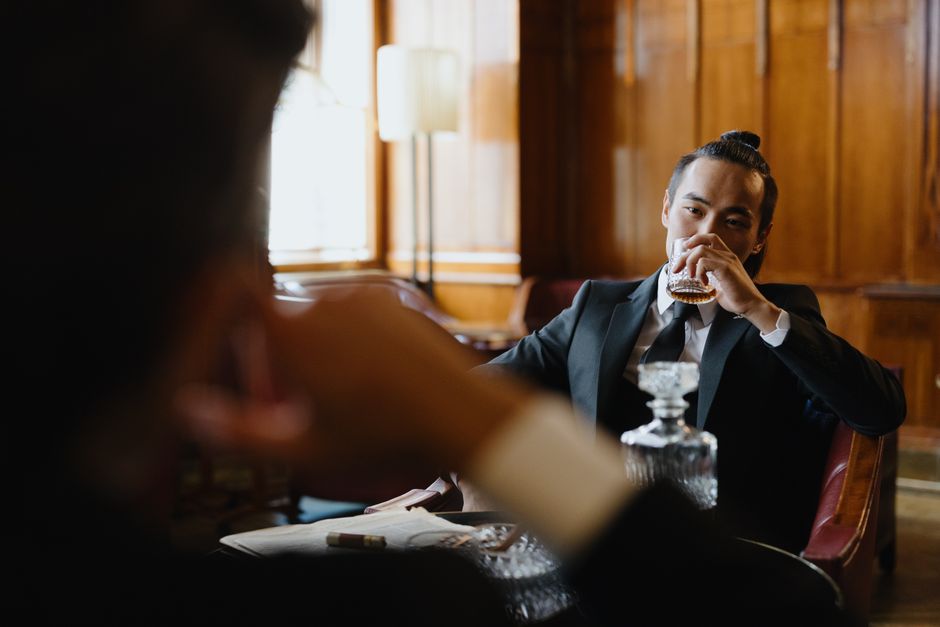
The best outfit is the one that survives the invitation, venue, weather, and photographs. This quick comparison gives each look a clear job instead of treating six silhouettes as interchangeable.
Six black-tie optional outfit formulas
| Look | Formal anchor | Best hem or shape | Best setting |
|---|---|---|---|
| 1. Satin gown | Fluid satin or silk | Floor length | Gala, evening wedding, charity dinner |
| 2. Velvet column dress | Velvet texture | Ankle or floor length | Winter event, historic venue, formal dinner |
| 3. Tuxedo look | Black jacket and satin detail | Trousers or full-length skirt | Modern wedding, city venue, formal reception |
| 4. Midnight-blue suit | Sharp tailoring | Full-length trousers | Business-formal crowd, evening ceremony |
| 5. Sequined midi | Controlled sparkle | Below the knee | Holiday party, cocktail-heavy reception |
| 6. Silk jumpsuit | Wide-leg drape | Full length | Warm weather event, gallery, rooftop venue |
The strongest all-purpose choice
Look 1 wins when the invitation gives little information. A simple satin gown reads formal without looking theatrical, and it works with a wrap, blazer, or evening coat if the temperature drops. Look 3 is the strongest alternative for anyone who dislikes dresses. The tuxedo has a clear formal signal, so the rest of the styling can stay restrained.
My shortlist winner is the satin gown for maximum dress-code security and the tuxedo for the best repeat-wear value.
Build the Look Around One Formal Anchor
Do not begin with accessories. Start with one element that makes the outfit unmistakably evening wear, then keep everything around it quiet enough to let that element work.
1. Satin gown with sharp accessories
- Choose the base: Pick a floor-length satin dress in black, navy, emerald, or burgundy. J.Crew’s Collection foldover mixy dress in duchesse satin is a useful lower-cost reference at $228, with a sale listing around $199.99 when checked. Its fabric and drape do more for formality than excessive decoration.
- Control the shine: Add one metallic element, such as crystal earrings or a slim gold cuff. Pair satin with a matte velvet shoe or a simple patent pump rather than matching every surface.
- Finish the proportions: The hem should skim the floor while standing in the shoes you plan to wear. A dress that drags creates a trip risk and photographs poorly. A hem that sits above the ankle can look accidental unless the cut is clearly designed that way.
2. Velvet dress with a light outer layer
- Pick the texture: Velvet gives a shorter dress enough visual weight for a winter reception. A column shape works best because the fabric already adds depth.
- Add coverage: Use a silk scarf, satin wrap, or clean evening coat. Avoid a bulky knit cardigan; it changes the outfit from formal to festive-casual in seconds.
- Keep the shoes visible: A pointed pump or barely-there sandal extends the leg line. Choose a 2 to 3 inch heel if you expect a long ceremony, standing reception, or uneven pavement.
For a budget-conscious version, J.Crew’s Natasha slip dress has appeared at $178, while Reiss’s Oe Adaline velvet blazer has been listed at $115 on sale from $290. Prices move, but these pieces show the useful buying principle: spend on fabric, fit, and tailoring before paying for a famous logo.
Choose the Tuxedo When the Invitation Feels Vague

My strongest recommendation is the tailored tuxedo look. It is the cleanest answer when you want formal authority without wearing a gown, and it often earns its cost because the jacket can return for galas, holiday parties, award dinners, and dressy weddings.
How to make a tuxedo feel elegant, not corporate
Choose a black or midnight-blue jacket with satin or grosgrain lapels, a white or ivory shirt, and trousers with a clean break at the shoe. A silk camisole under the jacket softens the outfit, while a sharply pressed shirt keeps it classic. Avoid a standard office blazer with notch lapels; the shape reads business unless the fabric and details clearly signal evening wear.
Ralph Lauren’s Wool Twill Tuxedo Pant, shown in the brand’s price guide at $890, is a useful luxury benchmark. You do not need to spend that much. The lesson is the cut: a formal trouser should sit cleanly at the waist, fall straight through the leg, and avoid bunching at the ankle. Alterations often matter more than the label.
When a tuxedo is the wrong investment
Do not buy a full tuxedo for one event if the venue is a daytime garden ceremony, casual restaurant, or small gathering where the invitation uses black-tie optional as a loose phrase. A midnight-blue suit with a silk blouse or a dark tie gives you more repeat use. Also skip high-shine satin if you dislike delicate fabrics or expect to travel without a garment bag. Matte wool, crepe, and velvet hide wrinkles better.
Bottom line: choose the tuxedo for a late event with a formal venue and an audience likely to dress up. Choose a dark suit or jumpsuit when comfort, travel, and repeat wear carry more weight.
Black-Tie Optional Questions, Answered
Can a cocktail dress work?
Yes, but choose a dress that looks designed for evening. A below-the-knee hem, rich fabric, clean neckline, and formal shoe create the right signal. A simple chiffon slip or satin midi is safer than a short dress with casual prints, cutouts, or daytime buttons. Add a small clutch and one strong piece of jewelry.
Are bright colors acceptable?
Absolutely. Jewel tones and metallics can look more elegant than plain black when the fabric has a soft finish. The rule is restraint: let the color be the statement and keep the bag, shoes, and jewelry simple. Neon, loud novelty prints, and head-to-toe sparkle make the outfit harder to control.
Can I wear flats?
Yes. Choose pointed satin flats, embellished slippers, or a sleek metallic pair instead of casual ballet flats or daytime loafers. The rest of the outfit must carry the formal message. For a long night, polished flats are better than heels you remove before the first dance.
My verdict: dress code confidence comes from the whole outline, not a single item. A modest heel, full-length trouser, or elegant flat works when the fabric, fit, and accessories agree.
Fix These Three Outfit Failures Before Leaving
First, check the hem in motion. Walk, sit, climb one stair, and turn. A gown that looks perfect in a bedroom mirror can catch under a shoe or expose too much when seated. Budget for alterations: a basic hem commonly adds roughly $25 to $75, while complex lining or beading can cost more. Paying for the adjustment is cheaper than spending the evening holding the dress up.
Second, test the outfit under flash photography. Some pale fabrics become transparent, and heavy shimmer can reflect harshly. Take a phone photo from several feet away, then check the front, back, and side views. This catches bra lines, gaping, wrinkled lapels, and a hem that is too short.
Third, plan for the venue. Thin stilettos struggle on grass, slippery marble, and cobblestones. A silk gown needs a cover-up in cold weather. A strapless dress may require fashion tape and a secure underlayer. Pack blister pads, a small sewing kit, and the lipstick you will actually reapply.
The resolution is straightforward: for a ballroom, choose the satin gown or tuxedo; for a winter venue, choose velvet; for a relaxed interpretation, choose a midnight-blue suit or silk jumpsuit. The event may say optional, but your final look should feel deliberate, comfortable, and fully ready for the room.