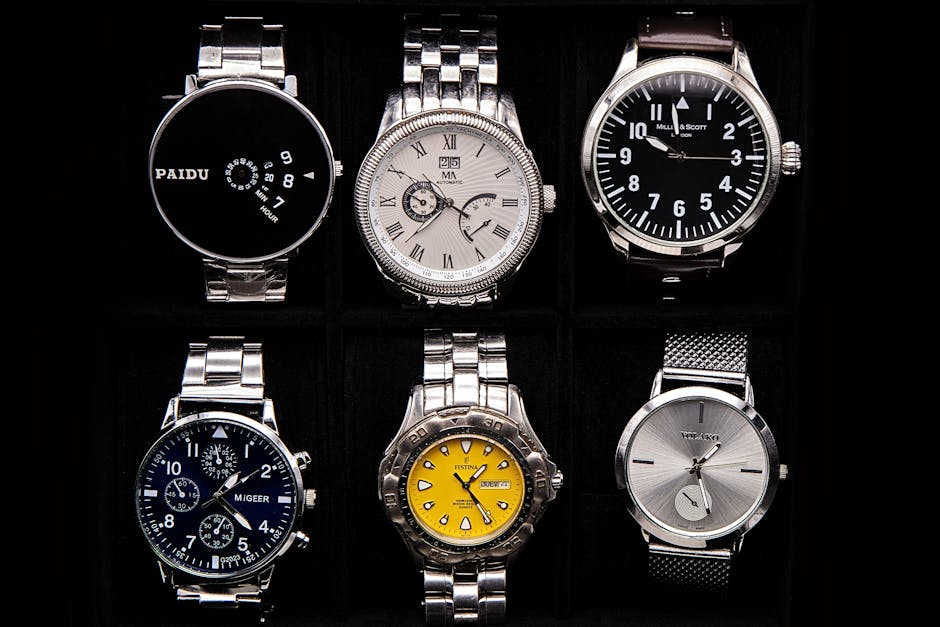
Many men believe a great watch must come with an exorbitant price tag. This is a common misconception. While luxury brands offer incredible craftsmanship, the truth is you can find exceptional timepieces with style, durability, and precision without spending thousands of dollars. The best watch isn’t about the biggest brand name. It’s about finding the right fit for your lifestyle and budget.
What to Look for Beyond Price Tags
Choosing a watch involves more than just aesthetics. Understanding the core components ensures you pick a timepiece that lasts and performs. Focus on movement, materials, and water resistance first. These factors dictate a watch’s longevity and suitability for different environments.
Understanding Watch Movements: Quartz vs. Mechanical
A watch’s movement is its engine. It powers the hands and any complications. There are two main types:
-
Quartz Movements: These are battery-powered and highly accurate. A quartz crystal vibrates when an electric current passes through it, regulating the time. They are durable, require minimal maintenance (just a battery change every few years), and are generally more affordable. Brands like Citizen and Timex often quartz for reliability and precision. For an everyday, no-fuss watch, quartz is an excellent choice.
-
Mechanical Movements: These watches are powered by a mainspring, which is wound either manually (hand-wound) or by the motion of the wearer’s wrist (automatic). Mechanical watches contain hundreds of tiny, intricate parts working in harmony. They are considered traditional watchmaking, appreciated for their craftsmanship and smooth sweeping second hand. They require more maintenance and are typically less accurate than quartz, gaining or losing a few seconds a day. Seiko and Orient are known for their reliable automatic movements at accessible price points.
Your choice between quartz and mechanical often comes down to personal preference for tradition versus practicality.
Case Materials and Glass Types
The watch case protects the movement. Common materials include stainless steel, titanium, and sometimes ceramic or precious metals. Stainless steel is the most popular, offering a good balance of durability, corrosion resistance, and affordability. Titanium is lighter and hypoallergenic but can be more expensive.
The crystal, or glass, covering the dial also varies:
-
Mineral Crystal: Found in most budget-friendly watches. It’s scratch-resistant to a degree but can chip or scratch more easily than sapphire.
-
Hardlex Crystal: Seiko’s proprietary hardened mineral crystal. It offers better scratch and impact resistance than standard mineral glass.
-
Sapphire Crystal: The most durable and scratch-resistant option, often found on higher-end watches. It’s almost impossible to scratch under normal wear, making it a premium feature.
For long-term wear, a sapphire crystal is a significant advantage, maintaining clarity and appearance.
Decoding Water Resistance Ratings
Water resistance is crucial, especially for active individuals. Ratings are often misunderstood. Here’s what they mean:
-
30 meters (3 ATM / 3 Bar): Splash resistant. Fine for rain or hand washing. Do not submerge.
-
50 meters (5 ATM / 5 Bar): Suitable for short periods of recreational swimming in shallow water. Avoid diving or snorkeling.
-
100 meters (10 ATM / 10 Bar): Good for swimming, snorkeling, and water sports. Not suitable for diving.
-
200 meters (20 ATM / 20 Bar) or more: Suitable for recreational scuba diving. These watches typically meet ISO 6425 standards for dive watches, featuring screw-down crowns and robust construction.
Always check the rating. A “water resistant” label alone provides minimal protection.
Common Mistakes When Buying a Men’s Watch

Even seasoned buyers can make missteps. Avoid these common pitfalls to ensure your watch purchase is a smart one.
-
Not Matching the Watch to Your Wrist Size
A watch’s case diameter and lug-to-lug distance determine how it sits on your wrist. A watch that’s too large can look clunky; one that’s too small gets lost. Measure your wrist circumference. For wrists under 6.5 inches, a case diameter of 36-40mm is often ideal. For 6.5-7.5 inches, 40-44mm works well. Above 7.5 inches, watches up to 46mm can be worn comfortably. Always consider the lug-to-lug measurement; if the lugs extend past your wrist, the watch is too big, regardless of case diameter. Try watches on if possible, or use online wrist shot tools for comparison. A properly sized watch feels balanced and looks proportional.
-
Overlooking Practicality and Durability
It’s easy to get swept away by aesthetics. However, consider how and where you’ll wear the watch. A delicate dress watch isn’t suitable for hiking or sports. A bulky dive watch might not fit under a shirt cuff at a formal event. Think about the watch’s intended environment. Is it for daily wear, office, or adventure? Choose materials and water resistance levels that match these activities. For example, a stainless steel case with a sapphire crystal is a robust choice for everyday use, while a silicone strap offers comfort for active wear.
-
Skipping the Warranty and Servicing Details
A watch is an investment. Understand the warranty terms and what they cover. Most reputable brands offer a warranty of at least one to two years against manufacturing defects. Mechanical watches, especially, require periodic servicing, typically every 3-7 years, to ensure accuracy and longevity. This involves cleaning, oiling, and adjusting the movement. Factor potential service costs into your budget, especially for automatic watches. Neglecting servicing can lead to premature wear and higher repair costs later on. Quartz watches generally only need battery replacements, which are less expensive.
Top Everyday Watches for Under $500
You don’t need to break the bank for a reliable and stylish daily companion. These watches prove that quality and value can coexist. They offer excellent build quality, respectable movements, and designs that adapt to most situations.
The Seiko 5 Sports SRPE Series
The Seiko 5 Sports SRPE series (often called the ‘DressKX’ by enthusiasts) is a standout recommendation. It features the reliable Seiko 4R36 automatic movement, a durable stainless steel case, and Hardlex crystal. What sets the SRPE apart is its clean, versatile design. With a 40mm case and no rotating dive bezel, it transitions effortlessly from casual wear to business casual. Many dial colors are available, from classic black and blue to more vibrant options. This watch is a true workhorse, offering automatic mechanical charm and excellent value. It typically retails for around $250-$350, depending on the specific model and strap.
Citizen Eco-Drive Promaster Diver
For those who value ultimate practicality and ruggedness, the Citizen Eco-Drive Promaster Diver (e.g., BN0151-09L or BN0150-28E) is an exceptional choice. This is an ISO-certified dive watch, meaning it meets professional standards for water resistance (200m), shock resistance, and anti-magnetism. Its Eco-Drive technology powers the quartz movement using any light source, eliminating the need for battery changes. The robust stainless steel case, mineral crystal, and comfortable polyurethane strap make it virtually indestructible for daily wear and active lifestyles. Prices range from $200-$300, making it an incredible value for a true tool watch.
Timex Marlin Automatic
If your style leans towards vintage aesthetics and a more compact fit, the Timex Marlin Automatic is a superb option. With a classic 34mm or 40mm case size and a clean, mid-century design, it offers a distinct charm. It houses a reliable Japanese automatic movement and often features an acrylic crystal, which enhances its vintage appeal (though it’s more prone to scratches than mineral or sapphire). The Marlin Automatic is perfect for those who appreciate understated elegance and want a mechanical watch that stands out without being flashy. Expect to pay around $200-$270 for this stylish piece.
Best Dive Watches for Durability and Style

Dive watches are iconic for a reason. Their robust construction and clear legibility make them highly functional, while their rugged aesthetic adds a sporty, confident edge to any outfit. They are built for extreme conditions but thrive in everyday wear. These watches combine form and function expertly.
Why Dive Watches Are So Versatile
Beyond their primary function underwater, dive watches offer immense versatility. Their substantial cases, unidirectional bezels, and luminous dials make them easy to read in any light. The high water resistance provides peace of mind for daily activities, from washing hands to unexpected downpours. Furthermore, the classic dive watch design is timeless. It pairs well with casual clothes like jeans and a t-shirt, yet can also complement smart casual attire. The ability to swap straps—from rubber to NATO to stainless steel bracelets—further enhances their adaptability.
Comparing Popular Dive Watch Models
Here’s a look at some of the best dive watches readily available in the USA, offering excellent performance and value.
| Model | Movement | Case Size | Water Resistance | Crystal | Approx. Price |
|---|---|---|---|---|---|
| Seiko Prospex ‘Turtle’ (SRPD Series) | Automatic (4R36) | 45mm | 200m | Hardlex | $350 – $550 |
| Citizen Promaster Automatic Diver (NY008 Series) | Automatic (Miyota 8203) | 42mm | 200m | Mineral | $250 – $400 |
| Orient Kamasu | Automatic (F6922) | 41.8mm | 200m | Sapphire | $200 – $300 |
The Orient Kamasu stands out for its incredible value, offering a sapphire crystal at a price point where most others only have mineral or Hardlex. The Seiko ‘Turtle’ provides a distinctive, comfortable case shape and a robust automatic movement. Citizen’s automatic Promaster divers are also excellent, often praised for their unique designs and solid build.
Elevating Your Style: Dress Watch Picks
A dress watch is essential for formal occasions, business meetings, or any time you want to project a refined image. These watches are typically slimmer, simpler in design, and feature leather straps. Their elegance lies in their subtlety and classic proportions.
Orient Bambino V4
The Orient Bambino V4 is a perennial favorite for good reason. This watch masterfully blends vintage aesthetics with modern reliability. It features a beautiful domed mineral crystal, a clean dial with applied indices, and a small seconds sub-dial at 6 o’clock. Inside, it runs on Orient’s in-house F6724 automatic movement, which is both reliable and hackable/hand-windable. The 42mm stainless steel case (also available in 40.5mm for other Bambino versions) is polished, and it comes on an elegant leather strap. For around $150-$200, the Bambino V4 delivers an unmatched level of sophistication for its price. It’s the perfect choice for an entry-level dress watch that looks far more expensive than it is.
Tissot PRX Powermatic 80
The Tissot PRX Powermatic 80 offers a more contemporary, yet still incredibly elegant, dress watch aesthetic. Its integrated bracelet design and slim profile are inspired by 1970s sports watches. The watch features a robust 40mm stainless steel case, an exhibition case back, and a scratch-resistant sapphire crystal. The star of the show is its Powermatic 80 automatic movement, which boasts an impressive 80-hour power reserve. This means you can take it off for a weekend and it will still be running when you pick it up again. With its waffle-textured dial and sharp finishing, the PRX Powermatic 80 is a versatile option that can easily bridge the gap between dressy and smart casual. Expect to pay around $650-$700 for this Swiss-made marvel, which, while slightly above the $500 mark, represents exceptional value in its category.
The Smartwatch Question: A Brief Verdict
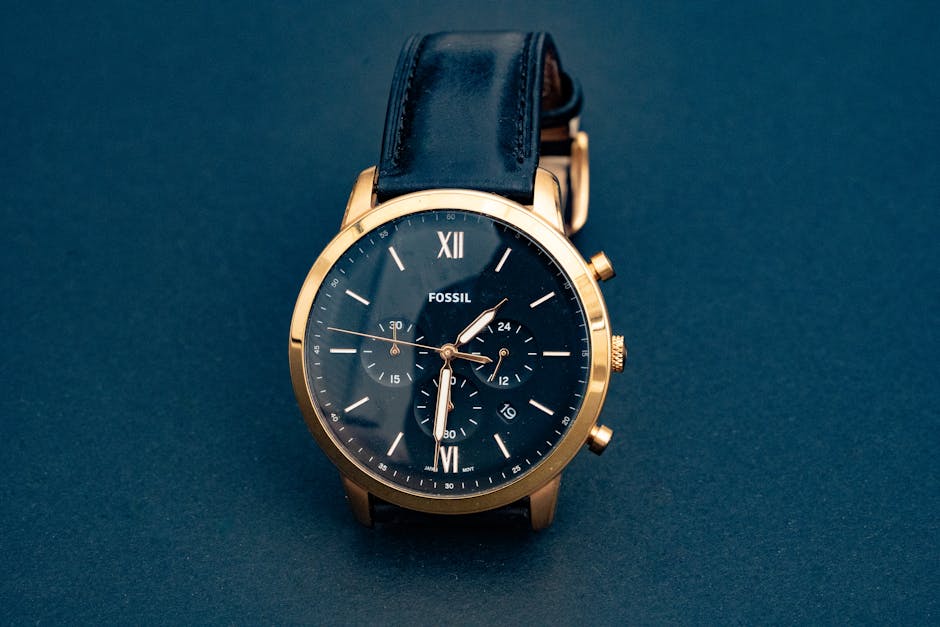
Smartwatches offer notifications and fitness tracking. They are tech gadgets, not traditional timepieces. Choose a smartwatch for utility, a traditional watch for style, craftsmanship, and legacy. Many men opt for both, using a smartwatch for workouts and a classic watch for everything else. They serve different purposes entirely.
Caring for Your Investment: Essential Maintenance
A watch, particularly a mechanical one, benefits from proper care. Simple habits extend its life and maintain its appearance. Ignoring maintenance can lead to costly repairs and diminished performance.
How often should I service a mechanical watch?
Most reputable watchmakers recommend servicing a mechanical watch every 3 to 5 years. This interval can vary depending on the watch’s specific movement, how often it’s worn, and its environmental exposure. During a service, the watch is disassembled, cleaned, lubricated, and regulated. Gaskets are replaced to maintain water resistance. Skipping services can cause oils to dry out, leading to increased friction and wear on delicate components. Regular servicing ensures accuracy and prevents major issues down the line.
Can I replace a watch battery myself?
For most quartz watches, especially those with basic snap-on case backs, replacing the battery yourself is possible with the right tools. However, it’s generally recommended to take your watch to a professional. A jeweler or watchmaker can ensure the correct battery type is used, properly seal the case back to maintain water resistance, and check the gaskets. They can also inspect for any other internal issues. Attempting it yourself risks scratching the case, damaging the movement, or compromising the watch’s water resistance.
What’s the best way to clean my watch?
Cleaning your watch regularly keeps it looking new and prevents grime buildup. For most water-resistant watches with metal bracelets, a soft cloth dampened with mild soap and water is effective. Use a soft toothbrush to gently clean crevices on the bracelet. For leather straps, avoid water. Instead, wipe them with a dry, soft cloth and consider specialized leather cleaners or conditioners. Always ensure the crown is pushed in (and screwed down if applicable) before any cleaning involving water. After cleaning, dry the watch thoroughly with a clean, lint-free cloth. Avoid harsh chemicals or abrasive materials, as these can damage the watch’s finish or crystal.