The American Podiatric Medical Association estimates that roughly 60 percent of children wear footwear that does not fit correctly — and sandals are where that problem is most common. They are seasonal, purchased quickly, and evaluated mostly by appearance. But a toddler’s foot at age two is still roughly 90 percent cartilage. The bone structure does not finish ossifying until around age five, which means external pressure from poorly designed footwear during these years is not neutral. It shapes the foot’s development.
Most parents know to leave a thumb’s width of space at the toe in closed shoes. Very few know to check midfoot rigidity, toe box width, or back strap design in a sandal — and those three factors predict more about long-term foot health than brand recognition does. Before comparing specific products, those fundamentals are worth understanding once.
What Toddler Foot Development Actually Requires From a Sandal
A toddler’s foot does not work like a small adult foot. The metatarsals splay wider during weight-bearing. The fat pad under the arch has not fully resorbed yet, creating the appearance of flat feet that is developmentally normal, not pathological. The heel is proportionally larger relative to the forefoot. These anatomical differences create specific structural requirements — requirements that differ significantly from what works in adult sandal design.
Flexibility in the Right Places, Rigidity in Others
A sandal should flex at the ball of the foot — the metatarsal heads, where the foot bends during the push-off phase of walking gait. The midfoot, including the arch area, should maintain its shape under moderate pressure rather than collapsing flat. Testing this takes five seconds: hold the sandal at the heel and the toe box and try to fold it in half lengthwise. A well-constructed sandal resists folding through the center. If the sole collapses flat with essentially no resistance at every point, the midfoot provides no structural reference for the foot during walking mechanics.
Fast-fashion toddler sandals at the $10–$15 price point almost universally fail this test. The sole at those prices is decorative rather than functional. Every point flexes identically, which means proprioceptive feedback during gait development is impaired — the foot cannot distinguish between pushing off the toe and flexing through the midfoot when both produce the same mechanical response.
Toe Box Width as a Developmental Variable
Toddler feet are proportionally wider than adult feet, particularly across the metatarsals. That width is developmentally correct — the metatarsal splay during weight-bearing is part of how the foot builds the intrinsic muscle strength needed for balance and propulsion. A sandal toe box that compresses this splay restricts a movement pattern the foot should be practicing freely every day.
Most sandal brands offer a single width calibrated to a statistical average, which fits nobody precisely well. Brands that offer multiple width options — medium, wide, and extra-wide — are acknowledging an anatomical reality that single-width brands ignore for manufacturing simplicity. If a toddler’s foot consistently bulges over the lateral edge of the sandal footbed when standing, the width is wrong and no correct length will fix the fit.
The Back Strap Requirement for Active Toddlers
Backless sandal styles — slides, flip-flops without heel straps — cause toddlers to grip with their toes to keep the sandal in place during walking. Pediatric podiatrists flag this toe-gripping as a contributor to abnormal gait development, particularly in children still refining heel-to-toe walking mechanics. The gripping recruits flexor muscles that should be free during normal gait, creating fatigue patterns and occasionally reinforcing toe-walking habits in children already prone to them.
For low-activity use — sitting on a beach, short walks on flat surfaces — backless styles are low-risk. For any toddler who runs, climbs, or uses playgrounds: a back strap is structurally necessary. Velcro closures are strongly preferred over buckles for children under age four, because fine motor dexterity for buckle manipulation typically does not develop until ages four to five. A toddler managing velcro builds independence. A toddler wrestling with a buckle wears it incorrectly and develops blisters from the resulting instability.
The Truth About Arch Support Claims for Toddlers
The flat-footed appearance of most toddlers is normal. The fat pad under the foot does not fully resorb until age two to three, creating the appearance of fallen arches that resolves on its own in the large majority of children without intervention. Aggressive, built-in arch support may actually impede this natural development by performing the stabilization work the foot’s intrinsic musculature should be doing independently.
What a toddler sandal actually benefits from is a contoured footbed — an anatomically shaped insole that distributes pressure evenly across the plantar surface without imposing a rigid arch structure. That is different from what brands often market as orthopedic support. If a sandal footbed resembles a custom orthotic insert, it is overcorrecting for a developmental stage where the foot should be building its own strength.
Six Toddler Sandals: A Specification Comparison

The comparison below is built around the specifications that predict real-world performance across a full summer of use: width options available, sole construction, closure system, and price. Style and colorway are intentionally omitted — they do not predict whether a sandal fits correctly or survives repeated washing. Independent review patterns from parent communities and pediatric footwear specialists consistently point to the same structural indicators: sole delamination rates within one season, strap integrity under daily active use, and whether the footbed maintains its shape after extended wear. These do not appear in marketing materials. Try at least two or three options from different brands before committing — toddler foot shape varies enough between children that no single brand is the right answer for every foot.
| Brand / Model | Price | Width Options | Back Strap | Sole Construction | Best Suited For |
|---|---|---|---|---|---|
| Stride Rite Soft Motion Cassidy | $42–$52 | M, W, XW | Yes (velcro) | Memory foam footbed, rubber outsole | Wide feet, daily all-day wear |
| Keen Newport H2 Kids | $55–$70 | M only | Yes (bungee + velcro) | Non-marking rubber, machine washable | Water play, rocky outdoor terrain |
| Teva Hurricane XLT2 Toddler | $35–$45 | M only | Yes (velcro) | EVA midsole, Durabrasion rubber outsole | Active outdoor use, value pick |
| Pediped Flex Remy | $50–$60 | M, W | Yes (velcro) | Flexible leather upper, grippy rubber outsole | Early walkers, sensitive feet |
| See Kai Run Cruz II | $48–$58 | M, W | Yes (velcro) | Flexible EVA, rubber toe cap | All-day wear with design variety |
| Crocs Classic Sandal Kids | $25–$35 | Numeric sizing only | Yes (molded back strap) | Croslite foam, cushioned | Pool, beach, very casual use |
The Keen Newport H2 earns its premium for water and outdoor use specifically. The closed-toe construction protects against submerged rocks and trail debris, the bungee and velcro closure holds secure when wet, and the machine-washable design means it survives full seasons of creek and beach use without deteriorating. At $55–$70, it costs roughly $20 more than the Teva — a premium that is justified only for families who genuinely need the toe protection.
The Pediped Flex Remy is the strongest choice for early walkers and children with sensory sensitivities around footwear. The Flex line carries APMA certification, and the leather upper breaks in to the foot’s specific shape over time rather than forcing foot conformity. For a two-year-old still building walking mechanics, that material compliance matters more than the price difference over a synthetic alternative.
The Teva Hurricane XLT2 at $35–$45 is the clearest value position in this category. EVA midsole, reliable velcro closure, and outsole durability that holds through a full season of aggressive toddler activity — not the cheapest available, but the cheapest that does not compromise on the structural specs that affect foot mechanics.
Five Mistakes That Lead to Poorly Fitted Sandals
These patterns show up consistently in sandal returns and in pediatric podiatrist consultations where parents report gait concerns that started during a sandal season. Each has a simple fix that requires about 30 seconds of attention before removing tags.
- Buying a size up to extend the season. A sandal more than a thumb’s width too long causes the same toe-gripping problem as a backless style. The foot instinctively grips forward to stop the sandal from sliding. Toddler feet grow fast, but the sandal needs to fit now — not in six weeks. Plan on two correctly sized pairs per summer for a two-year-old rather than one loose pair that technically lasts longer.
- Skipping the midfoot bend test. Hold the sandal at both ends and try to fold it lengthwise through the center. If it collapses flat with no resistance at the midpoint, the sole provides no meaningful structure. This test takes five seconds at the store or at home before cutting tags. Most parents never do it.
- Treating width as a fixed variable. Length is the number on the box. Width determines whether the foot sits correctly on the footbed or splays over the edges. A child with a wider foot in a medium-width sandal will show visible foot-edge overhang when standing — which means the sandal edge, not the footbed, is shaping the foot during wear.
- Choosing synthetic uppers for aesthetics. Plastic-coated synthetic materials do not breathe. Toddler feet sweat at a higher rate per surface area than adult feet, and moisture trapped against the foot creates conditions for skin irritation and fungal growth within a week of daily summer wear. Leather and mesh breathe. Most visually appealing toddler sandals at every price point use materials optimized for appearance, not ventilation.
- Selecting buckle closures before age four. Fine motor skills for buckle manipulation develop between ages four and five. A buckle a toddler cannot manage independently gets worn incorrectly — fastened too loosely, or left open entirely. Loose straps allow foot movement within the sandal during walking, causing blisters and increasing fall risk on uneven surfaces. Velcro is the correct closure for ages one through four.
When a Sandal Is the Wrong Shoe
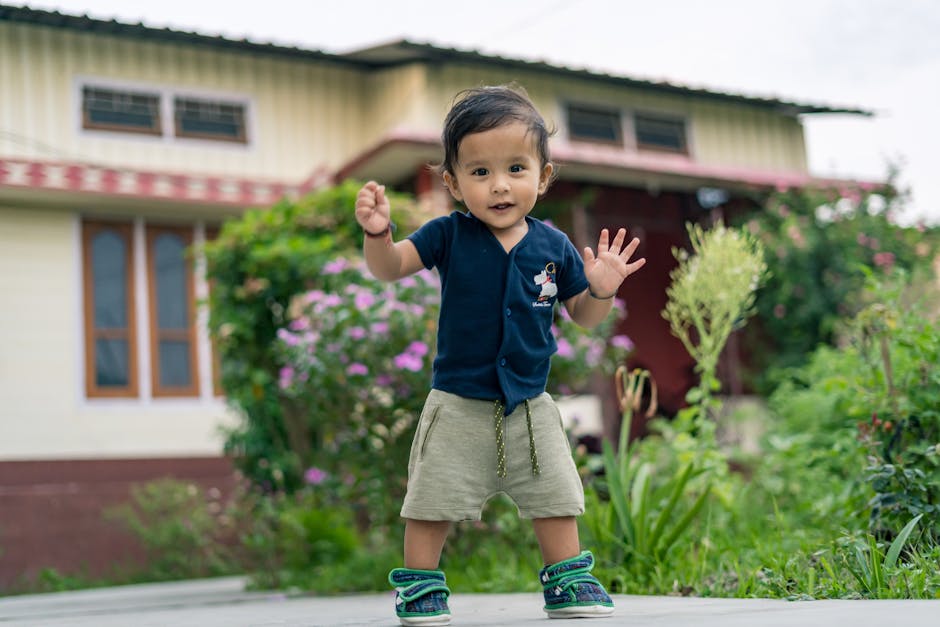
Sandals are not appropriate for children with fewer than six months of independent walking experience, for playgrounds with wood chips or loose surfaces, or for any trail longer than 20 minutes on rocky terrain. In those contexts, a closed-toe flexible sneaker — such as the Stride Rite Soft Motion line or the New Balance Roav v1 — provides better proprioceptive feedback through the sole and more lateral ankle reference points. A closed shoe in those situations is not a compromise. It is the correct tool, and choosing a sandal instead prioritizes appearance over function at exactly the wrong developmental moment.
Toddler Sandal Sizing: Growth Rates and What to Expect
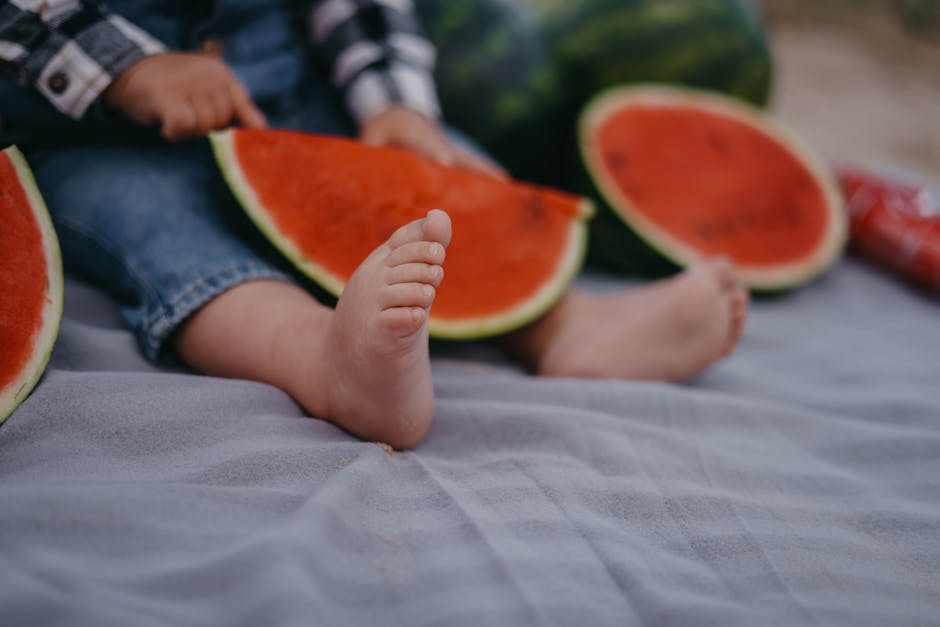
Sizing is inconsistent enough across brands that the same foot may need a size 7 in one brand and an 8 in another. Always measure foot length against the specific brand’s size chart before purchasing. Generic age-to-size guides are starting points only — not reliable guarantees.
How fast do toddler feet actually grow?
Between ages one and three: approximately every two to three months. Between ages three and five: approximately every three to four months. Planning on one pair of sandals per summer is realistic for a four-year-old. For a two-year-old, two pairs per season is closer to what the growth rate actually requires — and much better for the foot than one pair worn loose for the back half of the summer.
Age-to-size reference for toddler sandals
| Age Range | Approximate US Size | Foot Length |
|---|---|---|
| 12–18 months | 4–5 | 11.4–12.1 cm |
| 18–24 months | 5–6 | 12.1–13.0 cm |
| 2–3 years | 6–8 | 13.0–14.6 cm |
| 3–4 years | 8–10 | 14.6–16.5 cm |
| 4–5 years | 10–12 | 16.5–18.1 cm |
Is spending $50 or more on toddler sandals worth it given how fast they outgrow them?
The $35–$60 range covers every structural requirement that matters for foot development. Below $25, common failure modes include sole delamination before the season ends and strap systems that fail under regular active use. Above $65–$70, the additional cost is primarily aesthetic — a reasonable personal spend, but not a functional upgrade. The Teva Hurricane XLT2 at $35–$45 represents the most defensible value position: construction quality that survives a full season of active toddler use without compromising on the three specs — midfoot rigidity, width options, and closure security — that actually affect foot development outcomes.