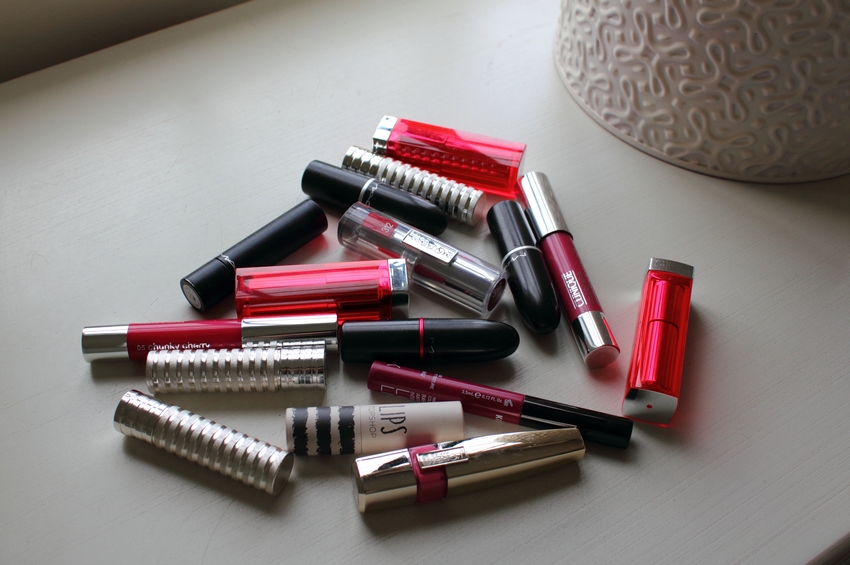
Why does your lipstick never look right? Is it the color? The formula? Or just how you’re slapping it on? Enough with the guesswork. This isn’t rocket science, but it does require some basic understanding. Stop buying every new tube that drops. You need to know what works for you and for specific situations. We’re cutting through the noise. Here’s the deal on lipsticks that deliver, and how to make them work.
The Formula Breakdown: Matte vs. Satin vs. Gloss
Forget the hype. Not all lipstick formulas are created equal, and each has its place. Your choice here dictates everything from comfort to longevity. Pick wrong, and you’ll be frustrated all day. Pick right, and you won’t even think about it.
| Formula Type | Finish | Wear Time | Comfort Level | Application Notes | Ideal For |
|---|---|---|---|---|---|
| Matte Lipstick | Flat, velvet-like, no shine | Long (6-8 hours) | Drying, can feel tight | Precise, can be stiff; needs good lip prep | High impact, minimal transfer, bold looks, photos |
| Satin Lipstick | Soft sheen, subtle glow | Medium (3-5 hours) | Comfortable, hydrating | Smooth, glides on easily; can feather slightly | Everyday wear, professional settings, comfort over longevity |
| Gloss/Sheer | High shine, transparent/translucent | Short (1-2 hours) | Very comfortable, non-drying | Effortless, often needs reapplication; can be sticky | Casual, plumping effect, layered over other lipsticks |
That table lays it out. No excuses now for choosing the wrong base. Each has its merits, but you need to know the trade-offs.
Matte: The Unforgiving Truth
Matte lipsticks are dramatic. They command attention. But they are also the most demanding. They cling to every dry patch, every lip line. You need perfectly prepped lips for them to look good. Think MAC Retro Matte Lipstick in Ruby Woo. It’s iconic for a reason: pure pigment, zero sheen. But it will dry you out if you’re not ready. If your lips are even slightly flaky, skip matte until you sort that out. It’s not the lipstick’s fault; it’s your prep. Or lack thereof.
Satin: The Everyday Workhorse
Satin finishes are the most versatile. They offer good color payoff with a comfortable feel and a subtle sheen that looks polished, not overdone. They’re forgiving, too, hiding minor lip imperfections better than mattes. NARS Audacious Lipstick is a prime example of a satin done right: vibrant color, smooth application, and it doesn’t feel like sandpaper by noon. If you only own one type of lipstick, make it satin. It performs in almost any situation.
Gloss: More Than Just Shine
People think gloss is just for teenagers. Wrong. A good gloss adds dimension, can make lips appear fuller, and provides a comfortable, hydrated feel. Fenty Beauty Gloss Bomb is a prime example; it’s popular for a reason. It’s not just clear shine anymore. Many come with a hint of color, making them perfect for a quick swipe when you want something effortless. They won’t last through a meal, but they aren’t meant to. They’re for juicy, fresh lips, on demand.
Why Your Lipstick Bleeds and How to Stop It
Lipstick feathering and bleeding is annoying. It makes your perfectly applied makeup look sloppy and unkempt within an hour. It’s not just an “older person” problem; anyone can experience it. The issue usually isn’t the lipstick itself, but a combination of formula, application technique, and lack of barrier. Stop blaming the brand, start fixing the problem.
The main culprits are usually thin, emollient formulas that migrate into fine lines around the mouth. Hot weather, oily skin around the lips, or even just talking and eating can it. But the good news is, it’s entirely preventable if you approach it correctly. You need to create a boundary, a wall, that the lipstick cannot cross.
The Primer Problem (or Lack Thereof)
Most people skip lip primer. Big mistake. A good lip primer creates a smooth canvas and, more importantly, a barrier. It fills in those tiny lines and creates a slightly tacky surface for your lipstick to adhere to, preventing it from migrating. MAC Prep + Prime Lip is an industry standard for a reason. It locks things down without adding texture or affecting the lipstick’s finish. Apply it, let it set for a minute, then proceed. This single step makes a huge difference, especially with bolder shades.
Liner is Non-Negotiable
This isn’t an optional step, especially if you deal with bleeding. Lip liner acts as a physical fence for your lipstick. You don’t just outline your lips; you fill them in lightly with the liner as well. This creates a base for the lipstick to grab onto, extending wear and preventing migration. Choose a liner that matches your lipstick or, better yet, a clear or nude liner like Charlotte Tilbury Lip Cheat in Pillow Talk for your everyday shades. Kylie Cosmetics Lip Liners are also known for their long wear and precision. Apply liner, then blend it slightly inwards with your finger or a brush. This isn’t just about shaping; it’s about containment.
Setting it Right
Even with primer and liner, some slippery formulas can still try to escape. For extra security, especially with very creamy or glossy lipsticks, blot your lips with a tissue after application. Then, take a small, fluffy brush, dip it into a translucent setting powder, and lightly dust it around the perimeter of your lips. This sets the liner and the edges of the lipstick, creating an invisible, transfer-resistant seal. Be light-handed; you don’t want a powdery look. This technique is a backstage secret for a reason: it works.
Picking Your Perfect Red: It’s Not What You Think
Forget the ‘warm vs. cool’ undertone nonsense you read everywhere. It’s often misleading and makes people scared of red lipstick. Most people can wear many reds. It’s about confidence, the specific depth of the shade, and how you feel in it, not some arbitrary skin tone rule. Stop overthinking it. A red lipstick is a statement, period. Find the one that makes you feel powerful.
The idea that blue-reds are only for cool undertones and orange-reds for warm is outdated and too restrictive. Yes, some shades might be more traditionally flattering, but you shouldn’t limit yourself. What matters more is the intensity and the brightness. A deep, rich red works on almost everyone. A super bright, neon red requires more intention. It’s about embracing the shade, not finding one that perfectly matches your veins.
The Blue-Red Myth
Blue-reds are often touted as universally flattering, especially for making teeth look whiter. While they do tend to have that effect, the ‘universally flattering’ claim is an oversimplification. MAC Ruby Woo is the quintessential blue-red. It’s an incredibly popular shade, and it looks fantastic on many skin tones, from fair to deep. Its strong, cool undertone provides a crisp contrast. But if you’re someone who prefers warmer tones in your makeup, or if your skin has strong golden undertones, a pure blue-red might feel too stark. It’s not about what your skin can ‘handle,’ but what you prefer.
Orange-Reds: The Real Game Changer
Many people shy away from orange-reds, thinking they’ll look clownish or clash with their skin. This is a mistake. A vibrant orange-red can be incredibly fresh and modern, especially on warmer skin tones or for those who want a pop of color that feels less traditional than a classic red. NARS Dragon Girl, a vivid siren red with an undeniable orange lean, is a perfect example. It’s bright, bold, and unapologetic. It might not make your teeth look whiter, but it will make your face look alive. Don’t dismiss these shades; they offer a different kind of energy.
Deep Reds: Universal Appeal
If you’re truly unsure, go deep. Burgundy, oxblood, or a rich berry red tends to work across the board. The depth of the color makes it less about specific undertones and more about creating a sophisticated, dramatic look. Fenty Beauty Stunna Lip Paint in Uncensored is marketed as a universal red, and while it leans slightly warm, its depth and intensity make it highly adaptable. A deep red offers elegance and power without the starkness of a bright primary red. These are excellent choices for evening or when you want to make a serious statement without being overtly flashy.
Long-Wear Lipsticks: Are They Worth The Hassle?
Every brand promises all-day wear. Transfer-proof, kiss-proof, meal-proof. The claims are endless. But do these long-wear lipsticks actually live up to the hype, and more importantly, are they comfortable enough to justify the commitment? The answer is nuanced. Yes, they last. No, they aren’t always a dream to wear. It’s a trade-off, always.
Do Long-Wear Formulas Really Last All Day?
Yes, many do. Formulas like Maybelline SuperStay Matte Ink or Stila Stay All Day Liquid Lipstick are genuinely tenacious. They can last through meals, drinks, and hours of talking without significant fading or transfer. Once they set, they are locked in. This makes them ideal for events where you can’t be bothered with constant reapplication, like a wedding or a long presentation. The technology behind them often involves volatile silicones that evaporate, leaving behind a film of pigment that adheres strongly to the lips. They work, no doubt about it.
What’s the Trade-Off for Durability?
Comfort, mostly. To achieve that extreme longevity, many long-wear formulas dry down completely. This can lead to a tight, uncomfortable, and often drying sensation on the lips. They can emphasize lip lines, and some users experience cracking or flaking after several hours. Reapplication can also be tricky; layering more product on top of an already dry, set base can look patchy and even more uncomfortable. Removing them often requires an oil-based cleanser, as regular makeup removers might struggle to break down the formula. It’s not a formula for everyone, especially if you have naturally dry lips.
When Should You Actually Wear Them?
Use long-wear lipsticks strategically. They are fantastic for special occasions where you need bulletproof color and minimal fuss. Think long dinners, all-day events, or performances. For everyday wear, especially if you prefer a more comfortable feel or enjoy changing your lip color, they might be overkill. Understand their strengths and weaknesses. They’re a tool, not a daily necessity. Don’t force them into situations where a comfortable satin or even a hydrating tint would be a better, less demanding choice.
Lipstick Application: The Only Steps You Need
Stop overthinking it. Applying lipstick isn’t some arcane art. It’s a few simple steps that make all the difference between a messy smear and a polished pout. Ignore the intricate tutorials that involve 17 brushes. You need to prep, define, apply, and refine. That’s it.
- Prep Your Lips: Exfoliate gently with a damp washcloth or a lip scrub. This removes any dry flakes. Follow with a light layer of lip balm, letting it sink in for a few minutes. Blot off any excess before applying primer.
- Line and Fill: Take your lip liner (yes, you need one) and outline your natural lip shape. Don’t overdraw drastically unless you know what you’re doing. After outlining, lightly fill in your entire lip with the liner. This creates a solid base for your lipstick and significantly boosts longevity and prevents feathering.
- Apply Your Lipstick: For most lipsticks, you can apply directly from the bullet. Start in the center of your top lip and work your way out to the corners. Repeat on the bottom lip. For more precision, especially with darker or brighter shades, use a lip brush.
- Blot and Refine: Gently blot your lips on a clean tissue. This removes any excess product and presses the color into your lips, improving wear. For a perfectly crisp edge, take a small flat brush with a tiny bit of concealer or foundation and clean up around the perimeter of your lips.
- Set (Optional): If you’re using a very creamy lipstick and want extra staying power, lightly dust translucent setting powder around the edges of your lips with a small brush. This locks everything in place without drying out the main part of your lips.
The Lipstick Essentials You *Actually* Need
Don’t clutter your drawer with dozens of tubes you rarely touch. You need three things, tops, to be completely covered for any situation. Anything beyond this is pure indulgence, which is fine, but not essential. Stick to the basics first.
- A Good Lip Balm/Primer: This is non-negotiable for healthy, prepped lips. It makes every lipstick perform better.
- A Reliable Neutral Nude: Not too pink, not too brown. One that complements your natural lip color and works with any eye look.
- A Power Red: Pick one that makes you feel incredible, whether it’s a blue-red, an orange-red, or a deep berry. This is your statement shade.