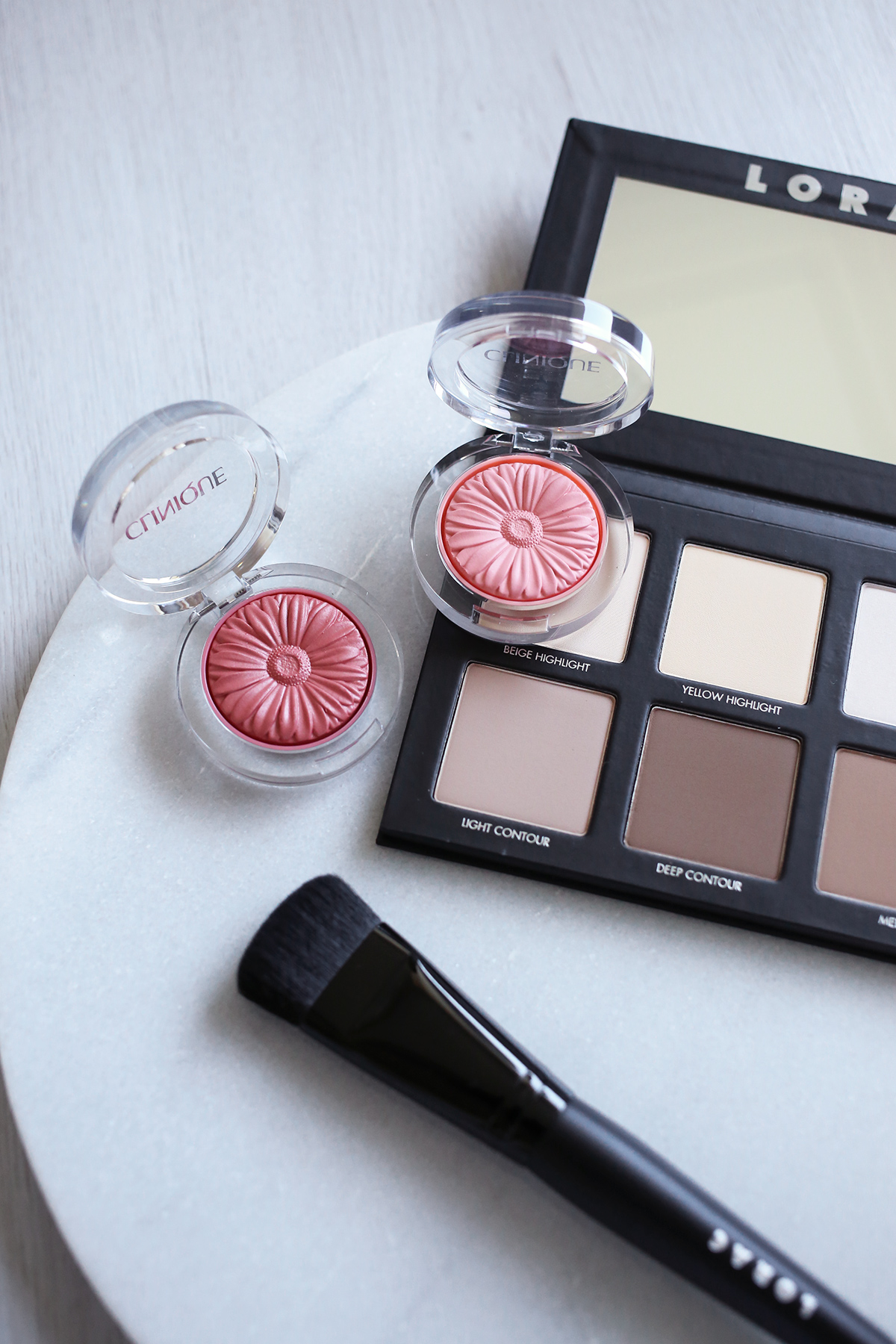
Your feed is flooded. Every influencer touts a “revolutionary” new serum, a “must-have” gadget, or a “game-changing” makeup technique. You scroll, you see glowing skin, impossibly perfect finishes. Then you look at your own bathroom counter, already overflowing with half-used products. It’s expensive, it’s confusing, and honestly, most of it feels like a waste of time and money. How do you know what’s actually worth your attention?
The New Beauty Overload Problem: Stop Guessing
Let’s be direct: most new beauty launches are iterative. They aren’t reinventing the wheel. The industry thrives on novelty, but your skin doesn’t. Your wallet certainly doesn’t. The biggest problem isn’t finding something new; it’s sifting through the noise to find something effective for you. You need a filter. You need to understand what problems these “innovations” actually solve, or if they’re just repackaged versions of what you already own. Don’t buy another product until you know what you’re trying to fix.
Why “New” Doesn’t Mean “Better”
The marketing machine is relentless. Ingredients get buzz. Textures get trendy. “Glass skin” one year, “cloud skin” the next. This constant cycle creates a false sense of urgency. Consumers feel pressured to keep up, believing they’ll be left behind if they don’t try the latest thing. The reality? Basic skincare principles, executed consistently, will always outperform chasing every fleeting trend. A solid cleanser, moisturizer, and SPF beat a cabinet full of hyped-up serums every single time.
Identify Your Core Concerns
Before you even glance at a “new” product, pause. What are your actual skin concerns? Is it acne, dryness, hyperpigmentation, fine lines, or sensitivity? Be specific. If you don’t have a clear target, you’re just throwing money at potential problems you don’t have. Many people jump on anti-aging trends when their primary issue is barrier impairment, making their skin more reactive and less receptive to potent actives. Fix the foundation first. Always.
Skin Barrier First, Always: Your Unnegotiable Priority
This isn’t optional. It’s the first rule of good skin. Your skin barrier is the outermost layer of your epidermis, composed of skin cells (corneocytes) and a lipid matrix (ceramides, cholesterol, fatty acids). Its job is simple: keep good stuff (hydration) in and bad stuff (irritants, pollution, bacteria) out. When your barrier is compromised, everything else goes wrong. You get redness, flaking, sensitivity, and your expensive active ingredients won’t work as intended. They might even make things worse.
Many new beauty trends, particularly those pushing aggressive exfoliation or multiple potent actives, inadvertently damage the barrier. People chase “glow” by stripping their skin, leading to a cycle of irritation and more product use to counteract the damage. It’s a trap. Focus on strengthening this protective layer before anything else. It means gentle cleansing, adequate hydration, and using ingredients that support barrier function.
Recognizing a Compromised Barrier
How do you know if your barrier is struggling? It’s not subtle. Your skin will feel tight, especially after washing. It might look dull or flaky. You’ll experience redness or irritation from products that never bothered you before. That “tingling” sensation you thought meant a product was “working”? Often, it’s just irritation. Pay attention to these signals. Your skin is literally screaming for help. Don’t ignore it. Pull back on all actives, use only bland, soothing products, and let your skin heal for a week or two.
Essential Barrier-Supporting Ingredients
When you need to repair or maintain your skin barrier, certain ingredients are non-negotiable. Ceramides are the lipid “mortar” holding your skin cells together. Look for them in moisturizers. Cholesterol and fatty acids complete this lipid trio. Niacinamide (Vitamin B3) is another powerhouse; it helps improve skin elasticity, reduces redness, and strengthens the barrier. Glycerin and Hyaluronic Acid are humectants that draw moisture into the skin, supporting hydration levels crucial for barrier integrity. Ingredients like colloidal oatmeal or centella asiatica (Cica) can also offer significant soothing benefits during recovery.
Retinoids vs. Peptides: What’s Your Priority?
Two of the most talked-about anti-aging categories right now. Both promise improved skin texture and reduced signs of aging. But they work differently, and your choice depends on your skin’s tolerance and your primary goals. Don’t just use both because you can. Assess what you need.
| Feature | Retinoids (e.g., Tretinoin, Retinol) | Peptides (e.g., Matrixyl, Argireline) |
|---|---|---|
| Primary Mechanism | Increases cell turnover, stimulates collagen production, targets acne. | Signaling molecules that prompt skin to produce collagen/elastin, relax muscles. |
| Potency & Speed | Highly effective, visible results often within months. Can be irritating. | Milder, slower results. Generally non-irritating. |
| Common Concerns Addressed | Fine lines, wrinkles, acne, hyperpigmentation, texture. | Fine lines, wrinkles, firmness, elasticity. |
| Irritation Potential | High, especially at first. Requires careful introduction. | Very low, suitable for sensitive skin. |
| Examples | Tretinoin (prescription), Paula’s Choice Clinical 1% Retinol Treatment, Medik8 Crystal Retinal. | The Ordinary “Buffet” + Copper Peptides 1%, Drunk Elephant Protini Polypeptide Cream. |
When to Pick Retinoids
If you’re serious about tackling significant signs of aging, acne, or sun damage, and your skin can tolerate it, retinoids are the gold standard. Prescription Tretinoin is the most potent and effective form of Vitamin A. Over-the-counter options like retinol and retinaldehyde (e.g., Medik8 Crystal Retinal) offer similar benefits with less irritation. Start slow, use a pea-sized amount, and buffer with moisturizer. Always use SPF religiously.
When Peptides are Your Best Bet
For those with sensitive skin, or if you’re looking for a gentler approach to firmness and elasticity, peptides are excellent. They won’t deliver the dramatic cell turnover of retinoids, but they are fantastic for supporting skin structure without the redness or flaking. Products like The Ordinary “Buffet” + Copper Peptides 1% are a solid entry point. They play well with other ingredients and are generally safe for daily use, even morning and night.
Spot Treatment Innovations: Do They Work?
Pimples happen. The new wave of spot treatments promises faster, less irritating solutions. Are they delivering, or is it just another gimmick?
Are Hydrocolloid Patches a Real Solution for Breakouts?
Yes. Absolutely. Hydrocolloid patches are not new, but their widespread adoption and cute designs (looking at you, Starface Hydro-Stars) have made them a “new in beauty” staple. They absorb fluid from pimples, protect the area from picking, and create a moist healing environment. For whiteheads, they work incredibly well. They flatten pimples overnight and reduce redness significantly. You need these in your arsenal. The COSRX Acne Pimple Master Patch is a classic for a reason.
What About Micro-Darts and Targeted Serums?
Micro-dart patches, which contain tiny dissolvable needles infused with active ingredients like salicylic acid or hyaluronic acid, are designed for deeper, cystic acne. The idea is to deliver actives precisely where they’re needed. Do they work? Sometimes. They can reduce the size and inflammation of an impending breakout, but they’re not a magic bullet for every cyst. For surface-level pimples, a simple hydrocolloid patch is more effective and far cheaper. Targeted serums with salicylic acid (2%) or benzoyl peroxide (2.5-5%) are still highly effective for active breakouts and general acne management, but they can be drying. Use them precisely, not as a blanket treatment.
Hydration Beyond Hyaluronic Acid
Hyaluronic acid (HA) is ubiquitous, and for good reason: it’s a fantastic humectant. But it’s not the only player in the hydration game, and for some, it can even feel a bit tacky or not provide enough deep moisture. Don’t rely solely on one ingredient. There are other effective ways to boost your skin’s water content and keep it there.
- Glycerin: The Unsung Hero: This humectant is often overshadowed by HA, but it’s incredibly effective, usually well-tolerated, and forms the backbone of many excellent moisturizers. It draws water from the air and deeper skin layers, keeping your skin plump. It’s often found paired with other emollients and occlusives for comprehensive hydration.
- Squalane: The Emollient MVP: Derived from olives or sugarcane, squalane is a stable, non-comedogenic oil that mimics your skin’s natural sebum. It’s an excellent emollient, preventing transepidermal water loss without feeling heavy or greasy. It’s particularly good for dry or dehydrated skin, and it doesn’t clog pores.
- Polyglutamic Acid (PGA): The Next-Gen Humectant: PGA is a powerful humectant, reportedly holding four times more moisture than HA. It creates a film on the skin’s surface, locking in hydration and reducing water evaporation. It’s a great option for those who find HA insufficient or want to try something different.
- Urea: The Keratolytic Hydrator: At lower concentrations (2-10%), urea is a brilliant humectant and a natural moisturizing factor (NMF) in the skin. It helps the skin retain water and can even gently exfoliate at higher concentrations. It’s especially beneficial for very dry, rough, or compromised skin.
- Fermented Ingredients: Nurturing the Microbiome: Ingredients like galactomyces ferment filtrate (found in SK-II Facial Treatment Essence) or lactobacillus ferments are gaining traction. They are believed to support the skin’s microbiome, leading to a healthier barrier and better hydration. While direct mechanisms are still being researched, many users report significant improvements in skin clarity and moisture retention.
Navigating SPF Claims and Real-World Protection
SPF is not “new in beauty” but the formulations, textures, and claims constantly evolve. Don’t get distracted by “invisible finish” or “makeup gripping” hype if the core protection isn’t there. The best SPF is the one you actually use, every single day, in sufficient quantity. Forget the marketing fluff; look for the facts.
The biggest issue people face is choosing an SPF that feels good enough to apply liberally. Many new chemical sunscreens offer elegant, non-greasy textures that blend seamlessly, which is a win for compliance. Mineral sunscreens have also come a long way, with micronized zinc oxide and titanium dioxide formulas that minimize the white cast. The “best” sunscreen is useless if it sits in the bottle because you hate the texture.
Beyond the Number: What SPF Really Means
SPF (Sun Protection Factor) primarily measures protection against UVB rays, which cause sunburn. An SPF 30 blocks about 97% of UVB rays, while SPF 50 blocks about 98%. The difference is marginal. The crucial factor is “Broad Spectrum”, which indicates protection against UVA rays (responsible for aging and long-term damage). Always, always choose broad-spectrum. Your daily sunscreen needs to be SPF 30 or higher and broad-spectrum. Anything less is a compromise.
Application is Everything
You need a quarter teaspoon for your face alone. That’s a lot. Most people under-apply, effectively reducing their SPF to a much lower number. Don’t rely on SPF in your makeup. It’s rarely enough, and you won’t apply it evenly or thickly enough for proper protection. Layering is fine, but your dedicated SPF should be applied as the last step in your morning skincare routine, before makeup. Reapply every two hours if you’re outdoors or sweating.
The Only Device You Need (Maybe)
Honestly, you probably don’t need a device. Most of them are overpriced, under-researched, or just plain unnecessary. Save your money.
However, if you’re going to invest in one, a microcurrent device like the NuFACE Mini is worth considering. It uses low-level electrical currents to stimulate facial muscles, providing a temporary “lift” and improving facial contour over time. It’s not magic, and consistency is key. But for a non-invasive option, it delivers noticeable, albeit subtle, results. Everything else? Mostly hype or things best left to professional treatments. Don’t fall for the LED mask craze unless you have hundreds to burn and understand the limited, specific benefits.
The beauty landscape will continue to evolve, throwing new ingredients and gadgets at us. Your best defense? A healthy dose of skepticism, a solid understanding of your own skin, and a commitment to proven, fundamental skincare. Don’t chase the new; chase what works.