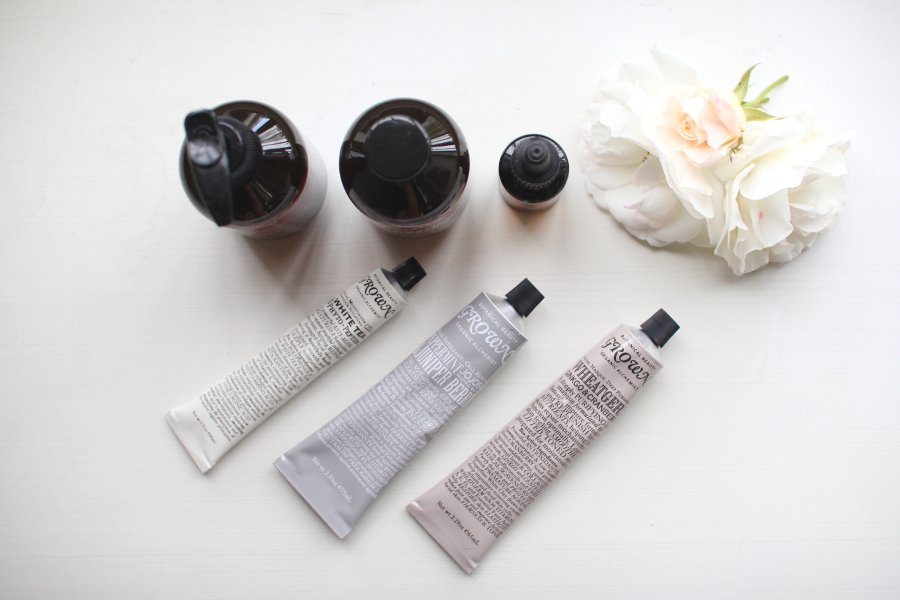
Let’s cut to the chase: Grown Alchemist isn’t revolutionary skincare. It’s good. Sometimes great. But it often trades on a perceived luxury and a minimalist aesthetic more than genuinely groundbreaking formulations. If you’re dropping serious cash, you need to know exactly what you’re getting. And what you’re not.
What Grown Alchemist Actually Is (And Isn’t)
Grown Alchemist markets itself as ‘future-focused biological beauty.’ Sounds impressive, right? It’s really a brand that leans heavily into botanical extracts and clean, minimalist packaging. They want you to think it’s science-backed, natural, and effective. The truth is, many brands do this. Their unique selling proposition often feels more about the experience – the scent, the feel, the bathroom shelf appeal – than raw, unmatched efficacy.
It’s not a medical-grade brand. It’s not going to solve severe dermatological issues overnight. What it is, reliably, is a well-formulated range of personal care products with an emphasis on plant-based ingredients and a certain level of sophistication. This is a brand for people who appreciate aesthetics and a pleasant user experience, and who have a healthy budget for it.
The Core Philosophy
Their philosophy centers on ‘Tri-Hyaluronan Complex’ and ‘cellular renewal.’ These are fancy terms for using hyaluronic acid (often different molecular weights) and ingredients that support skin barrier function and cell turnover. Basic, but effective. They aim to detoxify, activate, and optimize skin function. That’s a good goal. The execution is generally solid, but not exclusive to Grown Alchemist. Many brands, including those at lower price points like The Ordinary or higher ones like Drunk Elephant, target similar outcomes with different ingredient decks.
Brand Positioning vs. Ingredient Focus
Grown Alchemist positions itself in the luxury wellness space, often found in boutique hotels or high-end department stores. This influences perception and pricing. The ingredients themselves are often familiar: potent antioxidants like white tea and cranberry, soothing botanicals like chamomile, and hydrating agents like various forms of hyaluronic acid. They aren’t inventing new molecules. They are, however, often using high-quality versions and formulating them well. Don’t confuse elegant branding with proprietary, secret science. The science is public knowledge, applied elegantly.
Are Grown Alchemist Ingredients Truly Superior?
This is where the rubber meets the road. Are Grown Alchemist’s ingredients superior enough to justify the price? Sometimes. Not always. They prioritize organic-certified ingredients and steer clear of common irritants like parabens, phthalates, and synthetic fragrances. That’s a plus. But “natural” or “botanical” doesn’t automatically mean “better” or “more effective.” Potent plant extracts can still cause reactions. It’s about formulation, concentration, and stability.
The brand does focus on what they call “Bio-Active” ingredients. This means ingredients that interact positively with skin biology. Think peptides, antioxidants, and essential fatty acids. They include things like Age-Repair Serum with peptides and polyphenols, or their Hydra-Restore Cream with camellia oil. These are proven ingredients. The question isn’t whether they work, but whether Grown Alchemist’s specific blend works *better* than competitors for the cost.
Plant-Based Claims vs. Efficacy
Grown Alchemist leans heavily into being plant-based. Fine. Many effective ingredients come from plants. However, the efficacy isn’t solely tied to its botanical origin. It’s about the extraction method, concentration, stability, and delivery system. For example, their Detox Serum s tri-peptides and plant extracts. These are good. But a peptide is a peptide. A stable vitamin C is a stable vitamin C. The source often matters less than the science behind its delivery into the skin.
Key Ingredients and Their Real Impact
They often feature ingredients like Cranberry, White Tea, and Aloe. Cranberry is a powerful antioxidant, good for protecting against environmental damage. White Tea offers similar antioxidant benefits. Aloe is soothing and hydrating. These are all beneficial. However, their Age-Repair Eye Cream, for example, lists active ingredients like Centella asiatica and olive extract. These are known for soothing and antioxidant properties. Good, but not proprietary. The impact is real, but it’s not exclusive to Grown Alchemist.
Formulation Specifics
Grown Alchemist generally formulates without harsh sulfates, silicones, and synthetic fragrances, which is excellent for sensitive skin types. Their textures are often elegant, absorbing well without a greasy residue. The use of different molecular weights of hyaluronic acid in some products, like the Hydra-Gel Mask, can indeed offer multi-level hydration. This isn’t just marketing; it’s smart formulation. They do a solid job here, making the products pleasant to use and generally effective for hydration and barrier support.
Grown Alchemist vs. Aesop: A Direct Comparison
People often pit Grown Alchemist against Aesop. It’s natural. Both are Australian, focus on botanical ingredients, have minimalist packaging, and command a similar price point. But they aren’t identical. Aesop, for one, leans even harder into aromatic experiences, sometimes at the expense of those with fragrance sensitivities. Grown Alchemist is often slightly more focused on measurable skincare benefits, though both deliver on experience.
| Feature | Grown Alchemist | Aesop |
|---|---|---|
| Aesthetic | Modern, minimalist, laboratory-chic. | Apothecary, classic, dark glass. |
| Fragrance Profile | Subtle, often natural, less overpowering. | Distinctive, strong herbal/citrus notes. Can be polarizing. |
| Ingredient Focus | Bio-active, peptides, multi-weight HA, targeted plant extracts. | Potent botanicals, essential oils, vitamins. |
| Product Range | Skincare, body, hair. More emphasis on targeted facial treatments. | Skincare, body, hair, home fragrances. Wider range of home/lifestyle. |
| Sensitivity | Generally better for sensitive skin due to milder scents. | Can be problematic for very sensitive skin due to high essential oil content. |
| Pricing (average) | Mid-high luxury (around $40-$120 per item). | Mid-high luxury (around $35-$150 per item). |
Ingredient Philosophy Differences
Aesop often uses a higher concentration of essential oils for fragrance and their perceived therapeutic benefits. This makes their products smell incredible but can be an irritant. Grown Alchemist, while using botanicals, seems to formulate with a bit more restraint on the fragrance front, prioritizing active ingredients that aren’t primarily for scent. They are both ‘clean’ in their approach, but Aesop’s formulations sometimes feel more like a sensory indulgence first, skincare second. Grown Alchemist feels like it’s trying to be both.
Price Point Realities
Both brands sit firmly in the luxury tier. You’re paying for quality ingredients, sure, but also for branding, packaging, and the overall experience. A Grown Alchemist serum might run you $90, while an Aesop serum could be $110. The value proposition becomes personal. If you adore the Aesop scent and it doesn’t irritate you, it might be worth it. If you want a more straightforward, less heavily fragranced approach with solid active ingredients, Grown Alchemist often wins. Neither is a budget option, so manage expectations on affordability. For similar ingredient decks, brands like The Inkey List or Good Molecules offer solutions at a fraction of the cost, sans the luxury packaging.
Common Grown Alchemist Products: The Straight Verdict
Here’s the breakdown on what works and what’s just… fine. Not everything is a winner, but some products genuinely deliver.
- Detox Serum: Antioxidant+3 Complex: This one is solid. It uses peptides and powerful antioxidants like Cranberry and Licorice. Good for urban dwellers or anyone looking for extra environmental protection. Worth it.
- Age-Repair Serum: Peptide-8 & E-22: Overhyped. While it contains peptides, the visible results often don’t justify the high price point (around $90). You can find more effective, higher concentration peptide serums from brands like Paula’s Choice (e.g., Peptide Booster) for less money.
- Hand Cream: Vanilla & Orange Peel: A cult classic for a reason. It hydrates deeply without greasiness, and the scent is pleasant without being cloying. If you splurge on one thing, make it this. It’s a genuinely excellent product.
- Hydra-Restore Cream: Camellia & Geranium: A good moisturizer, especially for normal to dry skin. It absorbs well and leaves skin feeling soft. Is it ground-breaking? No. It’s a reliable, elegant moisturizer. Good, not amazing.
- Gentle Gel Facial Cleanser: Geranium Leaf, Bergamot, Rose-Bud: This is a decent cleanser. It removes makeup and grime without stripping. However, it’s also around $40. Many gentle cleansers do the same job for less. Think CeraVe Hydrating Cleanser or La Roche-Posay Toleriane Hydrating Gentle Cleanser. Save your money here.
The Top Performers
The Grown Alchemist Hand Cream: Vanilla & Orange Peel is a standout. It’s rich in botanical extracts like rosehip oil and aloe, providing excellent hydration and barrier support. The texture is perfect – not too heavy, not too light – and it truly makes a difference for dry hands, especially when used consistently. The scent is natural and not overwhelming, making it a joy to use daily. Another winner is the Detox Serum: Antioxidant+3 Complex. It’s packed with potent antioxidants that genuinely help protect skin from environmental stressors. For those living in polluted areas, this offers tangible benefits in maintaining skin health and vitality. It’s a smart investment for preventative care.
The Overhyped
The Age-Repair Serum: Peptide-8 & E-22 is probably the most overhyped product. While peptides are beneficial, the specific blend and concentration in this serum don’t always deliver the ‘age-repair’ results some users expect, especially for its premium price tag. You’re better off looking at targeted peptide treatments from brands known for their efficacy and transparency, like The Ordinary’s “Buffet” + Copper Peptides 1% or Drunk Elephant’s Protini Polypeptide Cream. Also, the Gentle Gel Facial Cleanser, while perfectly fine, does not offer anything unique that justifies its cost over many effective drugstore alternatives. It cleanses, but doesn’t excel beyond basic function.
Who Benefits from Grown Alchemist Skincare?
Grown Alchemist isn’t for everyone. Let’s be clear about who actually gets value here.
Is it good for sensitive skin?
Generally, yes. Grown Alchemist avoids many common irritants like harsh sulfates, parabens, and strong synthetic fragrances. Their emphasis on soothing botanicals like chamomile and aloe makes many of their products suitable for easily irritated skin. However, some individuals can react to specific plant extracts or essential oils, even natural ones. Always patch test, especially with new serums or creams. For example, the Calming Gel Cleanser is specifically designed for sensitive skin, using olive leaf and plant extracts to minimize irritation.
What about anti-aging?
Grown Alchemist does offer anti-aging benefits, primarily through its use of antioxidants, peptides, and hydrating ingredients like hyaluronic acid. These components help protect skin from environmental damage, support collagen production, and maintain skin plumpness. Products like the Detox Serum and Hydra-Restore Cream contribute to a healthier, more youthful appearance by addressing oxidative stress and dehydration. However, if you’re looking for aggressive anti-aging treatments with high concentrations of ingredients like pure retinol or strong acids, you might find Grown Alchemist’s approach a bit too gentle. Brands like Dermalogica or Skinceuticals offer more potent, active-heavy anti-aging solutions.
Is it for oily or acne-prone skin?
Some products are suitable, but it’s not their primary focus. Their lighter cleansers and some serums can work for oily skin by providing hydration without heavy occlusives. The Balancing Toner might help refine pores. However, they don’t have many targeted treatments for active breakouts or excessive oil production. If you struggle with persistent acne or very oily skin, brands with dedicated salicylic acid or benzoyl peroxide treatments, such as Paula’s Choice or Murad, would be more effective. Grown Alchemist focuses more on maintaining skin balance and health rather than aggressively treating specific conditions like acne.
The Price Tag: Is Grown Alchemist Worth the Investment?
The short answer is: for some, yes; for most, probably not entirely. You’re buying into a well-curated experience and generally good formulations. But the premium price often reflects branding and packaging as much as unique efficacy. If your budget is flexible and you value the aesthetic and user experience, go for it. If you’re purely chasing results for every dollar, better options exist.
My Final Take: Grown Alchemist in 2026
Grown Alchemist is a solid brand, but it’s not the ultimate answer to all your skincare woes. It excels in creating a luxurious, enjoyable routine with generally good, clean formulations. It’s an accessible entry into high-end botanical skincare. But don’t expect miracles, and certainly don’t feel pressured to buy the entire line. Be discerning. The brand has its strong points, particularly in hydration and antioxidant protection, and for those who appreciate a refined, less aggressive approach to skincare.
When to Buy, When to Skip
Buy: The Hand Cream, absolutely. The Detox Serum for antioxidant benefits, especially if you live in a city. Their body care range is also quite good for a splurge. These products offer tangible benefits and a superior user experience that often justify their cost. They are reliable, pleasant, and effective for their specific functions.
Skip: Most of their cleansers and the more expensive ‘anti-aging’ serums. You can find equally effective or even superior products for cleansing and targeted treatments from other reputable brands like CeraVe, La Roche-Posay, or even The Ordinary, at a fraction of the price. Don’t pay a premium for basic steps unless the sensory experience is your absolute top priority. Invest your money where it truly makes a difference.
Alternatives to Consider
If you like the aesthetic and clean formulations but want to explore other options, look into Biossance for squalane-based hydration and strong active ingredients, or Osea Malibu for a similar focus on organic, ocean-derived botanicals. For a more performance-driven approach with a clean ingredient list, Drunk Elephant is a strong contender. If you’re on a budget but still want effective, well-formulated skincare, brands like The Inkey List and Good Molecules offer excellent ingredient-focused products without the luxury price tag or aesthetic. Don’t limit yourself. There’s a world of great skincare out there.