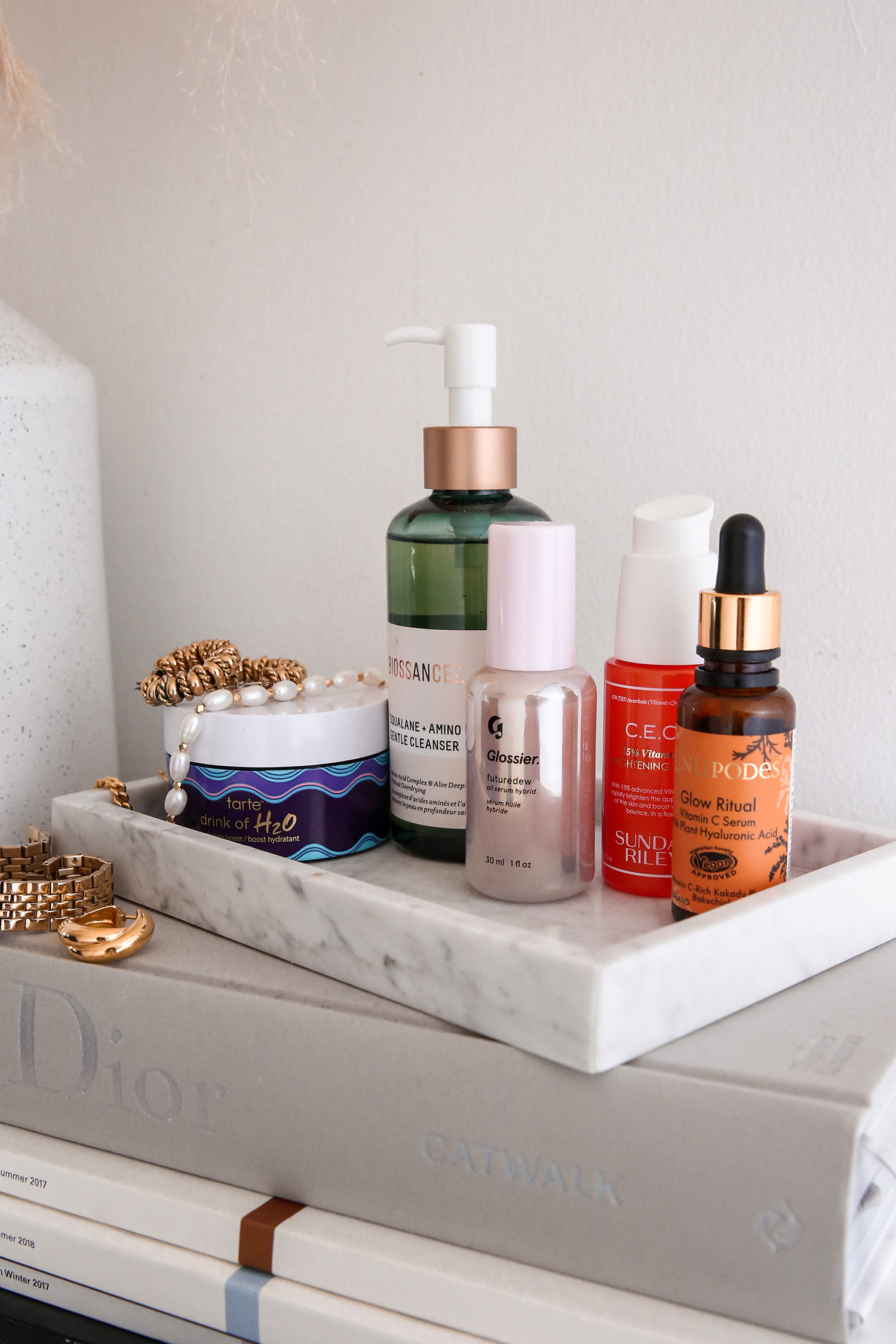
It’s easy to feel overwhelmed by the constant stream of “new in beauty.” Every week brings another must-have serum, a groundbreaking device, or a revolutionary ingredient. The common misconception is that you need to overhaul your entire routine or buy dozens of new things to stay current or achieve better skin. This isn’t true. Many truly effective innovations are about smart upgrades, not complete overhauls. You don’t need to chase every trend. Instead, focus on understanding what genuinely moves the needle for your skin and how to integrate those intelligent choices without breaking the bank or complicating your life.
Simplify Your Routine: The Power of Multi-Tasking Products
Ditch the ten-step routine if it doesn’t serve you. A bold statement, but it’s true for most people. While a layered approach can be beneficial, the idea that more steps automatically lead to better skin is a myth. For many, a simpler, more focused routine with fewer, hard-working products delivers consistent, noticeable results without the commitment or confusion. Multi-tasking products aren’t just about saving time; they often mean fewer potential irritants and a clearer understanding of what your skin is responding to.
Why Simpler Routines Work
When you use too many products, identifying which one is truly benefiting your skin (or causing issues) becomes impossible. A streamlined routine reduces the risk of ingredient overload and potential irritation. It also makes your daily regimen sustainable. Consistency is in skincare. A routine you can stick to, day in and day out, will always outperform a complex one you only follow sporadically.
Think about efficiency. A single product combining hydration, antioxidants, and light protection means fewer applications and less waiting time between steps. This approach minimizes contact with environmental aggressors and supports the skin’s natural barrier more effectively.
Top Multi-Taskers to Consider
Look for products that combine benefits you’d typically get from separate serums or creams. For example, a tinted SPF that also offers antioxidant protection can replace your morning moisturizer, foundation, and sunscreen. Another excellent choice is a night cream that includes gentle exfoliants and hydrating ingredients.
- Tinted Sunscreen with Skincare Benefits: The Tower 28 Beauty SunnyDays SPF 30 Tinted Sunscreen Foundation costs $32. It’s a mineral SPF that also provides light coverage and is formulated for sensitive skin. You get sun protection, a perfected complexion, and a gentle formula all in one step.
- Hydrating Antioxidant Day Cream: REN Clean Skincare Evercalm Global Protection Day Cream, priced at $52, offers hydration, barrier support, and antioxidant defense against environmental stressors. It reduces the need for a separate antioxidant serum and moisturizer.
How to Spot Genuine Innovation
Genuine multi-tasking innovation isn’t just about throwing a bunch of ingredients together. It’s about smart formulations where ingredients work synergistically. Look for products that clearly state their multiple benefits and back them up with key ingredients. Check for non-comedogenic claims if you’re prone to breakouts, and ensure the texture suits your skin type. A good multi-tasker feels comfortable and doesn’t pill when layered (if you do layer it).
Understanding Ingredient Breakthroughs: What’s Actually New?
The beauty industry loves to hype new ingredients. Many are just re-packaged versions of existing ones, but some genuine advancements do emerge. It’s crucial to distinguish between marketing jargon and actual scientific progress. Understanding the science behind these “new” components helps you make informed choices, rather than chasing every fleeting trend.
Peptides Beyond Collagen
Peptides are short chains of amino acids, the building blocks of proteins. They signal skin cells to perform specific functions. While collagen-boosting peptides have been around, newer research focuses on specialized peptides with more targeted actions. For example, some peptides can help relax facial muscles, mimicking the effects of injectables without the needles, like argireline. Others aim to improve skin tone by inhibiting melanin production or enhancing the skin’s natural repair processes post-inflammation. They are not just about boosting collagen anymore; they are becoming more sophisticated in their roles as cellular communicators.
The Rise of Ectoin
Ectoin is a natural osmoprotectant molecule discovered in microorganisms that thrive in extreme environments (like salt lakes and deserts). It protects these organisms from dehydration, radiation, and temperature extremes. When applied to skin, ectoin works similarly. It creates a protective hydration shell around cells and proteins, shielding them from environmental stress (UV, pollution, blue light) and preventing moisture loss. This makes it an excellent ingredient for sensitive, stressed, or dehydrated skin, offering robust barrier support and anti-inflammatory benefits. It’s particularly useful for those living in harsh climates or experiencing skin sensitivities.
Decoding Exosomes
Exosomes are tiny vesicles released by cells, carrying proteins, lipids, and nucleic acids. They act as messengers, facilitating communication between cells. In skincare, exosomes derived from plant stem cells or human stem cells (often ethically sourced from things like umbilical cord lining or fat cells) are gaining attention. The idea is that these exosomes can deliver growth factors and signaling molecules to skin cells, promoting regeneration, repair, and anti-inflammatory responses. While promising, the research is still evolving, and ethical sourcing and stability in topical formulations are key considerations. It’s a complex area, but the potential for targeted cellular repair is significant.
DIY Devices: Are They Worth the Investment?
At-home beauty devices promise professional results from your bathroom. Many deliver. But it’s essential to know which ones offer genuine value and how to use them correctly. These aren’t cheap purchases, so a clear understanding of their benefits and limitations is crucial before committing.
What are the best entry-level LED masks?
LED (Light Emitting Diode) therapy uses specific wavelengths of light to target various skin concerns. Red light typically stimulates collagen production and reduces inflammation, while blue light targets acne-causing bacteria. Green light can help with hyperpigmentation. For a solid entry point, consider masks that offer at least red and blue light. The Dr. Dennis Gross DRx SpectraLite FaceWare Pro, priced at $455, is a well-regarded option. It offers both red and blue light therapy, automatically shutting off after a 3-minute treatment cycle. Consistency is key with LED masks, so choose one you’ll actually use regularly. Expect to use it daily or several times a week for visible results over 4-6 weeks.
Can microcurrent devices deliver real results?
Microcurrent devices use low-level electrical currents to stimulate facial muscles, aiming to tone and lift. They can offer temporary lifting and contouring effects by re-educating muscles and boosting circulation. For lasting results, consistent use is non-negotiable—think 5 minutes a day, 5 days a week, then 2-3 times a week for maintenance. The NuFACE Mini Facial Toning Device, at $209, is a popular choice for beginners. It’s compact and user-friendly. Users often report improved facial contour and a more ‘awake’ appearance. Results are cumulative; don’t expect a facelift overnight.
How to maintain your beauty tech?
Proper maintenance ensures longevity and effectiveness. Always clean your device according to manufacturer instructions. For LED masks, a gentle wipe with a damp cloth (and sometimes alcohol for sanitization) is usually sufficient. For microcurrent devices, ensure the conducting gel is fully removed after each use to prevent residue buildup. Store devices in their protective cases to prevent damage. Charge them regularly to ensure they’re ready when you are. Neglecting maintenance can impact performance and even harbor bacteria, which you definitely don’t want on your face.
The Best SPF Formulations for Every Skin Type
Sun protection is non-negotiable. Yet, many still struggle to find an SPF that feels good and works for their skin. Thankfully, new formulations mean better textures and more specialized options. The best SPF is the one you will wear every single day, without fail.
Chemical vs. Mineral: The Latest Advancements
Chemical sunscreens absorb UV rays and convert them into heat. Newer chemical filters like Tinosorb S and Mexoryl SX/XL offer broader spectrum protection and are more photostable than older generations. Mineral sunscreens (zinc oxide, titanium dioxide) physically block UV rays. Advancements in mineral SPFs focus on micronized or non-nano particles, which reduce the dreaded white cast and improve texture without compromising efficacy. Many brands are now skillfully blending these, often called "hybrid" sunscreens, to achieve the best of both worlds: broad protection with an elegant feel.
Our Top Picks for Oily Skin
Oily skin benefits from lightweight, non-greasy, and often mattifying formulas. Gel textures or fluid lotions are ideal. Look for non-comedogenic labels.
| Product Name | Type | Key Benefit | Price |
|---|---|---|---|
| Isntree Hyaluronic Acid Watery Sun Gel | Chemical | Lightweight, hydrating, no white cast | $20 |
| Supergoop! Unseen Sunscreen SPF 40 | Chemical | Velvety finish, mattifying, doubles as primer | $38 |
For oily sensitive skin, the Isntree Hyaluronic Acid Watery Sun Gel is the best option right now. It absorbs quickly and feels like nothing on the skin, leaving a subtle, healthy glow without added oiliness. The Supergoop! Unseen Sunscreen is excellent if you want a primer-like, blurring effect.
Hydrating Options for Dry Skin
Dry skin needs SPFs that offer moisture alongside protection. Look for formulas with humectants like hyaluronic acid, glycerin, and nourishing emollients. Creamier textures are usually preferred.
| Product Name | Type | Key Benefit | Price |
|---|---|---|---|
| Beauty of Joseon Relief Sun SPF50+ PA++++ | Chemical | Deeply hydrating, dewy finish, no stickiness | $18 |
| Tower 28 Beauty SunnyDays SPF 30 Tinted Sunscreen Foundation | Mineral | Hydrating, light coverage, sensitive skin-friendly | $32 |
For truly dry skin, the Beauty of Joseon Relief Sun SPF50+ PA++++ is a standout. It feels like a rich moisturizer but absorbs beautifully, leaving a hydrated, plump look. If you prefer a mineral option with a touch of coverage, the Tower 28 Beauty tinted sunscreen is a solid choice.
Navigating “Clean” Beauty: What Ingredients to Avoid
The term “clean beauty” is unregulated and often misleading. Instead of focusing on vague marketing, empower yourself by understanding specific ingredients that are often irritants, sensitizers, or simply unnecessary for skin health. Your skin is unique; what bothers one person might not bother another. However, being aware of common culprits allows you to make more informed decisions for your own routine.
Understanding Fragrance and Essential Oils
Fragrance, whether synthetic or derived from natural essential oils, is one of the most common causes of skin irritation and allergic reactions. While they might smell lovely, these volatile compounds can trigger redness, itching, and barrier disruption, especially in sensitive skin types. Essential oils, though natural, contain numerous individual components (like limonene, linalool, geraniol) that are known allergens. It’s often best to avoid products with added fragrance, particularly if you have sensitive, reactive, or compromised skin. Look for products labeled "fragrance-free" or "unscented." Note that "unscented" can sometimes mean masking fragrances are used, so "fragrance-free" is the clearer choice.
Parabens and Phthalates: The Current Stance
Parabens are a class of preservatives used in cosmetics to prevent bacterial and fungal growth. They became controversial due to concerns about potential endocrine disruption, though regulatory bodies largely deem them safe at current usage levels. Phthalates are plasticizers sometimes used in fragrances or as solvents. Similar to parabens, they’ve faced scrutiny over endocrine concerns. Many brands have phased them out due to consumer demand. While the scientific consensus on their harm from cosmetic use is complex and ongoing, if you prefer to avoid them, checking ingredient lists for common parabens (methylparaben, propylparaben, butylparaben) and phthalates is straightforward.
When to Patch Test
Always patch test new products, especially if you have a history of sensitivities or are introducing a product with potent active ingredients. Apply a small amount of the product to an inconspicuous area of your skin, like behind your ear or on your inner forearm. Wait 24-48 hours. Check for any redness, itching, burning, or breakouts. If you experience irritation, do not use the product on your face. This simple step can save you from a full-blown facial reaction.
Quick Fixes: Instant Glow-Ups for Busy Days
Sometimes you need an immediate boost without a multi-step commitment. For those days, targeted products that deliver visible results fast are indispensable. These are your secret weapons for looking fresh and radiant when time is short. Focus on immediate hydration or illumination.
For an instant pick-me-up, use a hydrating sheet mask like the Summer Fridays Jet Lag Mask ($49), which plumps and brightens in minutes. Or, add a few drops of a liquid illuminator, such as the Saie Glowy Super Gel Lightweight Dewy Highlight ($28), to your foundation or directly onto high points of your face for an immediate, healthy sheen.
Future-Proofing Your Routine: Long-Term Skincare Strategies
True beauty upgrades aren’t just about the newest product; they’re about building a sustainable, effective routine that evolves with your skin. This involves understanding your skin’s needs, tracking its responses, and making informed decisions over time. It’s about building a foundation that supports skin health for years to come.
How to Build a Flexible Routine
Your skin’s needs change daily, seasonally, and with age. A rigid routine often fails. Instead, create a flexible framework. Have your core essentials: a gentle cleanser, a targeted treatment (like a vitamin C serum for mornings, a retinol for evenings), a good moisturizer, and SPF. Then, have optional add-ons for specific concerns: a hydrating serum for dry days, a clay mask for oily breakouts, or a soothing balm for irritation. Listen to your skin. If it feels tight, skip the exfoliating step. If it looks dull, add a gentle acid. This adaptability prevents over-treatment and ensures your skin gets exactly what it needs, when it needs it.
Tracking Your Skin’s Progress
Keep a simple skincare journal or use a notes app. Jot down new products you introduce, when you started them, and how your skin reacted each day for the first two weeks. Note changes in texture, redness, breakouts, or hydration levels. This objective data helps you identify what works and what doesn’t. Without tracking, it’s easy to forget which product caused a specific reaction or which one truly improved your complexion. Include external factors like diet, stress, and weather, as these significantly impact skin health.
Investing in Professional Consultations
Even with all the DIY knowledge, a professional consultation can be invaluable. A dermatologist or a licensed aesthetician can provide personalized advice tailored to your specific skin concerns and conditions. They can recommend treatments, ingredients, and routines that you might not discover on your own. Consider it an investment in long-term skin health. A single consultation, often around $150-$250, can save you hundreds of dollars on ineffective products and provide a clear roadmap for your skincare journey. Think of it as getting an expert opinion for major decisions, similar to consulting a financial advisor.
Instead of chasing every fleeting trend, focus on consistency with a few key, effective products. Your skin will thank you.